
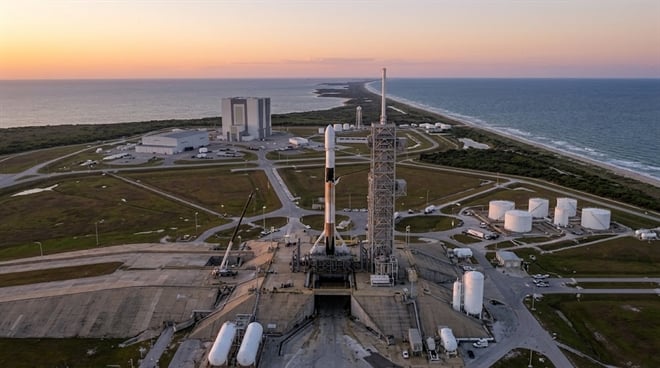
One of the space industry's fastest-growing constraints isn't ambition, funding, or even technology. It's access to orbit. Reliable launch capacity is the bottleneck that is shaping competitive dynamics across the entire sector, and a high-profile mishap this past weekend made that clearer than ever.
On April 19, Blue Origin's New Glenn rocket placed an AST SpaceMobile (NASDAQ: ASTS) BlueBird 7 satellite into a lower-than-planned orbit after one of the upper stage's engines failed to produce sufficient thrust. The satellite, which would have been AST's eighth in orbit, was deemed unrecoverable and will be de-orbited. The FAA has since classified the event as a mishap and grounded the New Glenn fleet pending investigation. For Blue Origin, this is its first major mission failure, and it couldn't come at a worse time. The company is trying to establish New Glenn as a credible alternative for commercial, military, and NASA missions, including lunar landers tied to the Artemis program.














