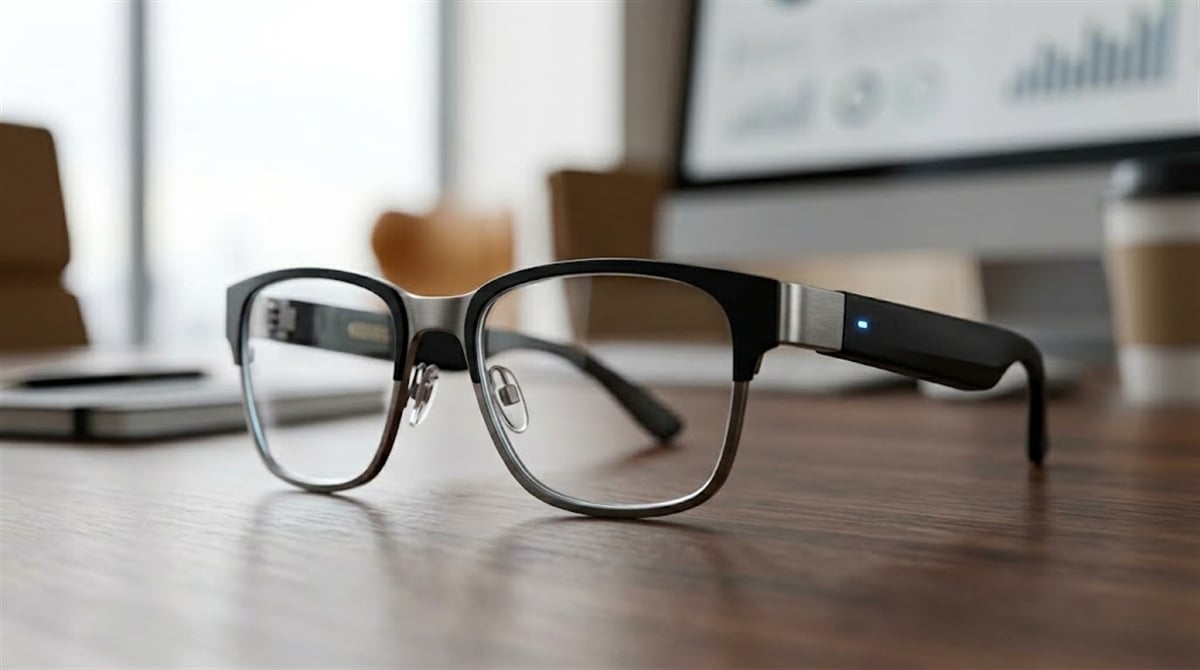
The augmented reality (AR) and virtual reality (VR) adoption curve has hit a structural inflection point, pivoting rapidly from high-friction headsets to mass-market, AI-integrated smart eyewear. Validated by massive commercial traction from early incumbents, the rollout of the Android XR ecosystem signals a highly lucrative hardware supercycle. This shift presents an opportunity for investors, with market data suggesting enormous upside for the hyperscalers and precision manufacturers who capture the optical-electronic convergence, while traditional brands face significant headwinds.
For years, spatial computing was a story of niche, isolating headsets, a market perpetually waiting for its breakthrough moment. That narrative is now obsolete. The catalyst that proved the market has crossed into mainstream adoption came from the partnership between Meta Platforms (NASDAQ: META) and EssilorLuxottica (OTCMKTS: ESLOY). The alliance sold over seven million units of its Ray-Ban AI-integrated frames in 2025 alone, a figure that confirms a robust consumer appetite for ambient, wearable technology that integrates seamlessly into daily life. This commercial success has now forced a competitive response, officially igniting the smart glasses war.