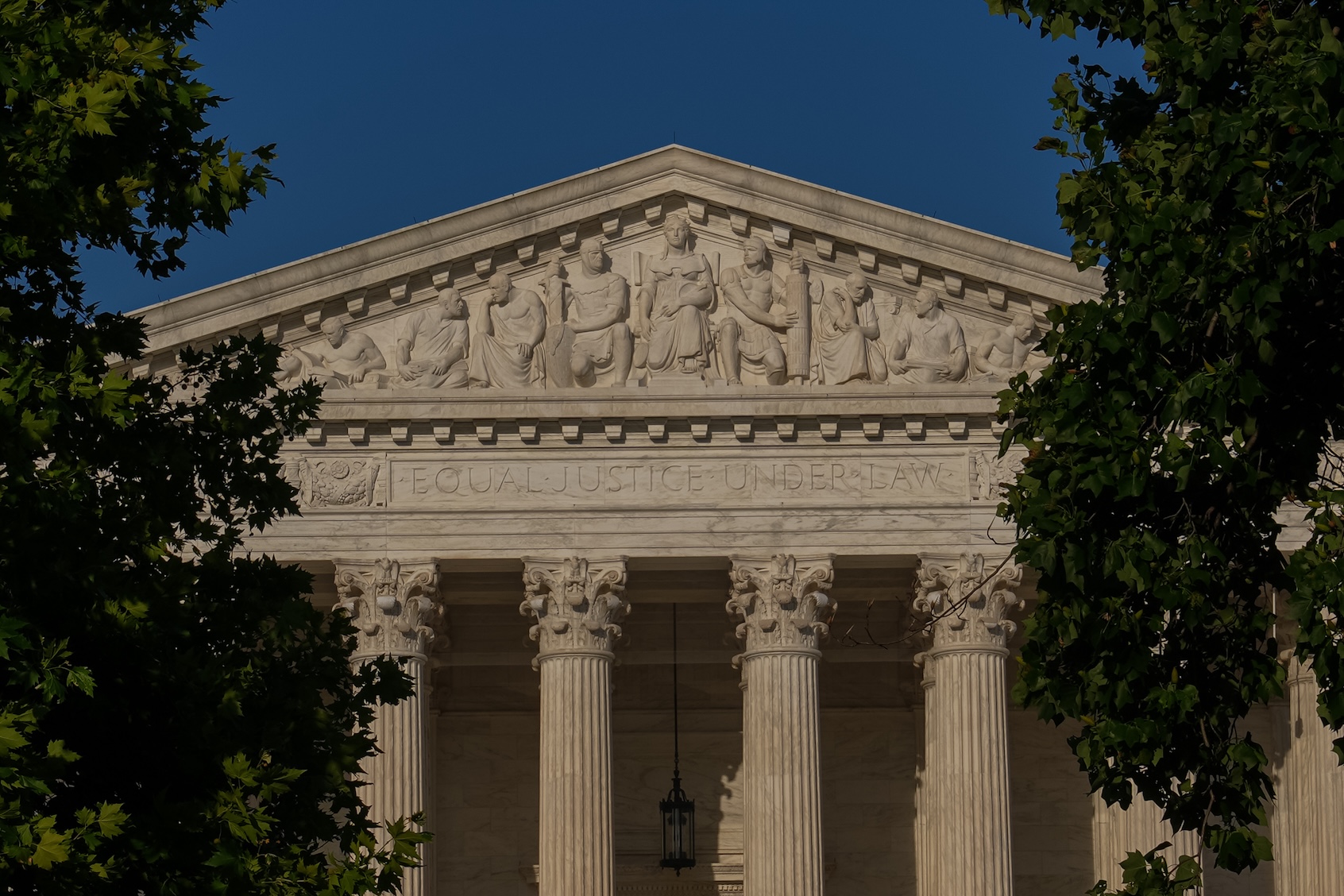
In its term that ended last October, the Supreme Court passed an important milestone that went unnoticed: For the first time, it decided more cases by secret ballot, and with few signed opinions, than it did for cases argued in open court.
These decisions, which make up the court’s “shadow docket,” are a fast-track way to get a decision from the top court. They rarely include arguments, have limited briefings and have expedited timetables, and justices infrequently provide explanation of how they voted or to cite legal precedent.