
How exactly do you know when a track is finished? It’s the one question that we most consistently find ourselves asking artists when speaking to them in interviews. It’s an enquiry borne out of genuine curiosity. When do you walk away and say 'it's done'?
For years we’ve sat on abandoned projects, half-formed demos and ‘nearly-finished’ pieces that we just can’t quite get over the line. In the 2020s, with even greater tinkering options on the table, that anxiety around closing the book on a project has only been heightened.
With the limitless scope and creative possibilities of DAWs, instruments, effects and the perpetual EQ massaging we can apply to our work, stepping away and marking any one track as a finished piece can often make us feel like we’ve jumped the gun.
When it comes down to it, a large fear is that we will feel that niggle upon completion, that perhaps, the difference that would have lifted the track into the big leagues was just about to be landed on…if only we’d worked on it for slightly longer.
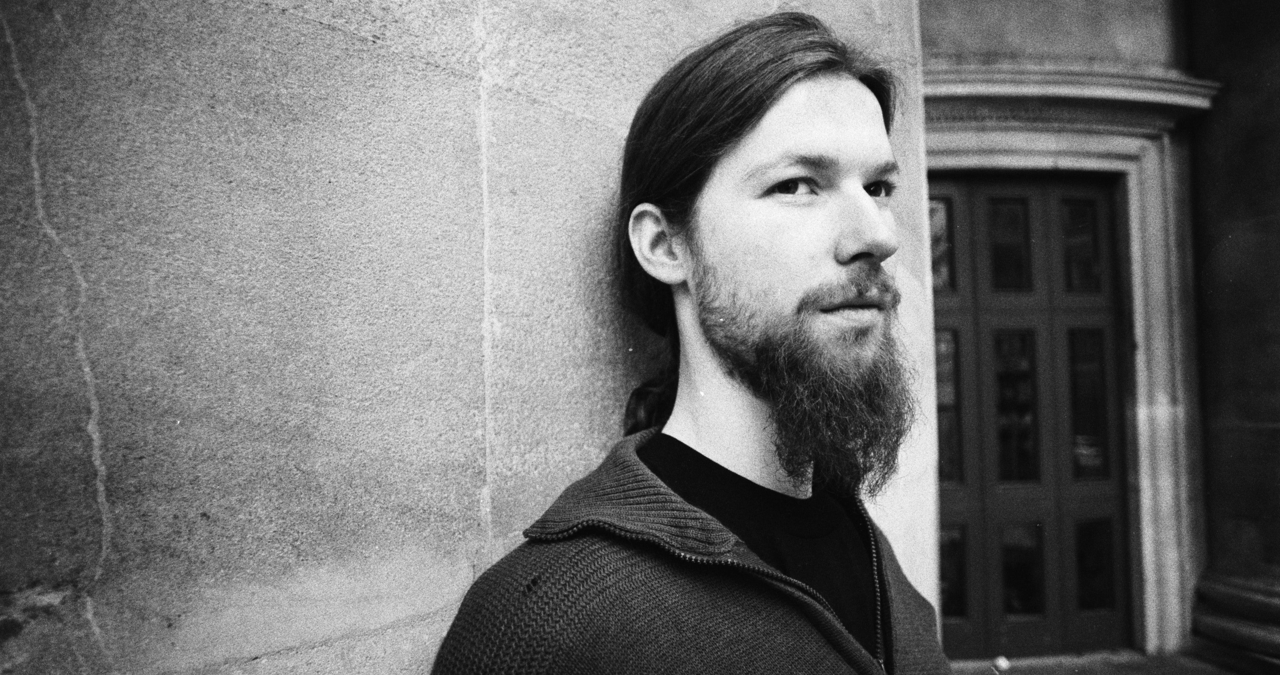
For the uniquely explorative work of Richard D. James - aka, Aphex Twin - this type of completion anxiety was something he was hugely conscious of.
In an interview with French magazine, Les Inrockuptibles in 2001, Richard was asked about the making of his then-new record Drukqs, and how the process of making a more stylistically fluid and sonically-varied double album challenged his process.
“Only two titles are based on instinct, the other twenty-eight have been elaborated, refined, sometimes over two years,” Richard revealed. “The risk is that I never finish a piece: it is always at hand, ready to suffer the effects of my last fad [to] date. I want to push them [the tracks] further, to see how far they can be deformed without tearing” (this translation was assembled by user ‘rekosn’ on the WeAreTheMusicMakers forum).