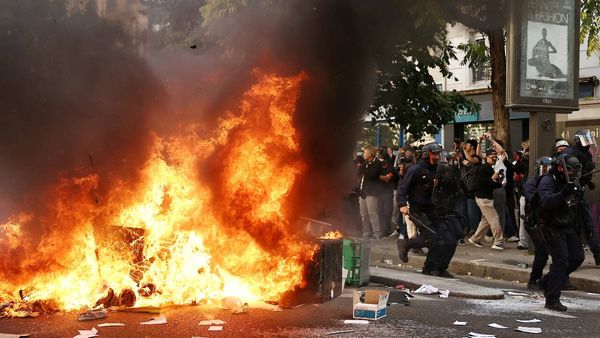

On August 29, the Iraqi Shiite cleric Muqtada al-Sadr announced that he would withdraw from politics after months of failed attempts to form a new government. Thousands of supporters of the nationalist leader, who has emerged as a staunch opponent of Iranian-backed militias in Iraq, surged into the streets in anger, clashing with Iraqi security forces, breaching concrete barriers around Baghdad’s Green Zone, and storming the seat of government. After dozens of people were killed, Sadr went on television and instructed his supporters to go home, easing—for the moment, at least—a political crisis that has paralyzed Iraq’s caretaker government for months.
Iraq’s political system has been deadlocked since last October, when the country held its fifth parliamentary elections since the U.S.-led invasion in 2003. Sadr’s alliance won the most seats, but neither his bloc nor any other has managed to form a government. The conflict has played out not between rival sects or ethnic groups but within Iraq’s largest community, the Shiites, who are divided over their country’s relationship with Iran. The Sadrists, whose leader was once Tehran’s close ally, argue that Baghdad should distance itself from all foreign powers including Iran; other factions remain more closely aligned with Iraq’s powerful neighbor.