The elusive lady caught my eye from across the cul-de-sac on the street of my childhood home, her brilliant orange-and-black wings fluttering. The monarch butterfly sailed through the breeze, searching for a spot to land amid the manicured green lawns of North Texas suburbia. This fuzzy memory and others like it were a cornerstone of my youth. In nearly all, I was playing outside with siblings, neighbors, and friends, gallivanting barefoot while dodging acorns scattered across the concrete. Whenever I caught a glimpse of those wings, they entranced me.
The monarch has been treasured across North America—even before colonizers arrived or named the continent after one of their own. Some Indigenous communities in Mexico have long believed that the monarch carries the souls of their loved ones to the land of the dead. On the north side of the Río Bravo, Texas honors the monarch as its official insect. For many in the United States, the butterfly’s cross-continent migration has transformed it into a symbol for immigration reform. To supporters of immigrants’ rights, it represents a possibility for a new paradigm, a world in which traversing borders is not fatal but natural.
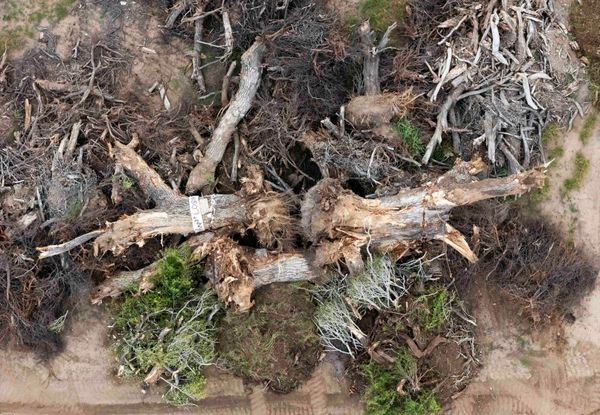
Despite humans holding the insect in high regard, the monarch’s iconic journey is at risk. It faces threats at various points along its migratory route: sprawl in the Dallas-Fort Worth Metroplex that has contributed to the destruction of the blackland prairie, the use of pesticides in agriculture in the Rio Grande Valley, and in Mexico, illegal logging and deforestation at the hands of organized crime operatives. And everywhere the butterfly goes, climate change imperils its environment.