
Get all your news in one place.
100's of premium titles.
One app.
Start reading
Tom’s Hardware
Tom’s Hardware
Technology
Mark Tyson

The PC age began 45 years ago with the breakthrough Intel 8088 processor — 8-bit bus fueled 45 years of x86 dominance

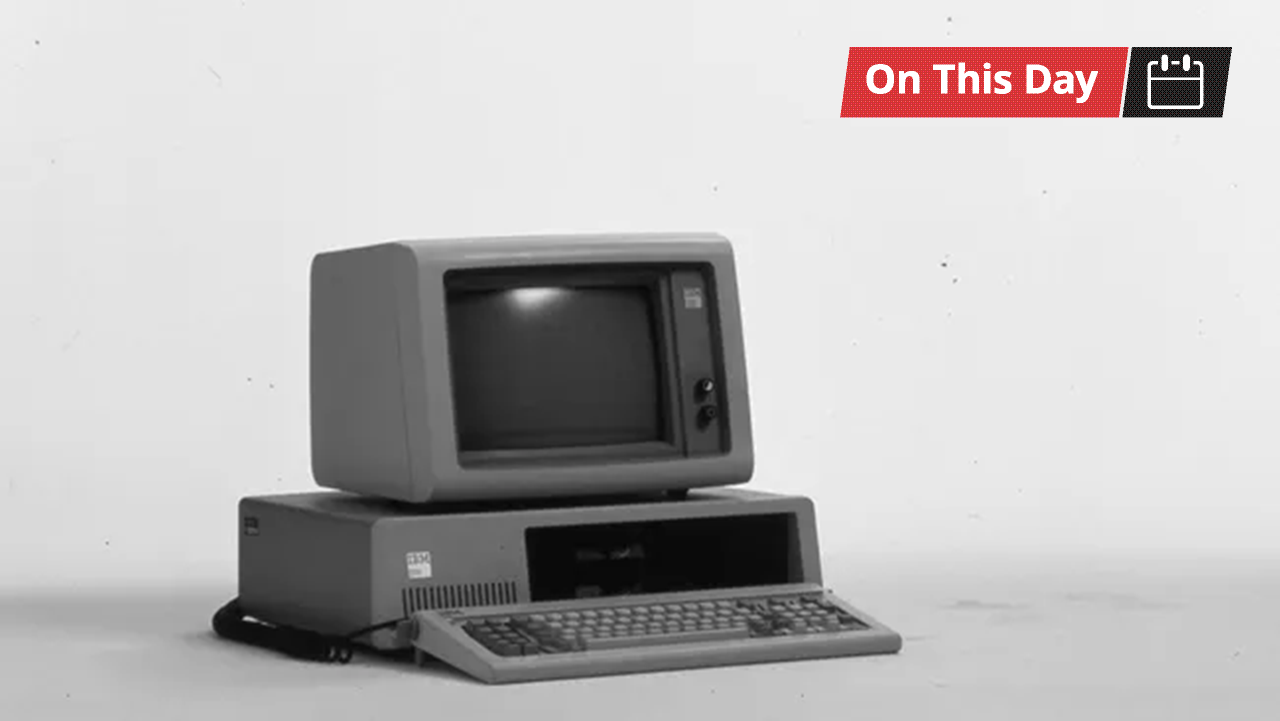
Intel 8088 and the first IBM PC.

45 years ago, in August 1981, the PC age began in earnest with the launch of the IBM PC Model 5150. At its heart was the Intel 8088 microprocessor, a cheaper sibling of the processor that pioneered the x86 architecture, the famed Intel 8086. Intel’s new affordability-targeted processor, its IBM PC design win, and Big Blue’s decision to allow the making of PC clones would kickstart four and a half decades of PC compatibles dominating personal computing.

It is interesting to read about why sales engineer Earl Whetstone managed to return to Intel with a signed and sealed deal for supplying the Intel 8088 (June 1979), while the superior 8086 (June 1978) was overlooked. In a nutshell, it is the economics that won it for the Intel 8088.

Bits and busses

Intel’s influential Intel 8086 delivered the first x86 architecture chip and had a 16-bit internal architecture, with a matching 16-bit external data bus. Meanwhile, the 8088, introduced a year later, took that design and sliced the external data bus width in half, to 8-bit. This would make the newer 8088 slower, probably just into double digits, all else being equal. However, the 8088 was cheaper and also allowed IBM to pick up common 1980s-era components to configure the Model 5150, which also boosted system affordability.

Meanwhile, software written for the 8086, an ecosystem developed in the few years between the introduction of the first x86 architecture chip, would be central to IBM’s plans for the Model 5150 being realized. By 1981, there were versions of DOS for x86 ready, and the creators of key third-party software like WordPerfect, Lotus 1-2-3, dBase, and a host of other early suites and tools were developing for x86. This helped the IBM PC Model 5150 become a hit product out of the gate.

There have been over a dozen x86 processor manufacturers

Commenting on this important date for Intel, IBM, and the birth of the PC industry as we know it, analyst Patrick Moorhead tweeted about the diverse canon of x86 processor manufacturers over the years. In addition to Intel and AMD, most computer history buffs will be familiar with Cyrix x86, and perhaps even efforts from IBM, NEC, and NexGen. However, Moorhead reminds us that NEC also made x86 chips, as have Texas Instruments, IDT (Centaur Technology), Rise Technology, SGS-Thomson, and Transmeta.

Moorhead’s dozen wasn’t even a fully complete list. Others on social media pointed out that the following firms may have (if memory serves correctly) produced x86 chips at some point: ALi/ULi, Harris, Fujitsu, and Zhaoxin.

Into the AI-computing era

On its IBM partnership giving birth to the PC age, Intel concluded its anniversary message by saying “We look forward to continuing that teamwork for another 45 years and beyond.”

However, we note that Intel also talks about building on the legacy of the original PC into the AI-computing age. Ironically, it is the AI boom that has caused many people to be priced out of new PCs, new components, and/or upgrades in the last few months.

Sign up to read this article
Read news from 100's of titles, curated specifically for you.
Already a member? Sign in here
Related Stories
Top stories on inkl right now
One subscription that gives you access to news from hundreds of sites
Already a member? Sign in here
Our Picks
Fourteen days free
Download the app
One app. One membership.
100+ trusted global sources.