
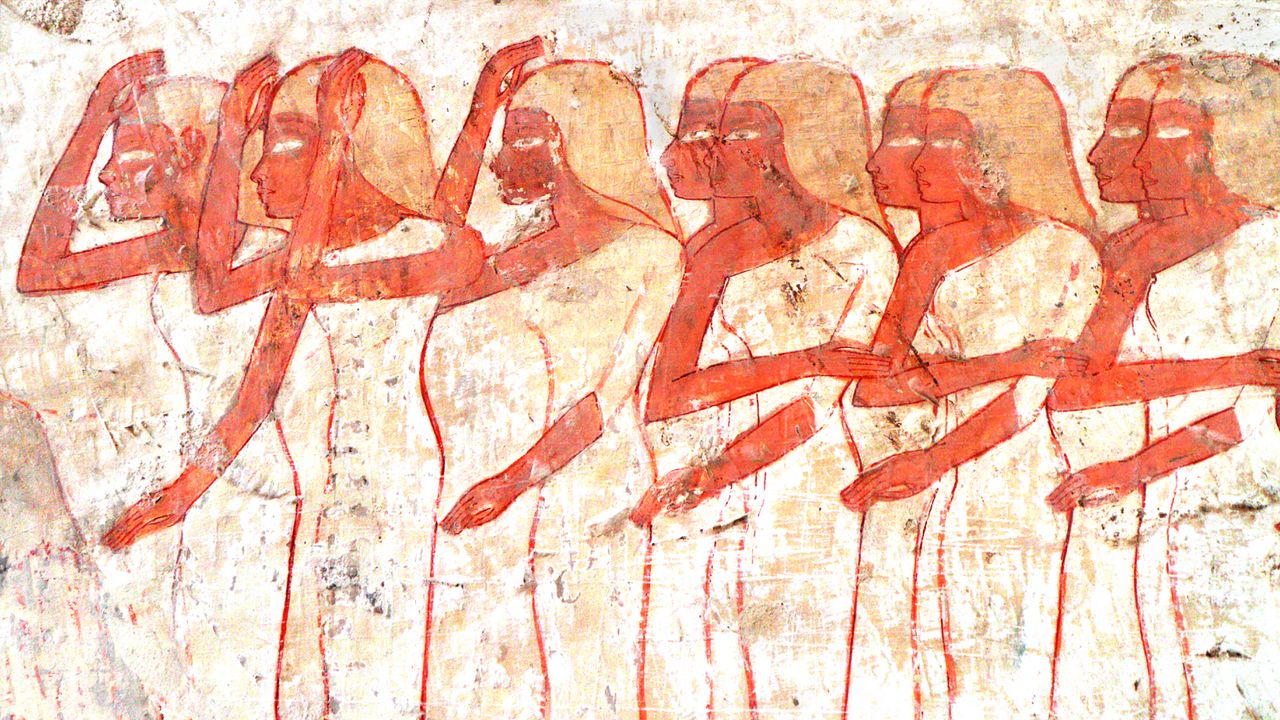
As humans evolved, our heads got bigger and walking upright narrowed the birth canal — a difficult and dangerous combination that means, in most cases, we need assistance in giving birth, from emotional support to intervention, as well as medical support for life-threatening conditions such as high blood pressure, uterine rupture and postpartum hemorrhage. Before written records, we see depictions of pregnancy and fertility, but little is known of how pregnancy and childbirth were viewed and treated.
In this excerpt from "Born: A History of Childbirth" (Pegasus Books, 2025), author and historian Lucy Inglis reveals records from ancient Egypt that show how female physicians treated issues of "the womb," how men reacted to periods, and how the first known pregnancy test actually worked.












