Get all your news in one place.
100’s of premium titles.
One app.
Start reading
The Independent UK
The Independent UK
Harry Bullmore

The overlooked vegetable packed with nutrients for reducing inflammation and improving heart health

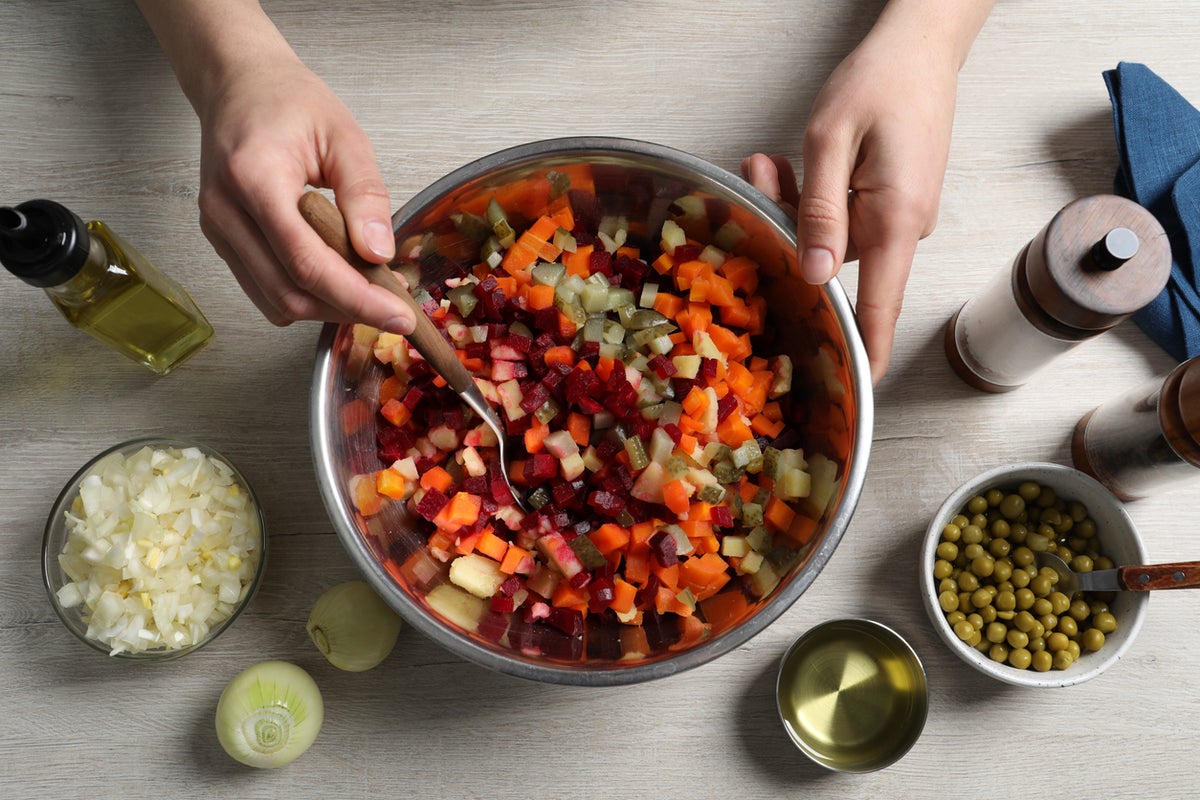
Beetroot is often overlooked in the supermarket aisle, but it offers plenty of health perks - (Getty/iStock)

“An apple a day keeps the doctor away,” or so the saying goes. But there is another nutrient-dense food worthy of a spot in your weekly shop: beetroot.

This root vegetable comes packed with vitamins, minerals and compounds that can support heart and gut health, reduce inflammation and improve energy levels.

Research has also suggested beetroot juice may be linked to reduced blood pressure, but more larger-scale studies are needed in this area to solidify these findings.

Below, we dive into the science and speak to experts to find out why you might consider adding this often overlooked vegetable into your diet.

It’s packed with essential nutrients

Beetroot is rich in essential micronutrients and dietary compounds that can help your body feel and function better.

Dr Richard Allison, a clinical dietitian and nutritionist at Herbalife, talks through them below.

  • “Dietary fibre promotes better gut health.” This is an area where the vast majority of Brits are currently falling short of the government guidelines of 30g per day for adults.
  • “Inorganic nitrates are converted into nitric oxide in the body, which helps blood vessels relax. This can lower blood pressure, improve blood flow to the brain and support long-term heart health.”
  • “Betalains – the pigments that give beets their colour – act as antioxidants, helping reduce stress and inflammation in the body, and lowering risk of certain chronic conditions.”
  • “Folate, or vitamin B9, supports DNA synthesis, red blood cell formation and consequently heart health.”
  • “Manganese is an essential trace mineral for metabolism and bone health, also helping protect cells from damage.”
  • “Potassium is an electrolyte important for fluid balance.”
  • “Vitamin C is an antioxidant that aids immune function.”
  • “Iron and magnesium help transport oxygen, support nerve and muscle function and prevent fatigue.”

It has an appealing nutritional profile

Beetroot (and vegetables in general) can be helpful for weight management because it has a low calorie density. In other words, you can eat a lot more of it while consuming fewer calories.

You could eat 100 grams of boiled beetroot and enjoy 2g of filling fibre alongside roughly 45 calories. Whereas an alternative snack, such as crisps, would likely deliver a little over 500 calories per 100g.

Beetroot’s unmistakable purple hue also plays into fermentation expert Dr Johnny Drain’s golden rule for gut health: eat your CAP, or a colourful array of plant-based foods.

“Basically, eat anything that’s within the rainbow, then also add in things that are brown and black and white,” he tells me. “Obviously green is important, things like leaves, and red things like red cabbage and berries too. But it also extends all the way down to things like coffee and cocoa, which has an incredible amount of prebiotic ingredients.

“That’s the stuff the gut microbes need to be fed in order to do their thing [such as aiding digestion and boosting the immune system].”

Read more: Doctor recommends this simple three-ingredient recipe for supporting gut health and strengthening muscles

Drinking beetroot juice has been associated with lower blood pressure (Alamy/PA)

It can improve sports performance

Studies suggest beetroot can have additional benefits for athletes, as well as keen recreational exercisers.

A 2025 systematic review of existing evidence concluded that “proper beetroot juice supplementation improves muscular strength in professional athletes and aerobic endurance in non-athletes”.

“Moreover, appropriate supplementation of beetroot juice can improve the lactate tolerance in healthy adults,” it adds.

This is seconded by Dr Allison, who has worked as the head of performance nutrition with several top-level sports teams.

“Beetroot is especially popular with runners, cyclists, and team-sport athletes,” he says. “Studies show it can speed up recovery, improve endurance by helping muscles use oxygen more efficiently, and enhance high-intensity performance in intermittent sports like football and rugby.

“Beetroot can also provide cardiovascular support through lowering exercise-induced blood pressure spikes and contributing to an overall reduction in blood pressure.”

If these perks interest you, he recommends drinking up to 250ml of beetroot juice, two to three hours before exercise, as in juice form, “it delivers more concentrated nitrates”.

How much beetroot should you eat each week?

“For everyday health, eating one or two medium beets a few times a week is plenty,” Dr Allison says.

Consuming it in juice form is the fastest way to boost nitrate levels, which can be handy around exercise, while eating it “raw or grated in salads keeps more nutrients intact”, he adds.

“Try to avoid over-boiled or pickled beets, as this reduces their beneficial compounds.”

Read more: Eat these two foods weekly to improve gut health and reduce tummy troubles, nutrition expert says

Sign up to read this article
Read news from 100’s of titles, curated specifically for you.
Already a member? Sign in here
Related Stories
Top stories on inkl right now
One subscription that gives you access to news from hundreds of sites
Already a member? Sign in here
Our Picks
Fourteen days free
Download the app
One app. One membership.
100+ trusted global sources.