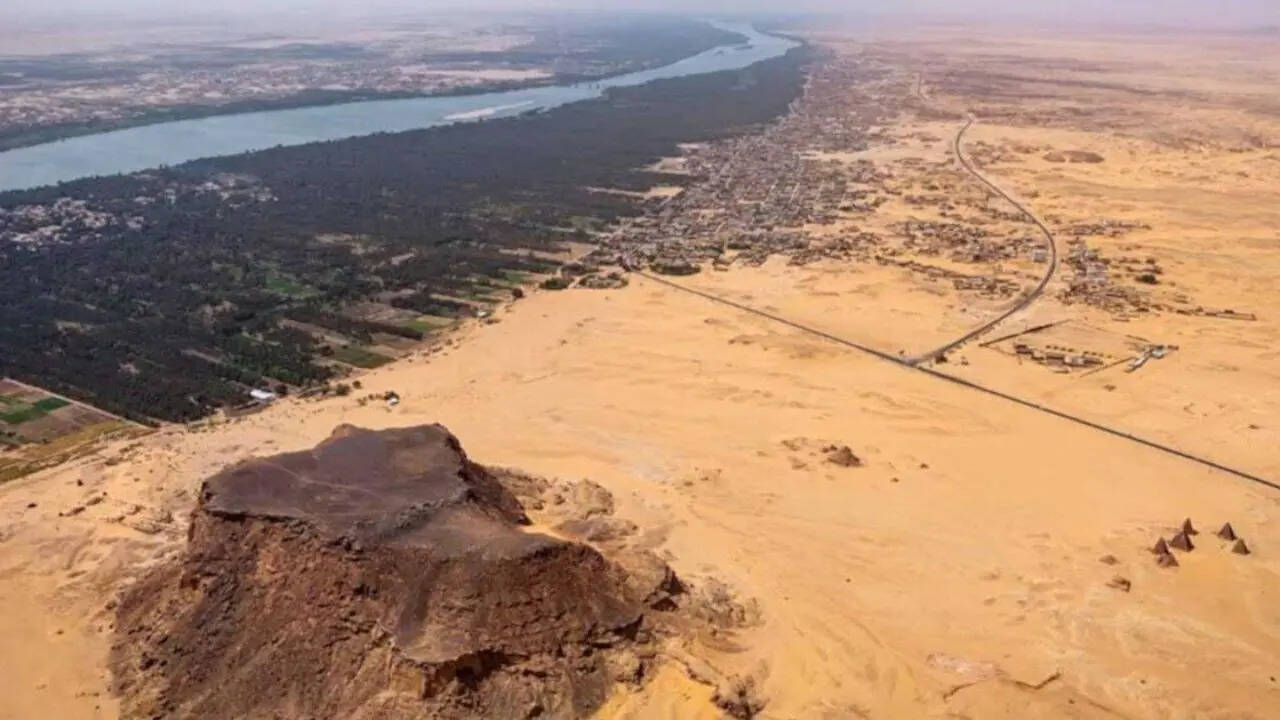
For a city that stood at the heart of an ancient African empire, Napata has long carried an unusual silence around it. Ruins remain scattered beneath the shadow of sandstone cliffs in modern-day Sudan, and the Nile still bends through the same dry landscape it crossed thousands of years ago. Yet archaeologists have spent decades trying to understand why this particular place endured while many settlements faded or fractured over time. The answer, it now appears, may have had less to do with kings or armies and more to do with the river itself. Beneath layers of clay and silt, researchers say the Nile quietly shaped a stable world that allowed one of Nubia’s most important cities to survive for centuries.