
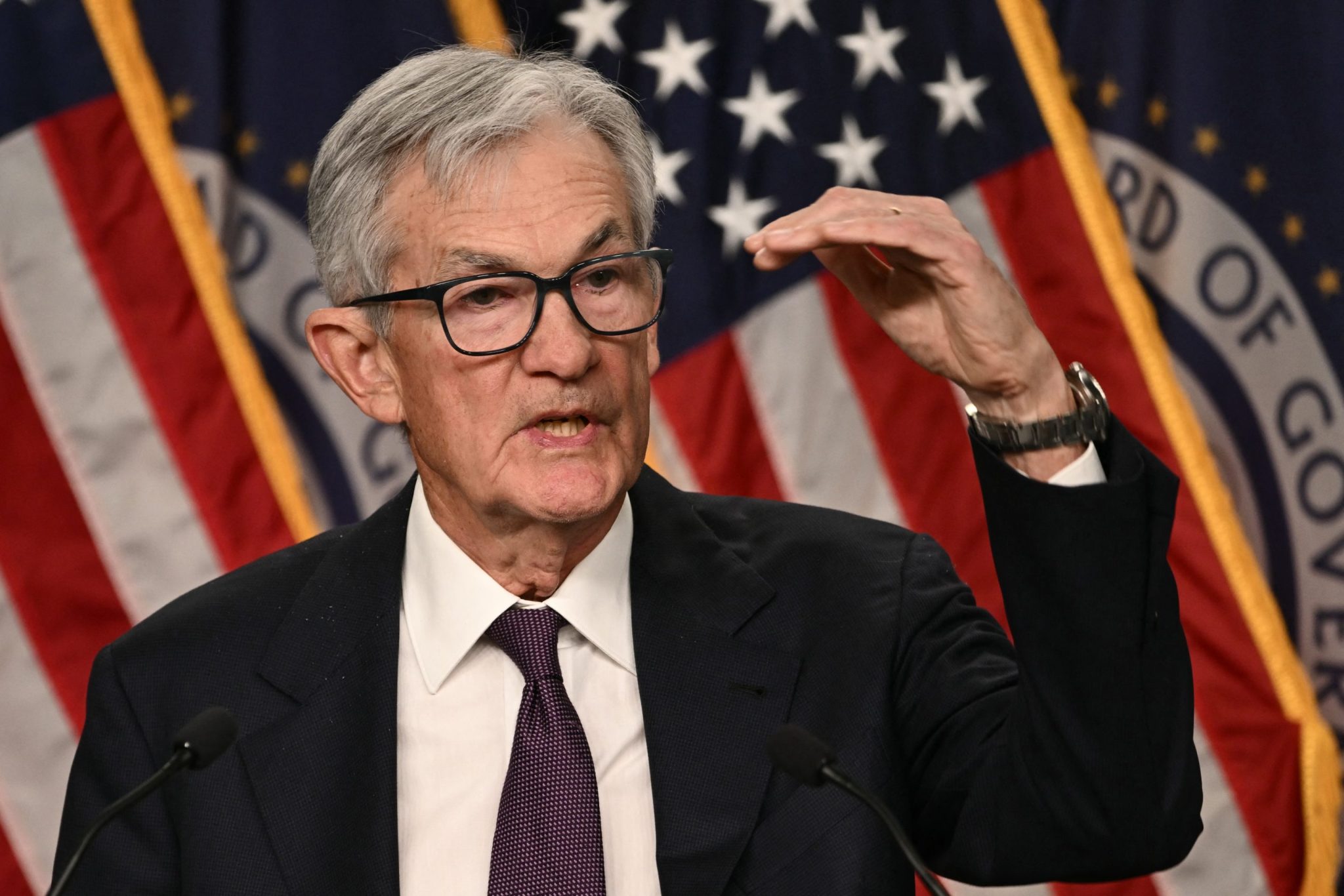
Until a couple of weeks ago, Wall Street had convinced itself that the Fed’s monetary policy path was heading downward: They expected the base interest rate to continue to “normalize” from its pandemic highs, certainly notching lower than 3.5% to 3.75%, where it stands at today.
Even before President Trump launched military action in Iran, that consensus was being challenged. Inflation is still stubbornly above its 2% target, and while the jobs sector is weak, it has not been alarming enough to spur significant action from the rate-setting Federal Open Market Committee (FOMC).
With the chaos in the Middle East showing little signs of rapid de-escalation, the needle on whether the Fed will manage even a single cut this year has wavered. Some economists are now of the opinion that the next move by the FOMC will be a hike.
The conflict in the Middle East has a significant impact on the Fed’s mandate because it affects a range of factors for businesses and consumers alike. Most importantly, it increases oil prices because of disruption to supply from the region: Prices at gas station pumps are already rising above $4 a gallon, the most visible pass-through of rising barrel prices to the day-to-day consumer.
Economists and analysts had generally hoped that the conflict would end in a matter of weeks. However, it seems the Oval Office may have bitten off more than it can chew: In the past few days alone, Israel launched strikes on Iranian oil fields, with Tehran launching attacks against Qatar as a result.













