
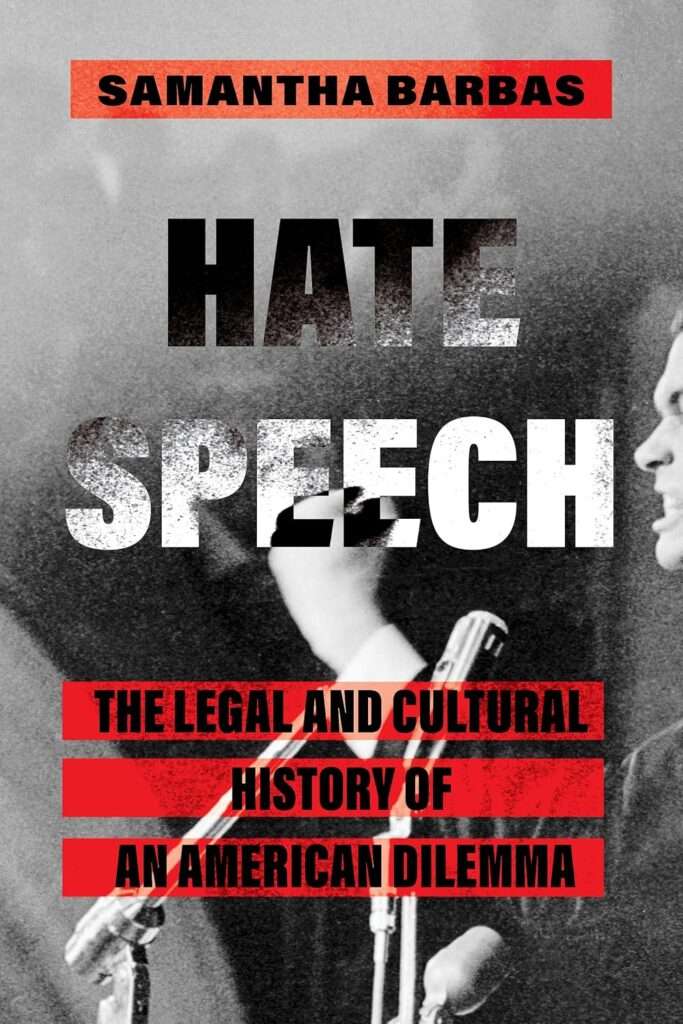
In the mid-1960s, the idea of legal restrictions on hate speech was one whose time seemed to have come and gone. Yet only a decade later, the public's interest in hate speech laws surged.
This renewed interest can be attributed, in part, to changing attitudes toward freedom of speech. By the 1970s, many Americans had come to believe that freedom of speech had not secured the just and humane society that liberals of the 1960s envisioned. The 1970s saw economic hardship and what President Jimmy Carter famously described as national "malaise." Pornography proliferated, crime wracked the nation, and racism continued to flourish. Waning confidence in freedom of speech coincided with an unexpected series of events that produced one of American history's most important dialogues on freedom of speech and hate speech.




