
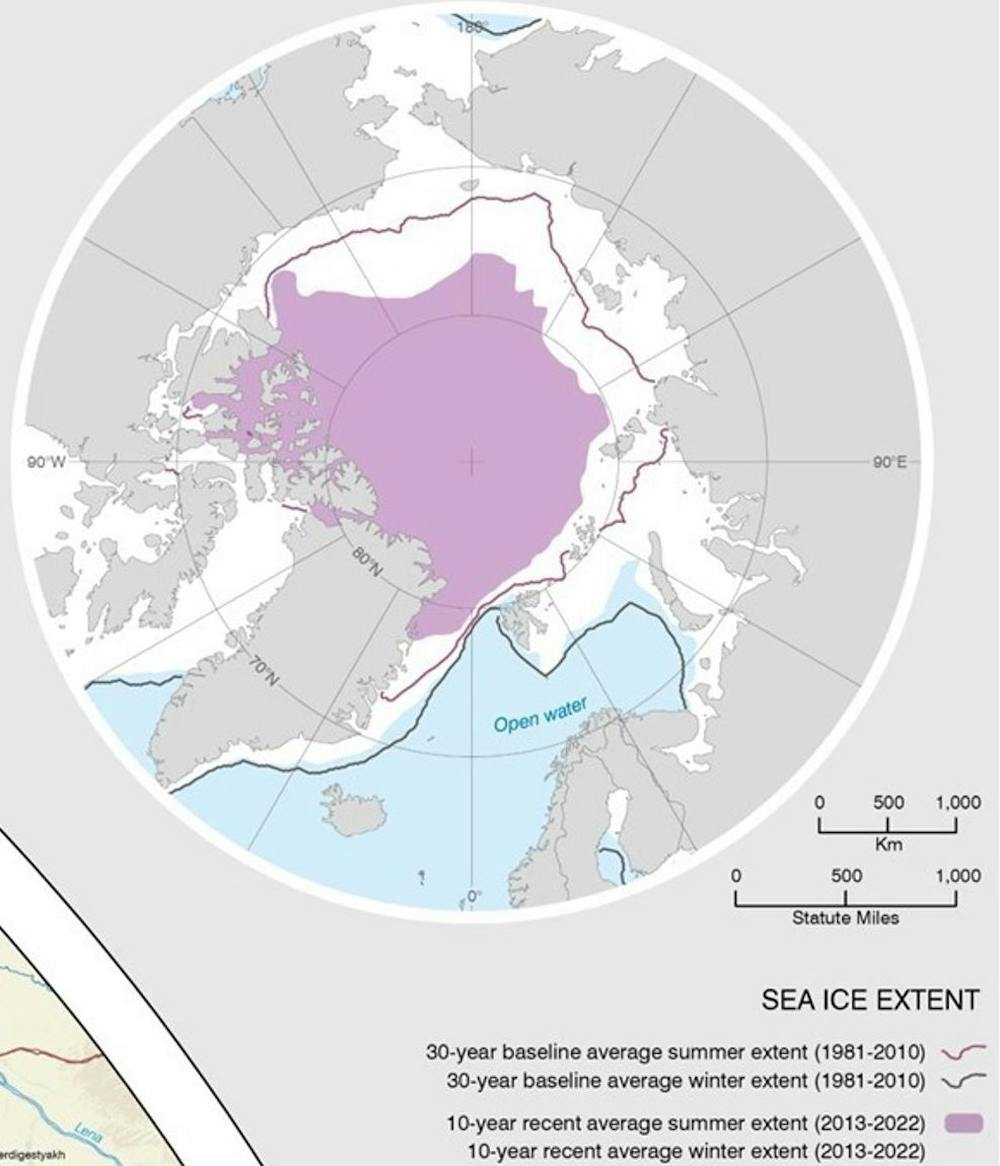
The Arctic’s climate is warming at least four times faster than the global average, causing irrevocable changes to this vast landscape and precarious ecosystem – from the anticipated extinction of polar bears to the appearance of killer whales in ever-greater numbers. A new study suggests the Arctic Ocean could be ice-free in summer as soon as the 2030s – around a decade earlier than previously predicted.
But to properly understand the pace and force of what’s to come, we should instead focus on organisms too small to be seen with the naked eye. These single-celled microbes are both the watchkeepers and arch-agitators of the Arctic’s demise.














