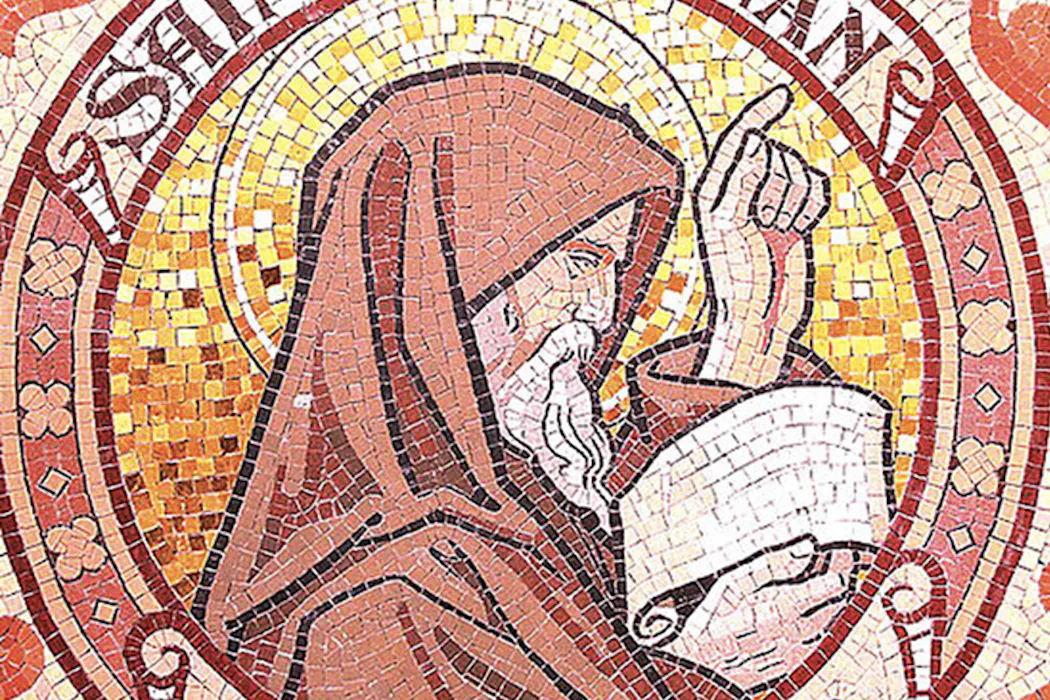
The Geneva conventions, which were signed in August 1949 in the aftermath of the horrors of the second world war, are generally accepted as the gold standard of international humanitarian law. They set the rules for the treatment of both combatants and civilians during wartime. But they were preceded by more than 12 centuries by a law drawn up by a monk amid the violence of seventh-century Ireland.
Adomnán, the Abbott of Iona, the great Columban island monastery off the western Scottish coast, was a man of many talents. Noted for his biography of St Columba, he was a scholar, teacher, mentor, poet, calendarist and negotiator. He was also known for his efforts to obtain legal guarantees from Pictish, British and Irish kings granting protection from violence to women, children, clerics and others, especially in wartime.