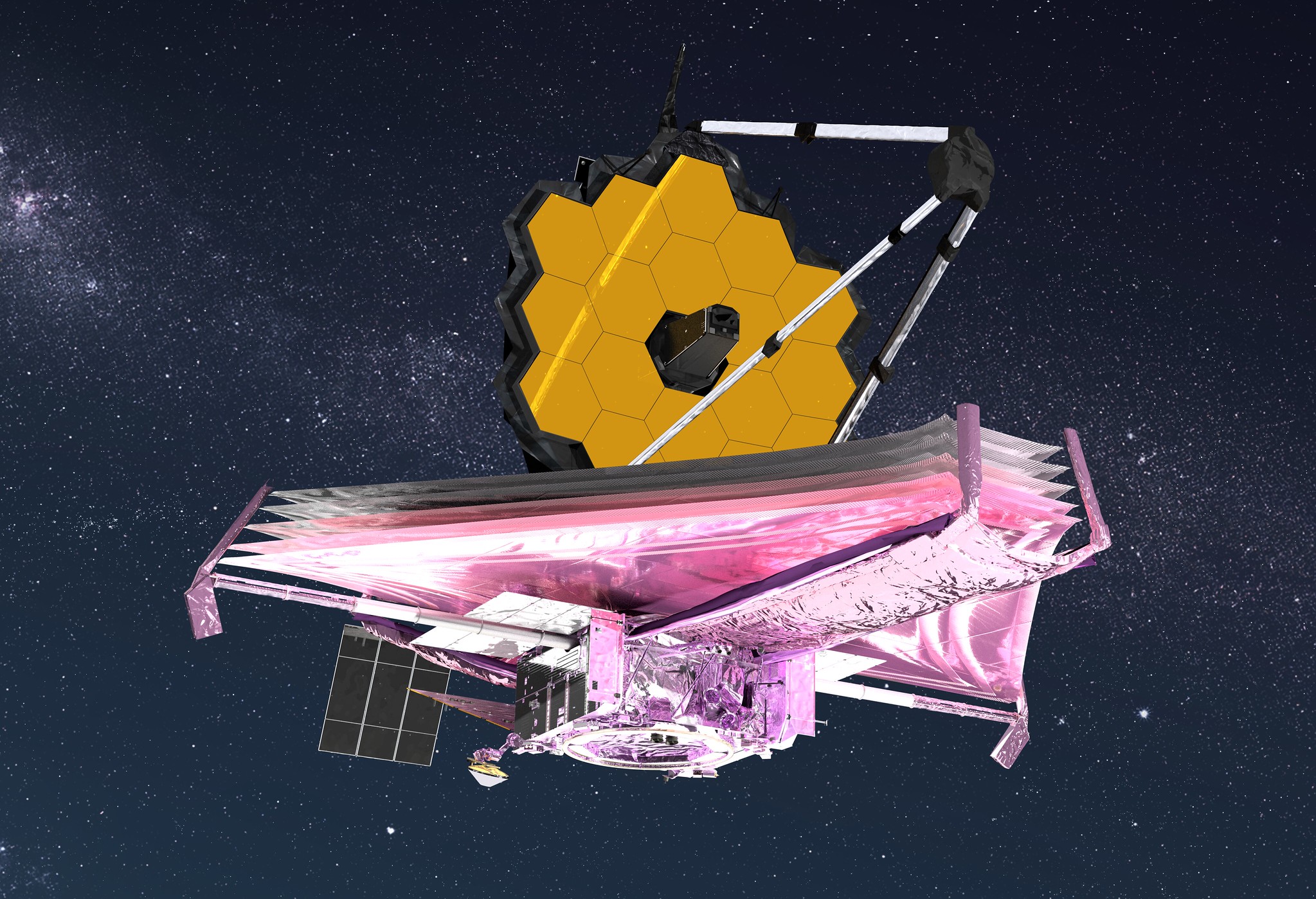
In science, it’s often said that the data doesn’t care what you think. That is especially true when it comes to sophisticated new tools like the James Webb Space Telescope (JWST). So it hasn’t been a shock that some of the data from the JWST isn't quite what scientists expected.
In the 2024 Isaac Asimov Memorial Debate, astrophysicist and science communicator Neil DeGrasse Tyson moderated a discussion at the National Museum of Natural History in New York. The conversation was between scientists and surrounded the topic of how data from the telescope may be shifting our fundamental understanding of our universe. From discrepancies in the age of the universe to the unexpected brightness of early galaxies, the James Webb Space Telescope has already prompted scientists to reconsider how the early universe once operated, leading to revelations that could trigger major shifts in our models of the universe during the next decade or more of the JWST’s tenure.