
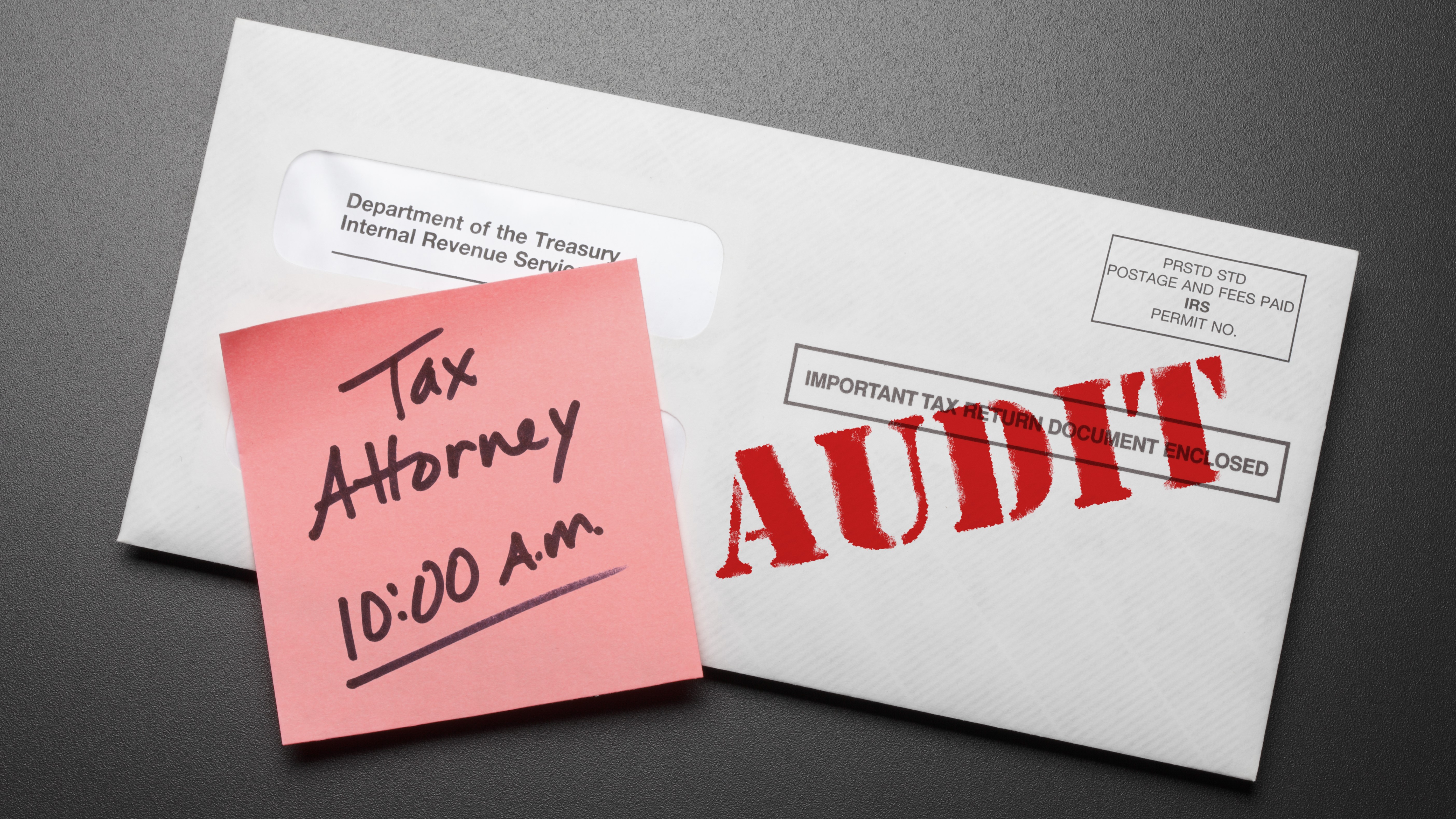
The IRS has many enforcement priorities, in part due to the funding windfall that was promised in 2022. The Inflation Reduction Act granted the IRS $80 billion over 10 years to be used for enforcement, collection and improving taxpayer service. This extra money was in addition to the IRS's annual funding. However, Congress has clawed back 25% of the windfall and is looking to cut IRS funding even further.
Improving partnership tax compliance is on the list of the IRS's enforcement priorities. Over the past several years, partnership audits by IRS revenue agents have been dismal. The agency's audit rate for partnership returns has hovered around 0.1% or less, with about half of these examinations resulting in no change to taxes at the partnership level. The IRS audit statistics for very large partnerships with $100 million or more in total assets and 100 or more partners are even more abysmal. According to a report by the nonpartisan Government Accountability Office, there were 20,052 of these large partnerships in 2019, and the IRS audited only 54. From 2010 to 2018, 80% of the IRS's audits of large partnerships were no-change exams.