
Get all your news in one place.
100's of premium titles.
One app.
Start reading
The Conversation
The Conversation
Politics
Irene Zempi, Senior Lecturer in Criminology, Nottingham Trent University

The hijab is not a symbol of gender oppression – but those who choose to wear it risk Islamophobia

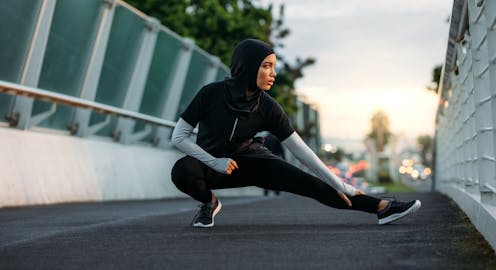
Covering is a matter of personal choice, faith and, for many women, freedom. Jacob Lund | Shutterstock

In a recent New York Times podcast on the alleged “Trojan Horse” Islamisation of schools in Birmingham, England, a Muslim woman who worked in one of the schools under discussion relays what happened when she started wearing the hijab. She had just got married and non-Muslim colleagues interpreted her head covering as a sign that her new husband was controlling her, that she was oppressed.

In reality, as she explains to the podcasts’ hosts, she had not previously worn the hijab because she was afraid of exactly this: people’s biased reactions to it. She only started to cover when she felt more confident that the school was a safe place where she could be herself without fear of Islamophobic repercussions.

Sign up to read this article
Read news from 100's of titles, curated specifically for you.
Already a member? Sign in here
Related Stories
Top stories on inkl right now
One subscription that gives you access to news from hundreds of sites
Already a member? Sign in here
Our Picks
Fourteen days free
Download the app
One app. One membership.
100+ trusted global sources.







