
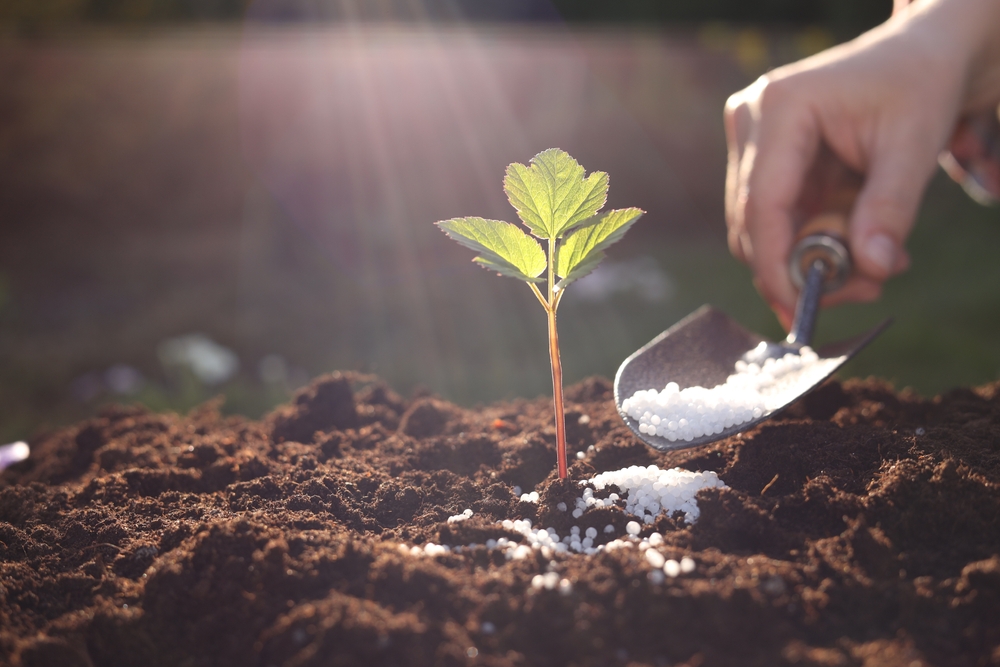
Imagine standing in the grocery aisle, staring at the price tag on tomatoes, and wondering why simple food keeps getting more expensive. The connection between world conflict and dinner plates feels distant at first, yet the chain reaction starts far away across oceans and farmland. Modern agriculture depends heavily on fertilizers that help soil produce bigger, healthier harvests, and when fertilizer supply falters, food production slows down across many regions.
Global fertilizer trade relies on a few major exporters, including Russia and Ukraine, which together supply large shares of nitrogen, potash, and phosphate materials used worldwide. When military conflict disrupted trade routes and production facilities around the Black Sea region, fertilizer shipments dropped, and farmers in many importing nations felt the squeeze. Some governments and agricultural buyers scrambled to find alternative suppliers, but switching sources takes time, contracts, and transportation networks that do not magically appear overnight.