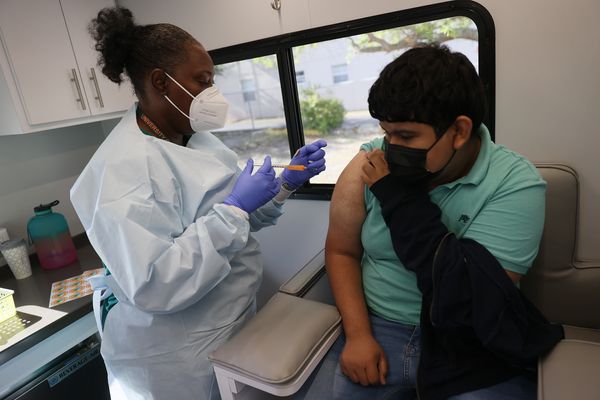
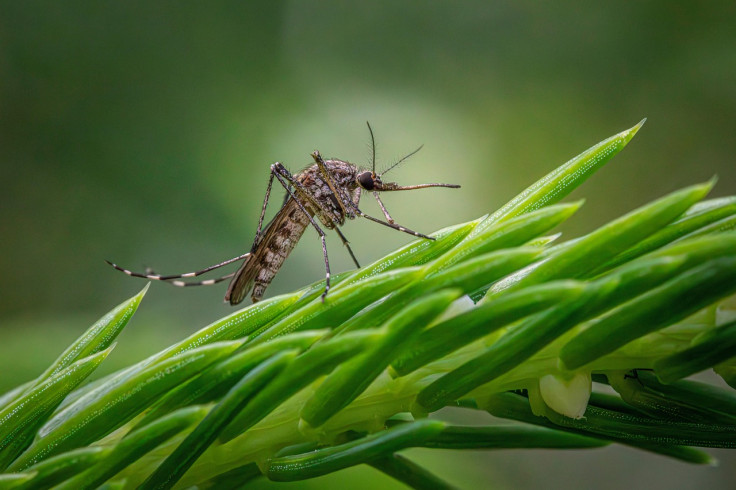
Mosquitoes, ticks, climate shifts, and vector-borne diseases are increasingly linked as global temperatures rise. Scientists are documenting how warming conditions are changing where these vectors live, how long they stay active, and how efficiently they spread disease. As climate change health risks grow, these shifts are reshaping patterns of infectious disease worldwide.