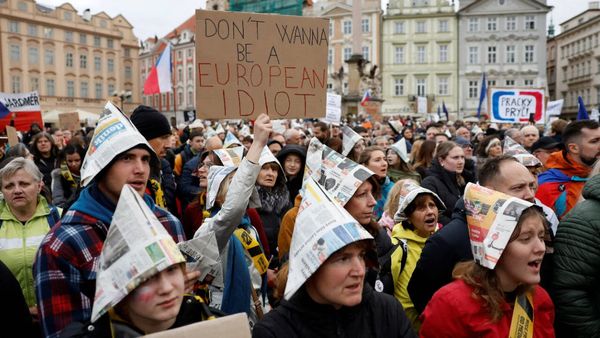
In the age of TikTok, teen depression, and information overload, parents and lawmakers have increasingly turned to K-12 schools to teach students how to navigate our media environment. Eighteen states have legislated media literacy standards for schools, with New Jersey among the most recent to join the movement. But given our nation's actual literacy problems, lawmakers are naive to imagine that another public school program will improve students' ability to traverse media misinformation.
Proponents say media literacy education gives students the ability to analyze and evaluate the media they consume. Most would likely see no problem with teaching students internet etiquette and proper online research practices. But media literacy advocates don't stop there—they actively design curricula to inculcate students with progressive ideology, using their position as arbiters of "reliable sources" to turn students against alternative viewpoints.