Get all your news in one place.
100's of premium titles.
One app.
Start reading
The Conversation
The Conversation
Jeffrey Scholes, Professor of Religious Studies, University of Colorado Colorado Springs

The French baron who revived the Olympics believed they were more than sport – they were a religion of perfection and peace

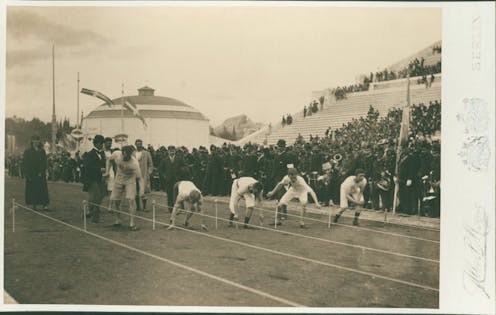
Athletes line up for a 100-meter race at the 1896 Olympic Games in Athens. Fine Art Images/Heritage Images/Getty Images

Pierre de Coubertin, founder of the modern Olympics, always envisioned the Games as much more than the sum of their parts. “Olympism,” as he coined it, was a new type of religion – one shorn of gods, yet transcendent all the same.

To Coubertin, honing an athlete’s body and mind for peak performance in a competition was a way of “realizing perfection.” And if the competition were nation vs. the world, held in varied host cities every four years, individual interest would be subordinated to national pride and a global synergy. Coubertin called this sport in the service of global harmony – nothing short of a new “religio athletae,” or “religion of athletics.”

Sign up to read this article
Read news from 100's of titles, curated specifically for you.
Already a member? Sign in here
Related Stories
Top stories on inkl right now
One subscription that gives you access to news from hundreds of sites
Already a member? Sign in here
Our Picks
Fourteen days free
Download the app
One app. One membership.
100+ trusted global sources.