Most people believe that the oldest surviving photo of a sitting US president is the portrait of President James K Polk (1795-1849), captured by photographer Matthew Brady (1822-1896) at the White House on February 14 1849, near the end of Polk's term.
But what if I told you that another image of the same president was taken three years earlier by a largely forgotten Welsh immigrant, John Plumbe Jr?

Plumbe (1809-1857), a Welsh-born US citizen, started professional life as a civil engineer before moving into photography. In 1840, he came across the work of an itinerant daguerreotypist in Washington, DC, inspiring him to learn the emerging craft.
By the following year, Plumbe had opened his first photography studio in Boston. Eventually, this grew into a massive enterprise of more than a dozen portrait and daguerreian galleries across major US cities, earning Plumbe the nickname "the American Daguerre”.
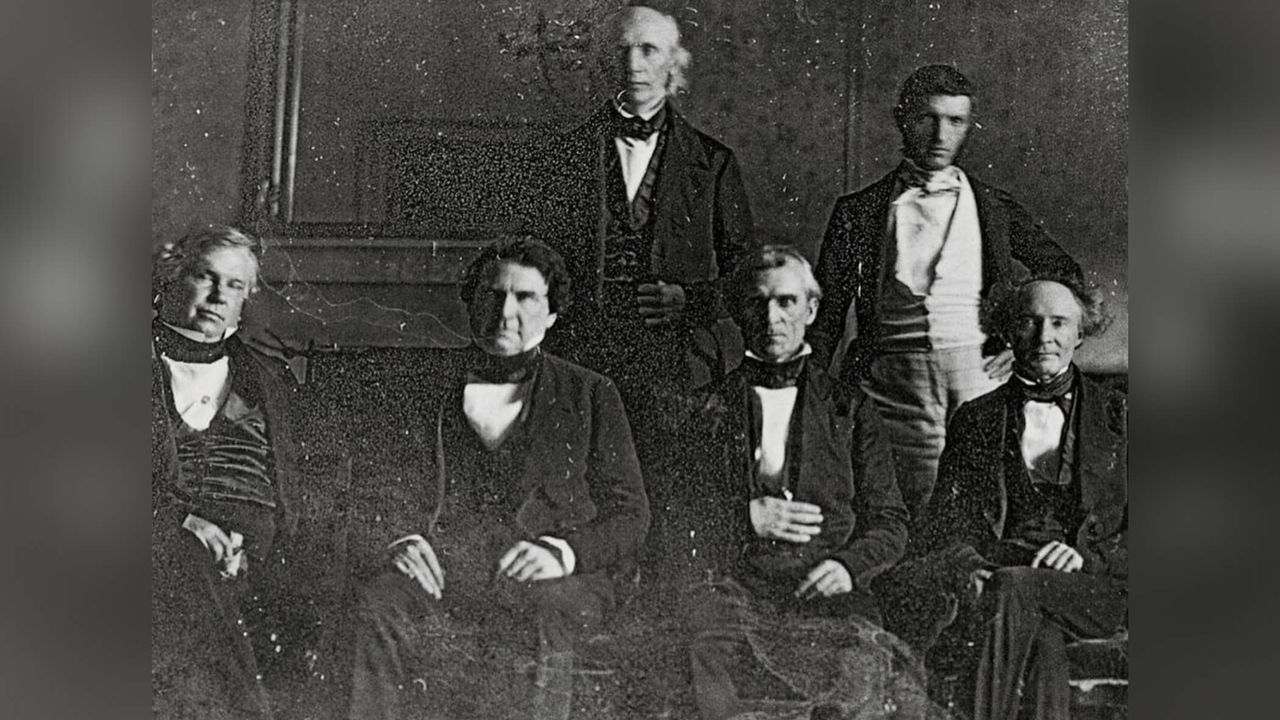
In 1846, Plumbe captured the image that has come to define his photographic legacy: a group photo of President James K Polk and his cabinet shortly after the declaration of war on Mexico. The frame, now recognized as the oldest surviving photograph of a sitting US president, is also the earliest photographic record of the White House interior.
Over the years, Plumbe has gained wider recognition for his history-defining image. But something many photographers still don't know is that he pioneered a commercial practice used by professional studios to this day.
Plumbe is thought to have been the first photographer to brand the daguerreotypes produced through his various studios with his own name, regardless of which photographer actually made them.
Several notable early photographers and daguerreotypists trained, worked or honed their skills in Plumbe's galleries. These included William Shew (1820-1903), Samuel Masury (1818-1874) and Plumbe's brother, Richard Plumbe, who managed the Dubuque, Iowa, gallery.
But by marking all images with the name "Plumbe”, the pioneering photographer ensured that the brand he created became more recognizable than the individual photographer.
Historians will remember the president, but Plumbe's 1846 image of James K Polk also captures the rise of photography as a commercial industry. Plumbe wasn't merely documenting a moment in history; he was building a photography brand years before anyone else.
You might also like…
Here's our expert pick of the best cameras for portraits. Don't worry, there are no daguerreotype cameras in this list. I've read about these selling at auction for nearly a million!