
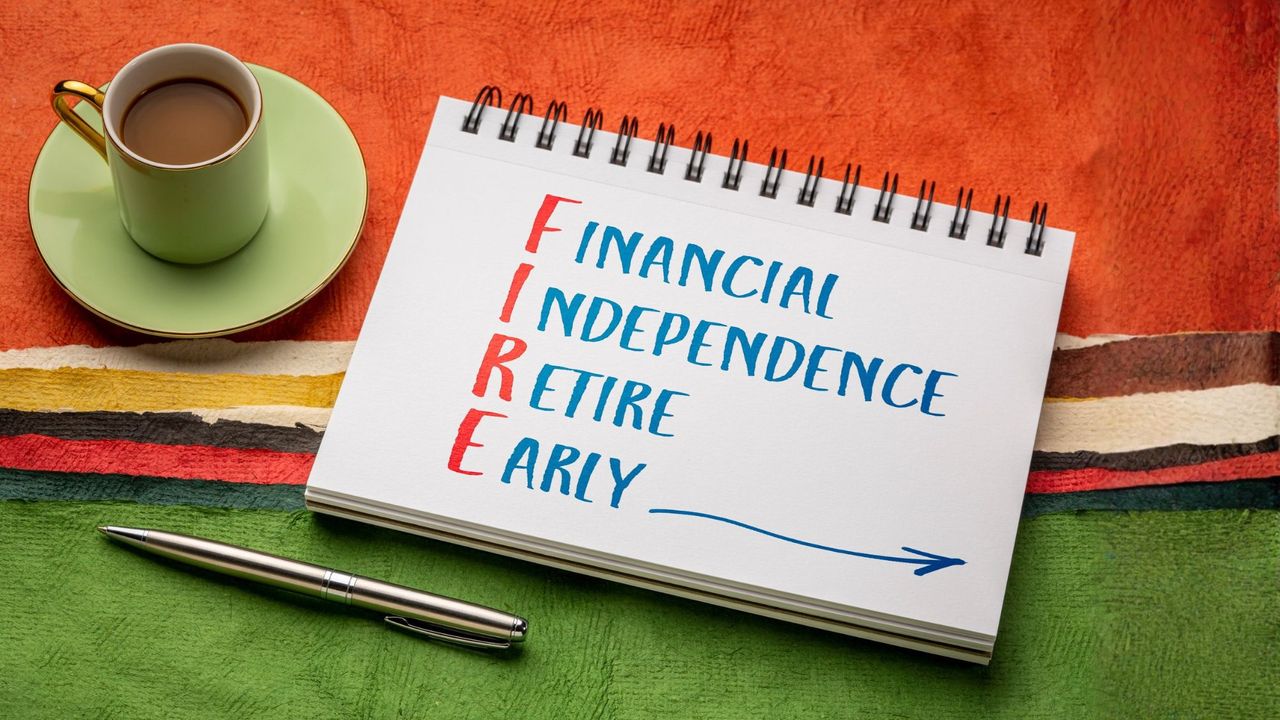
The original Financial Independence, Retire Early (FIRE) movement paved a path to early retirement through aggressive saving and extreme frugality. Today, many people view FIRE as a way to gain financial independence and flexibility, rather than retiring as early as possible.
Many early FIRE advocates aimed to save 50% to 75% of their income, working toward a goal of accumulating about 25 times their annual expenses before retiring.
But in today's world of high housing prices, inflation and healthcare costs, the FIRE movement might feel impossible. While some individuals may have found financial independence through the FIRE movement, there's a shift in the movement and in how people approach financial independence.
Why the FIRE movement is changing
The FIRE movement was popularized in the 1990s, but today's economy is vastly different, and the conversation has shifted from early retirement to financial flexibility.
Take the housing market, for example. According to the National Association of REALTORS, the median existing-home sales price was $114,600 in 1995. By 2023, the median price had climbed to $389,800. Simply buying a home now requires more of your paycheck, making it much harder to save 75% of your income under a traditional FIRE strategy.
Inflation has created additional financial strain, and tariffs and geopolitical tensions have contributed to higher costs for some goods. Healthcare costs have also skyrocketed. According to the Peterson-KFF Health System Tracker, which uses Centers for Medicare and Medicaid Services data, in 1990, annual per-person health spending averaged $2,835 in 1990, or $5,864 when adjusted for inflation. By 2024, per-person annual spending averaged $15,474.
In short, Americans have less left in their paychecks after paying for essentials like housing, food and healthcare. In many cases, consumers are increasingly prioritizing financial stability rather than planning for an early retirement.
Coast FIRE vs. traditional FIRE

Several variations of the FIRE movement exist. The traditional FIRE strategy focuses on building a large portfolio that can fully fund your retirement early, requiring you to save aggressively and potentially change your lifestyle to reflect your early retirement goals.
The Coast FIRE strategy takes a more moderate approach to save enough money early, so your investment portfolio can compound and support your retirement. Once you've amassed enough savings, you might continue to work to cover your living expenses, but early retirement isn't usually the goal. Since you won't be withdrawing from your investment portfolio early, the Coast FIRE strategy may be a more conservative option because it doesn't rely on withdrawing from investments decades before traditional retirement.
If you choose to pursue the Barista FIRE strategy, you'll work to build your savings and ultimately quit your traditional job. From there, you'll combine part-time work with your savings. Many people pursuing Barista FIRE choose to reduce their expenses so part-time income is enough to cover their living costs. Given the availability of freelance and gig work, this strategy may be a solid option for some, but you'll need to consider the limitations and expenses of securing health insurance without full-time employment.
How much money do you need to make work optional?
The amount of money that you'll need to make work optional will depend on everything from your lifestyle to your location and age.
Many individuals use the rule of 25 to determine how much they’ll need in investments to be able to retire. A commonly cited guideline suggests accumulating investments equal to about 25 times your annual expenses. The guideline is based on the widely known 4% rule, which suggests a retiree may be able to withdraw about 4% of a diversified portfolio annually, though there's no guarantee it will work in every market or retirement scenario.
Following the rule of 25, if you make $100,000 a year, you would need approximately $2,500,000 in investments to make working optional. In that situation, the guideline would suggest an initial annual withdrawal of about $100,000.
Emergency savings and retirement assets play a role, too. It's advisable to have at least three to six months of your living expenses in emergency savings. Your retirement assets may play a role, too. In addition to building up 401(k)s and Roth IRAs, consider how other assets, like Health Savings Accounts and rental properties, might support you financially once you no longer work.
Identifying the right balance of assets and the ideal amount of money you need to retire can be tricky, so consider consulting with a financial advisor.
Use the Bankrate tool below to connect with a financial professional who can help you tailor a strategy to reach your retirement goals:
Why many people keep working after reaching financial independence
Becoming financially independent and having the option to retire may sound appealing, but many financially independent individuals choose to continue working.
That's because some individuals enjoy their careers and find their work fulfilling. Some want the social engagement that comes with a career, while others may prefer having the additional income that they're able to generate.
Even if you choose to continue working, having the option to retire on your own terms can be a reassuring milestone.
Is financial independence realistic for average earners?
While reaching financial independence may take longer for average earners, many people can make meaningful progress through consistent saving, investing and keeping expenses under control.
To achieve financial independence, you may need to start early on in your career, and you'll need to be willing to live modestly. Focus on making consistent contributions to your retirement accounts and accumulating emergency savings in a high-yield savings account where your money can earn maximum interest.
Taking steps to increase your income will also help. Look for promotions and overtime opportunities, and consider taking on a side hustle where you can put your skills to work to earn extra money.
Perhaps most importantly, make a budget and stick to it. Your budget may help you identify ways you can cut spending and save money. By consistently living below your means, you can put your money to work for you and lay the pathway toward financial independence.
Financial independence can mean more than retirement
Becoming financially independent doesn't necessarily mean you'll retire early. Instead, it gives you the freedom to decide if, when and how you want to work. Rather than focusing on reaching a specific retirement age, financial independence offers greater flexibility, security and peace of mind — benefits that can be just as motivating as the prospect of early retirement.