
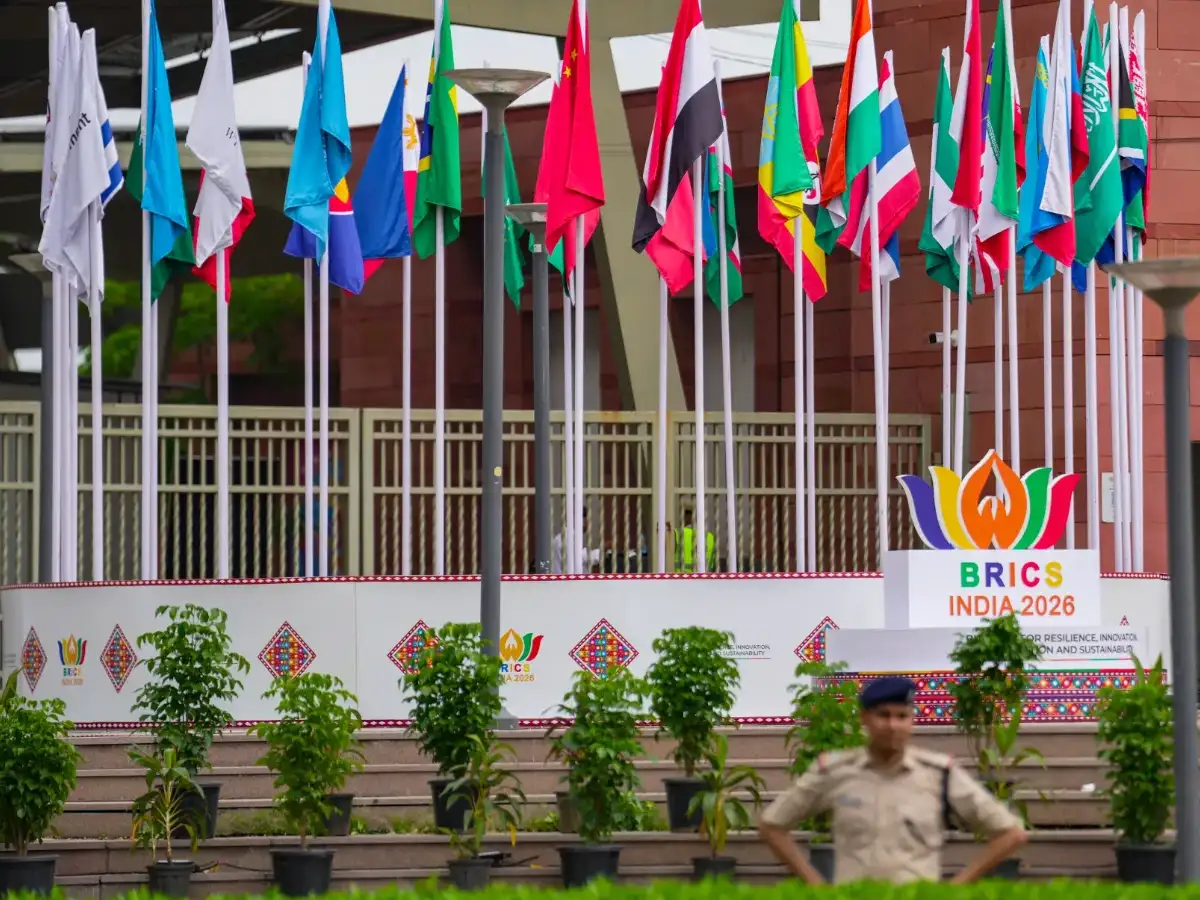
Geopolitical parity rests on knowledge before it rests on money or arms. A nation without an autonomous scientific and technological base remains subordinate, obliged to accept whatever terms the owners of technology choose to set. Thisprinciple applies to groupings of nations, and perhaps nowhere is its significance more evident than in the expanded BRICS. The BRICS countries together represent nearly half of humanity and about 40% of global GDP measured at purchasing-power parity, giving the grouping substantial demographic and economic weight. But its longer-term significance may lie even more in science, technology and innovation. With the rapidly changing geopolitical situation,BRICS has an opportunity to build collective scientific capacity and technological resilience. Pooled research infrastructure, shared facilities, open scientific networks and collaborative innovation can give member states a greater voice in shaping the technologies, norms and technical standards that will define the future of humanity.














