
Get all your news in one place.
100's of premium titles.
One app.
Start reading
Space
Space
Science
Jamie Carter

The easiest way to learn the summer night sky starts with these 3 stars

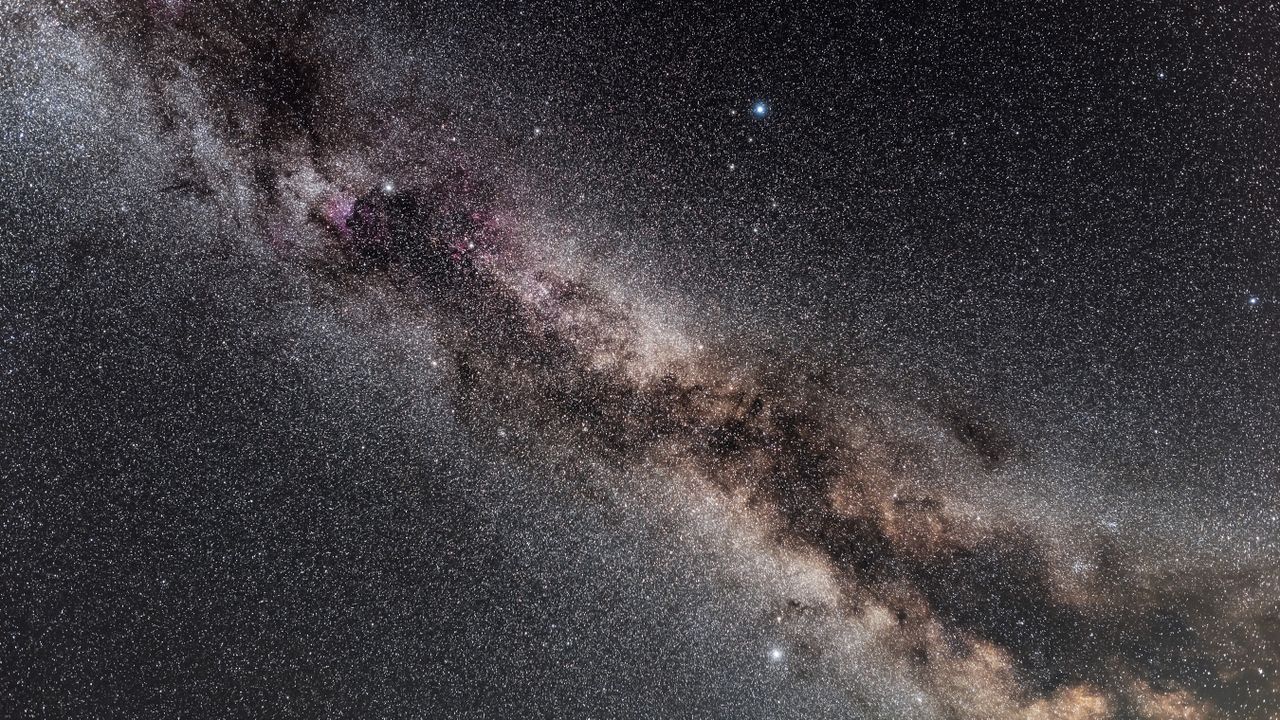
The northern summer Milky Way through the area of the Summer Triangle, showing the change in colour as the Milky Way heads south toward the dustier regions around the galactic core Deneb in Cygnus is at top, Vega in Lyra is to the upper right, and Altair in Aquila is at bottom The dark lanes of the Cygnus Rift show up well, beginning in Cygnus and splitting the Milky Way in two on south .

There is a particular moment every July when the night sky makes perfect sense to me. Every time I step outside at night, I instinctively look overhead for the Summer Triangle. Not because it's the most spectacular sight in the sky. In fact, the vast asterism is almost suspiciously simple: three bright stars, large enough to cut through twilight and light pollution without much effort.

Experienced stargazers quietly depend on the Summer Triangle more than we admit. People imagine astronomy involves memorizing the entire sky at once, knowing exactly where each star is and what it's called. Everyone navigates differently, but we all rely on familiar anchor points because the night sky changes quickly with the seasons.

Sign up to read this article
Read news from 100's of titles, curated specifically for you.
Already a member? Sign in here
Related Stories
Top stories on inkl right now
One subscription that gives you access to news from hundreds of sites
Already a member? Sign in here
Our Picks
Fourteen days free
Download the app
One app. One membership.
100+ trusted global sources.