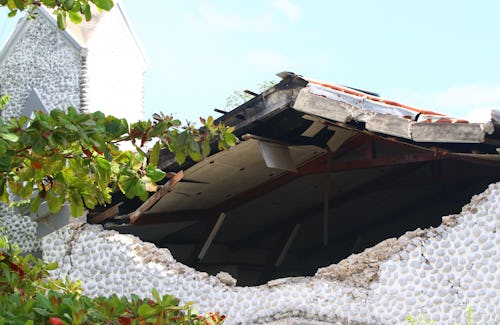
On Saturday morning, a 7.2-magnitude earthquake shook the Caribbean, rattling the ground over a 300-mile radius and producing the longest-lasting tremor ever felt in the region. But no place was more affected by the sudden shift under the Earth's surface than western Haiti, including the city of Les Cayes, just south of the capital city Port-au-Prince. These vulnerable regions, still recovering from a similarly devastating earthquake that struck the region just a decade ago, saw infrastructure crumble, homes and buildings collapse, and daily life come to an abrupt halt as they were suddenly forced into a scramble to save lives.
Trying to identify the amount of destruction or the death toll associated with the latest Haiti earthquake is difficult, as the numbers simply continue to climb. Early reports suggested a few dozen people had been killed in the natural disaster, but that quickly ballooned to several hundred as rescue workers continued to dig through rubble. As of Monday morning, the estimated death toll has climbed past 1,300 people. Nearly 6,000 more people were injured in the earthquake. Even those who managed to escape the harrowing event with their health are still being displaced from their homes, unable to return because the buildings have been damaged or completely destroyed.