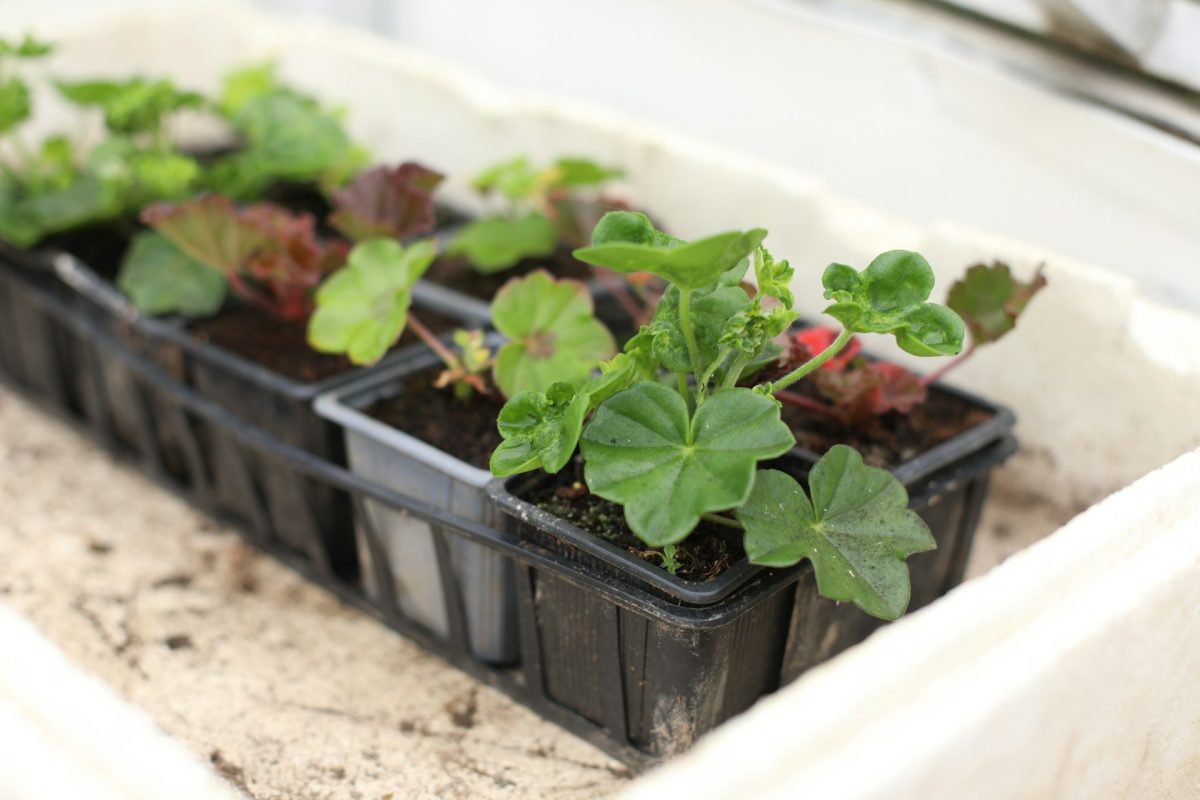
A seedling can look perfectly healthy on top while chaos unfolds below the soil line. That bargain-bin seed tray sitting under grow lights might seem harmless, even practical, yet the wrong container can twist roots into tight spirals, stunt growth before transplant, and quietly sabotage an entire season’s harvest.
Plenty of gardeners focus on soil blends, fertilizers, and lighting schedules, but ignore the plastic cell holding everything together. That oversight costs more crops than most people realize.

The Hidden Damage Happening Beneath the Soil
Roots crave direction. They grow outward and downward in search of water, oxygen, and nutrients, and they respond immediately to the space surrounding them. When a cheap seed starting tray uses thin, smooth plastic with shallow cells and no proper drainage design, roots slam into the walls and begin circling. This process, known as root binding, locks the plant into a tight spiral that limits nutrient uptake and destabilizes future growth.
A warped tray makes the problem worse. Flimsy plastic often bends once it fills with moist potting mix. That bending shifts the soil structure, compresses certain sections, and creates uneven moisture pockets. Roots avoid overly wet zones and cluster in drier corners, which leads to misshapen root balls that struggle after transplant.
Many discount trays also lack adequate drainage holes or feature tiny perforations that clog easily. Water lingers at the bottom, oxygen levels drop, and delicate feeder roots suffocate. Without oxygen, roots cannot convert nutrients into usable energy. The plant above ground might still push out green leaves for a while, but the foundation has already weakened.
Why Warped Roots Lead to Weak Harvests
A seedling never forgets its first container. When roots coil around themselves for weeks, they continue that pattern even after transplant. Instead of spreading into garden soil, they circle within the original root ball. That tight mass limits access to surrounding nutrients and moisture.
Vegetable crops such as tomatoes, peppers, cucumbers, and squash rely on vigorous root systems to support heavy fruit production. A tomato plant with constricted roots cannot anchor itself properly or fuel consistent fruit set. Gardeners often blame fertilizer schedules or weather shifts for poor yields, yet the issue started weeks earlier in a flimsy tray.
Perennials and herbs suffer too. Basil grown in cramped cells bolts faster under stress. Lettuce planted from root-bound plugs tends to stall before forming full heads. Even flowers display the damage; marigolds and zinnias may bloom, but they rarely reach their full size or branching potential when roots never expand freely.
Healthy roots equal resilience. When heat waves hit or rainfall patterns swing wildly, plants with strong, outward-growing roots adapt better. Constricted roots leave crops vulnerable to drought stress, nutrient deficiencies, and disease pressure.
The Cheap Plastic Trap
Mass-produced seed trays often use thin polystyrene or lightweight plastic that cracks under pressure and warps under repeated watering. Manufacturers design these trays for short-term use, not durability. After one or two seasons, corners bend, cells collapse slightly, and the entire tray loses structural integrity.
That warping does more than frustrate during handling. It changes how water drains. One side of the tray might hold more moisture, while another dries out too quickly. Uneven moisture encourages inconsistent root growth across the tray. Some seedlings develop strong root systems, while others lag behind, creating a patchwork of plant vigor before transplant day even arrives.
Low-cost trays also lack air pruning features. Air pruning occurs when roots reach an opening that exposes them to air, which naturally stops the tip from circling and encourages branching. Many higher-quality trays and soil blocks promote this effect. Smooth-sided, enclosed plastic cells do the opposite; they force roots to circle endlessly along the wall.
What Better Seed Trays Actually Do
Higher-quality trays use rigid plastic that maintains shape even when saturated with water. That stability protects soil structure and keeps moisture distribution more consistent. Deeper cells allow roots to grow downward instead of immediately hitting a flat base.
Some trays include ribbed or textured interiors that gently guide roots downward rather than around the perimeter. Others incorporate larger drainage holes or slotted designs that encourage airflow and prevent waterlogging. When air reaches the bottom of the cell, it supports oxygen exchange and healthier root development.
Soil blocking systems eliminate plastic cells altogether. Gardeners compress potting mix into freestanding cubes using a soil blocker tool. Each cube allows roots to reach the outer edge and naturally air prune, which encourages branching and prevents circling. Although soil blocking requires practice and attention to moisture levels, it produces remarkably sturdy transplants.
Biodegradable pots made from coir or peat offer another option, though they require careful management. These materials wick moisture differently than plastic and can dry out quickly under strong light. Still, they allow roots to penetrate the sides more easily, which reduces the circling effect common in smooth plastic trays.
Smart Upgrades That Protect Crops
Gardeners who want stronger seedlings can take several practical steps without turning seed starting into an expensive hobby. First, choose trays labeled as reusable or heavy-duty, even if they cost slightly more upfront. A sturdy tray often lasts multiple seasons and prevents uneven soil compression.
Second, check cell depth. Most vegetable seedlings benefit from cells at least two to three inches deep. Shallow cells restrict root length and increase the risk of early root binding. Deeper cells support stronger early growth and reduce transplant shock.
Third, monitor watering habits closely. Even a good tray cannot compensate for chronic overwatering. Water thoroughly, then allow the surface to dry slightly before watering again. Consistent but not excessive moisture encourages roots to seek out water instead of sitting in soggy soil.
Finally, consider mixing tray systems. Use higher-quality trays for crops that demand strong root systems, such as tomatoes and peppers, and reserve basic trays for short-term seedlings like lettuce that move quickly into garden beds.

The Real Cost of Saving a Few Dollars
A cheap tray might save a few dollars at checkout, but a stunted crop costs far more in lost harvest. Time, seeds, potting mix, and effort add up quickly. When seedlings fail to thrive because their roots twisted in confinement, the entire growing season suffers.
Home gardeners invest energy and anticipation into seed starting. Watching the first sprouts break through soil sparks excitement and promise. That promise deserves a solid foundation. Healthy roots determine whether a plant merely survives or actually produces an abundant harvest.
Strong containers support strong beginnings. Durable trays, proper drainage, and thoughtful watering habits set the stage for vigorous plants that adapt, fruit, and flourish throughout the season.
Strong Roots, Strong Harvests
The seed starting tray sits quietly under lights or near a sunny window, yet it controls the earliest and most critical stage of plant development. Flimsy plastic, shallow cells, and poor drainage twist roots and restrict growth long before anyone notices trouble above the soil line.
Upgrading trays, choosing deeper cells, and paying attention to root health transforms seed starting from a gamble into a strategic advantage. Healthy seedlings move into garden beds with confidence, spread roots quickly, and support heavier yields.
Gardening rewards those who pay attention to the unseen details. Roots determine the story long before leaves and fruit appear. Will that story begin in a tray that shapes strength or one that quietly strangles it? Give us all your tips and insight in the comments below.
You May Also Like…
9 Seeds You Can Plant Immediately — No Matter the Weather
The Soil Additive That’s Quietly Killing Seedlings in Southern States
Seeds You Can Save From Everyday Foods to Grow New Plants
Why Your Compost Bin Could Be Breeding a Fungus That Kills Seedlings
Gardeners Are Buying Seeds Earlier to Avoid Spring Shortages
The post The Cheap Seed Starting Tray That’s Warping Roots and Killing Crops appeared first on Frugal Gardening.