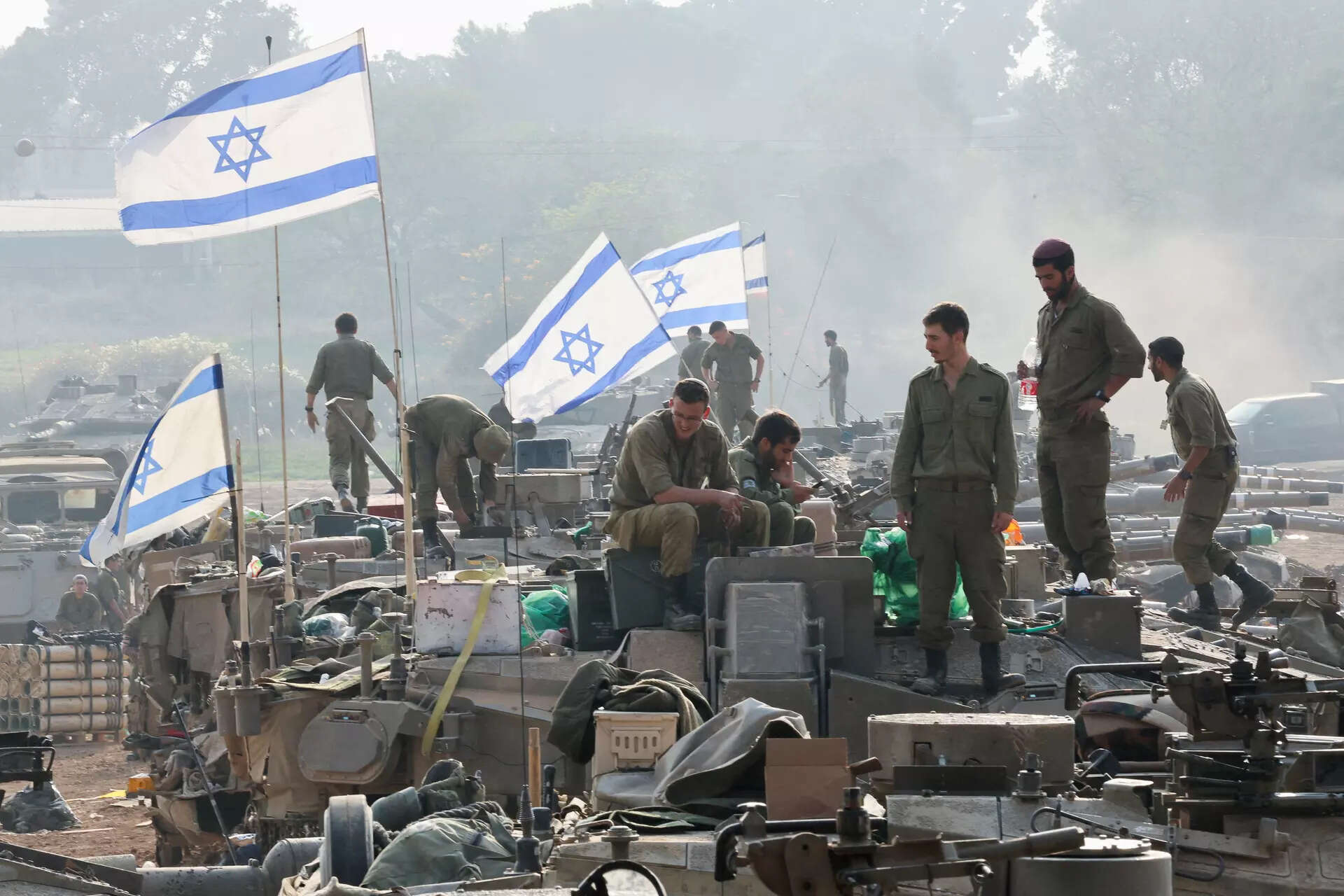
Israel is pulling out some of its troops from Gaza and releasing some of its reservists, as it shifts to more targeted operations against Hamas and prepares for a possible second front with Hezbollah in Lebanon.
What's driving the news

The Israel Defense Forces (IDF) are undergoing a significant shift in their deployment strategy in the Gaza Strip, a move that could be a precursor to a broader regional conflict in the coming weeks and months. On Monday, the IDF announced a major redeployment of troops, with soldiers from at least two brigades returning home to their families and jobs as early as this week. This marks the largest troop withdrawal since the October 7 attack by Hamas.
This move marks a transition to more targeted operations against Hamas, while also addressing the economic impact of the war on the nation. The move comes as the war, which began in October, enters a new phase that could last for six months or more, according to an Israeli official who spoke to Reuters. The official said that Israel’s objective of toppling Hamas remains unchanged, but that the military is moving to the third stage of the war, which involves “intense mopping-up missions against the terrorists”. The strategy also involves preparing for potential conflicts with Hezbollah in Lebanon.
The big picture
Since the war's onset on October 7, Israel's military strategy has evolved through various stages, starting with intense shelling, followed by a ground invasion. The focus now shifts to "intense mopping-up missions against terrorists," as described by an Israeli official. This strategic pivot is partly in response to US pressure for a more civilian-protective approach. The economic strain caused by the mobilization of a large reservist force is also a key factor, with the Israeli military spokesperson emphasizing the need for a balance between military operations and economic functionality.
Why it matters
The partial withdrawal of Israeli forces from Gaza signals that the war is entering a new and uncertain phase, where the prospects of a lasting ceasefire or a political solution remain elusive.The war has taken a heavy toll on both sides, with Israel losing 1,200 soldiers and civilians, and Hamas losing more than 8,000 fighters and holding 129 hostages.The war has also strained Israel’s relations with its regional and international partners, who have condemned its disproportionate use of force and its blockade of Gaza.The war has also increased the risk of a wider conflict in the Middle East, as Iran and its proxies have stepped up their attacks on Israel, and as Israel has threatened to launch a full-scale war on Hezbollah in Lebanon.What they are saying
Lieutenant-General Herzi Halevi, Israel's top commander, referred to the current phase as a "reconfiguration" of forces, acknowledging the long duration of the war. He emphasized the goal of achieving a safer and more stable security situation.The troop reduction aligns with Israel's Supreme Court's recent decision against a part of Prime Minister Benjamin Netanyahu’s judicial overhaul plan, reflecting the complex interplay of internal politics and military strategy.What to watch out for
The partial troop withdrawal suggests a shift towards a more contained offensive, focusing on Hamas strongholds. However, the situation remains volatile, with intense fighting continuing in parts of Gaza, especially the south.The conflict's impact on the civilian population is profound, with a significant displacement within Gaza. Regionally, the conflict's potential to escalate, involving Hezbollah and Iranian-backed forces, remains a concern.The Biden administration has adjusted its approach to Israel, maintaining support while becoming more vocal about the need for a ceasefire in Gaza due to the rising civilian death toll. This shift in messaging is partly influenced by domestic pressure, including from some members of Congress.The US role in the region, particularly in mediating the conflict and maintaining stability, will be crucial in the coming months. Additionally, the internal political dynamics within Israel could influence the future course of the war.(With inputs from agencies)