Get all your news in one place.
100's of premium titles.
One app.
Start reading
The Economic Times
The Economic Times

The Case for Mixed Doubles: Tradition alone has not been enough to keep it in the spotlight

As striking images go, this one will be irresistible.

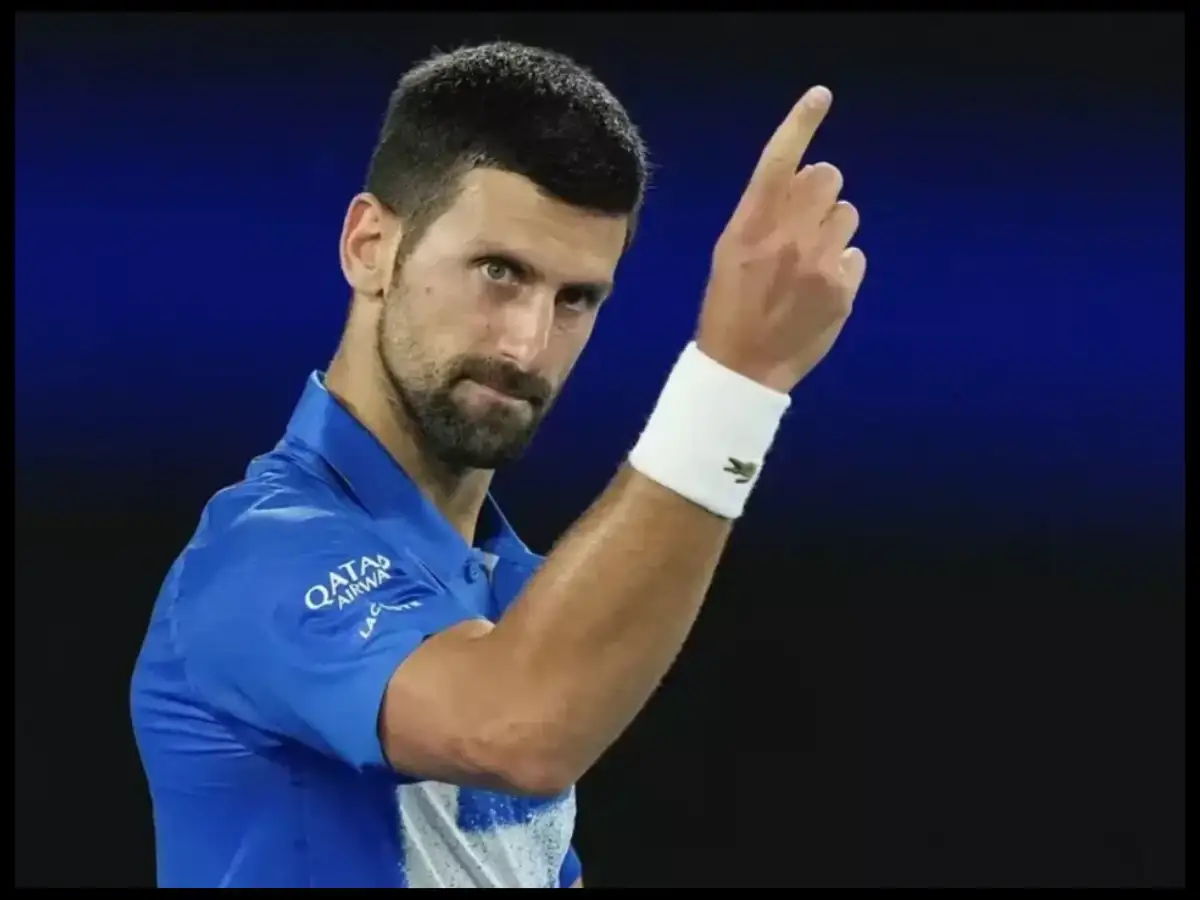
Aryna Sabalenka, the leading light of the women’s game, on the same side of the court as Novak Djokovic, the most prolific winner in tennis history. Across the net could stand another galaxy of stars — maybe Iga Swiatek and Casper Ruud, Naomi Osaka and Kei Nishikori, Jessica Pegula and Jack Draper, or Elena Rybakina and Taylor Fritz.

The mouth waters at the prospect. The conversations between points, the tactical improvisation, the unique chemistry between champions accustomed to carrying the burden alone. Before a ball has been struck, the US Open’s reimagined mixed doubles championship has already achieved something precious in modern sport: curiosity.

Curiosity, in today’s sporting economy, is every bit as valuable as tradition.

That’s why the United States Tennis Association (USTA) deserves applause, not brickbats, for its decision to stage mixed doubles as a threeday showcase before the rest of the US Open gets going. Doubles specialists have been irate in their response, but disruption is often the first sign that a sport is trying to solve tomorrow’s problem instead of protecting yesterday’s comfort.

To a degree, their objections are understandable. They argue that a Grand Slam title should remain the preserve of those who dedicate their careers to the discipline. They worry that a condensed format, populated by singles stars, diminishes the specialists who have spent years mastering formations, reflexes and court positioning. Their disappointment, though genuine, is also rooted in an increasingly uncomfortable reality that sport can’t rely on sentiment alone — it needs relevance.

The harsh truth is that doubles has steadily drifted to the margins. Outside Davis Cup, the Olympics and the occasional marquee contest, doubles courts simply don’t attract the same audiences, television ratings or commercial interest as singles. And when attention disappears, the economics gets shaky.

That’s precisely why the US Open’s gamble deserves support. The inaugural edition of the revamped event last year drew sell-out crowds. Viewership figures too were far higher than traditional mixed doubles could attract.

Every successful entertainment “product”, and that is what any viable modernday sport is, understands that consumers rarely sample something they are not already invested in. Tennis is simply applying the same principle. Fans who buy tickets, or tune in, to watch Sabalenka and Djokovic may discover an appreciation for the angles, anticipation and splitsecond teamwork that makes doubles fascinating. Some will return, and better still, a few young players may even choose to specialise after experiencing doubles through their sporting heroes.

This isn’t the first sport to reinvent itself — cricket embraced T20, golf experimented with made-for-television formats and even athletics continues to search for innovations that connect with younger audiences. The critics must also consider another important truth that the presence of elite singles players does not diminish doubles; it elevates its visibility. The technical excellence of specialist pairs will always command respect, but that alone doesn’t fill stadiums or persuade broadcasters to devote prime-time coverage.

If even a fraction of the millions who follow the big singles names on show begin paying attention to doubles because their favourite stars are competing, the entire discipline will get a leg up. Sponsors and Broadcasters will gain confidence, in turn compelling event organisers to allocate better courts and better more prime time windows. It will make tennis stronger, not weaker.

Sport has never stood still. Every generation inherits a version of the game shaped by bold decisions made by the previous one. Remember when tie-breaks were controversial, night sessions were radical and on-court coaching was scoffed at. Today they are simply part of tennis. The US Open’s mixed doubles experiment belongs in the same category. It recognises an uncomfortable truth and responds with imagination. Other major tournaments should not merely observe from a distance — they should be inspired enough to follow.

Sign up to read this article
Read news from 100's of titles, curated specifically for you.
Already a member? Sign in here
Related Stories
Top stories on inkl right now
One subscription that gives you access to news from hundreds of sites
Already a member? Sign in here
Our Picks
Fourteen days free
Download the app
One app. One membership.
100+ trusted global sources.