"I've had my youth, and I know you must take away my middle years, but please leave me my old age. Please leave a small light at the end of the tunnel." In 2015, with his sentencing hearing looming, Ross Ulbricht begged for a glimmer of hope. Today, at age 40, he is free.
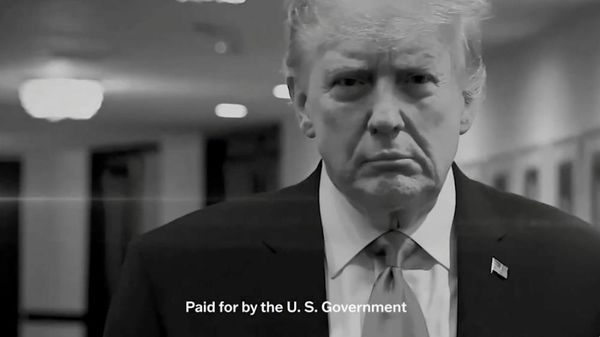
On January 21, one day into his second term, President Donald Trump granted a full pardon to Ulbricht, the founder of the Silk Road online marketplace. He was 11 years into a double life sentence without the possibility of parole after being convicted on charges connected to commerce on the dark web platform, including drug trafficking, computer hacking, and money laundering. Notably, he was not convicted of actually selling drugs himself.
By punishing Ulbricht as if he personally distributed narcotics, the government set a dangerous precedent for internet platforms and personal liability in the digital age. Pressure to hold platform operators liable for everything from misinformation to sex work has grown in the past decade as Ulbricht and his supporters—especially those in the libertarian and cryptocurrency communities—fought for his freedom. Ulbricht has long served as a warning, a caged canary in the coal mine.