- Dacia says its ADAS “magic button” is the most-used button in its cars.
- The switch lets drivers turn off certain ADAS beeps and warnings.
- The company's CEO wants the EU to ease small-car regulations to help keep prices down.
Dacia has built its reputation on keeping things simple. But apparently, one button on its modern cars gets more exercise than anything else: the one that shuts up the advanced driver-assistance systems (ADAS). The company’s head honcho says the so-called “magic button” is the most-used key in the cars built by the Renault-owned automaker.

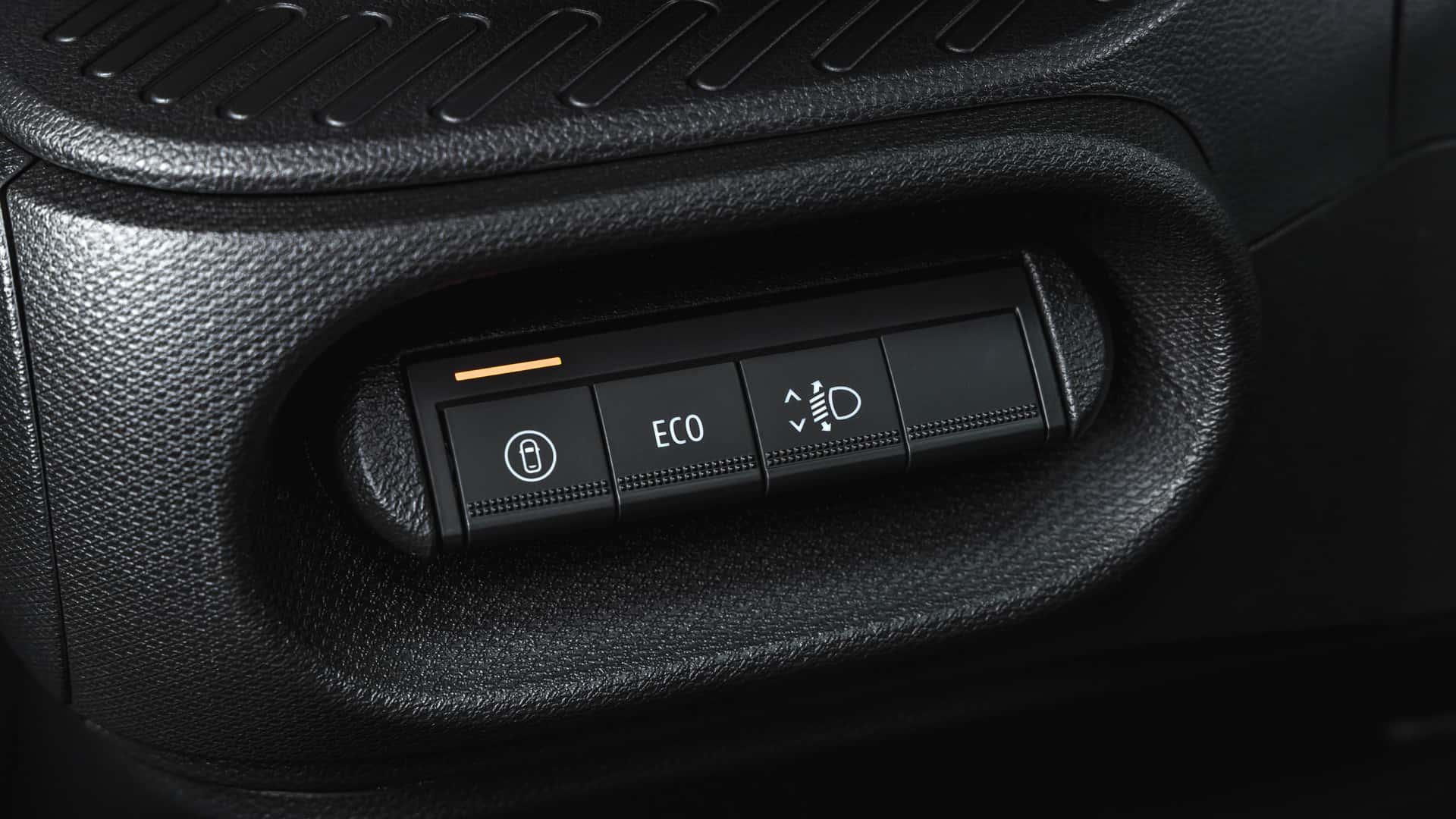
Its job is to let drivers quickly return to their preferred settings for the various driver-assistance systems, including the increasingly familiar audible warnings: “The most used button in our cars is the so-called magic button, where you can turn off all the [ADAS] beeps,” Katrin Adt told British magazine Autocar.
And that is quite the statement from the boss of a brand whose entire philosophy revolves around giving customers the essentials without charging them for a bunch of unnecessary stuff. The button in question is Dacia’s “My Safety” switch. It was introduced to give drivers easy access to their preferred ADAS configuration. Dacia says the system lets owners deactivate certain assistance features while driving and restore their preferred settings with a physical button.
Isn't It Ironic, Don't You Think?
The irony is strong with this one. The European Union requires more and more driver-assistance systems. Yet, Dacia says its customers are apparently spending plenty of time pressing a button designed to silence some of them.
According to Adt, Dacia has already dealt with around 100 regulations and expects another 107 to take effect by 2030. It’s such a big issue that a quarter of the research and development budget goes toward making the cars comply with increasingly complex regulations to please Brussels.
She argues that the sheer volume of requirements is making it increasingly difficult to build the kind of inexpensive cars Dacia is known for. That puts the humble magic button in a rather interesting position. It isn't proof that ADAS is useless, nor does Dacia suggest that safety systems should disappear. Instead, it's questioning whether every new requirement makes sense for small, affordable cars.
Dacia, together with other automakers, has asked the European Commission for at least a regulatory freeze for small cars. The idea is to give manufacturers some breathing room to keep prices under control rather than continually adding new requirements and costs. For the Romanian brand, this matters more than it does for most automakers. Its entire business model depends on offering relatively inexpensive transportation, and every additional piece of mandatory hardware, software, calibration, and testing makes that harder.
The Please-Be-Quiet Button
Most modern cars are packed with buttons (buried in infotainment systems, though) for increasingly complicated functions. Dacia’s most-used one, according to its CEO, is essentially the “please stop yelling at me” button. Needless to say, the My Safety switch doesn't turn off fundamental safety equipment such as airbags, ABS, or stability control. It is intended for configurable driver-assistance features and their alerts, which tend to be annoying more often than not.
Still, Adt's comment highlights a growing disconnect between what regulators mandate and what some drivers actually want to interact with every time they get behind the wheel. And if the most-used button in your car is the one that makes its mandatory technology shut up, perhaps that's worth paying attention to.
2027 Dacia Striker
Motor1's Take: There’s something wonderfully ironic about the most-used button being the one that tells the car to stop talking. Driver-assistance systems are useful, but nobody enjoys being bombarded with beeps and warnings every time they get behind the wheel. The fact that Dacia claims owners routinely reach for the “magic button” says something about how these systems are being implemented, even if it doesn’t mean ADAS itself is unwanted.
Dacia’s broader argument is also worth watching because affordable cars are particularly sensitive to added costs. Every mandatory sensor, camera, software feature, and compliance test eventually must be paid for by someone. The challenge for regulators is finding the right balance between improving safety and making sure Europe can still build genuinely affordable small cars. If Dacia can keep the latter alive without compromising the former, everybody wins.
Also, kudos to Dacia for keeping plenty of physical controls in all its cars.