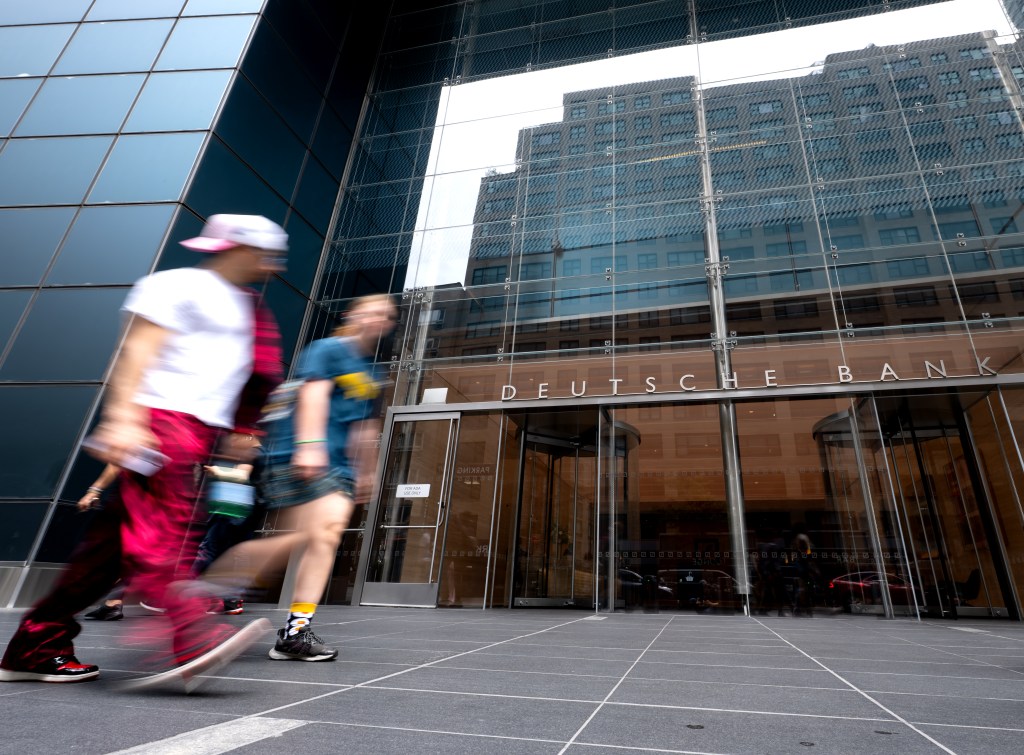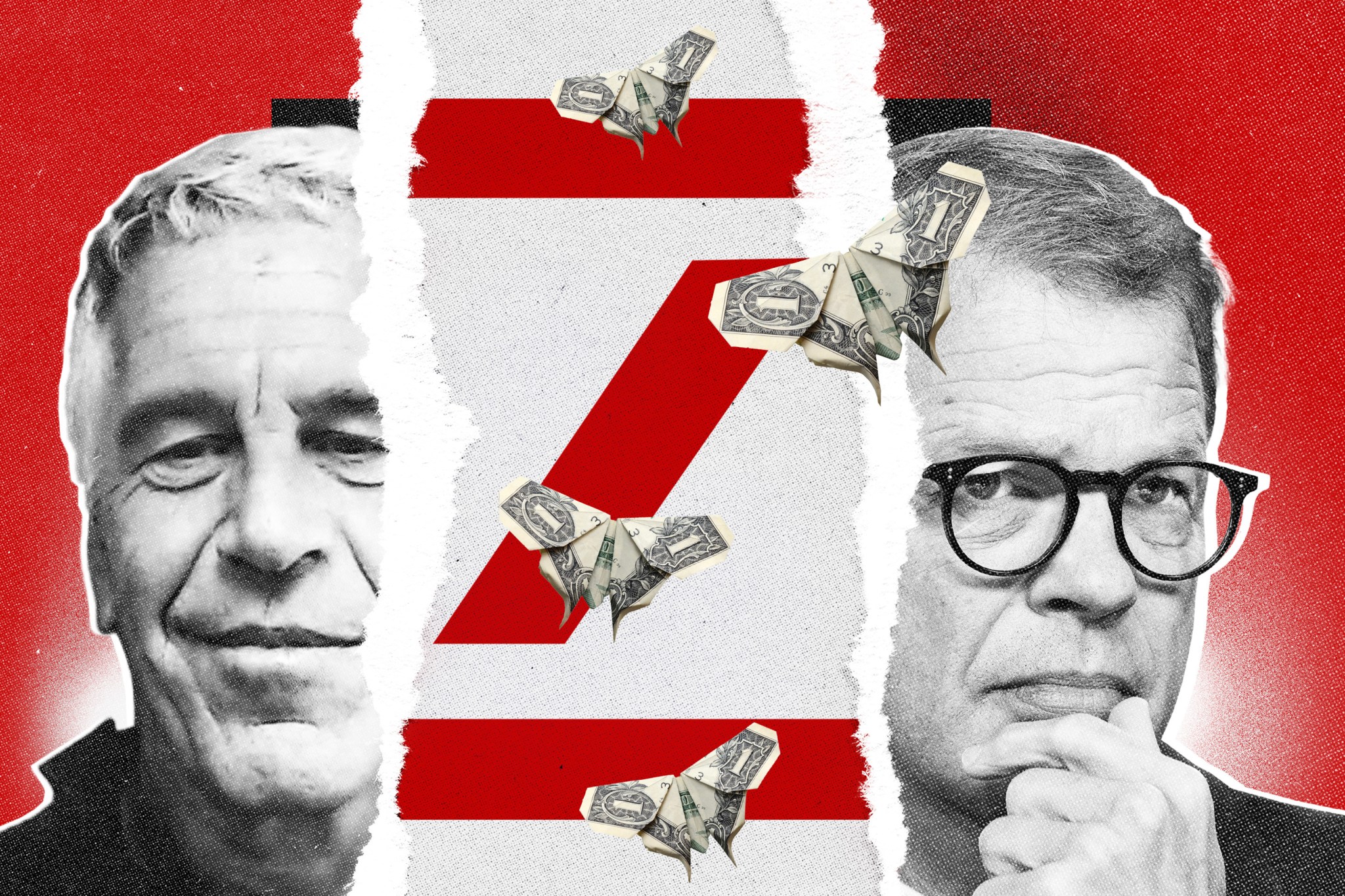
On a Friday morning in May 2019, months after Deutsche Bank claimed to have severed its relationship with Jeffrey Epstein and just weeks before he was arrested, one of the financier’s longtime bankers sat at his desk in Deutsche Bank’s midtown Manhattan headquarters, scrolling through the bank’s internal systems. The numbers on his screen didn’t match the story his institution had begun telling the outside world.
“Since the client intends to have the rest of their accounts closed this week or next, let’s agree on what is still open,” Stewart Oldfield, then a director in Deutsche Bank’s U.S. wealth unit, wrote to colleagues on May 10, under the subject line, “Epstein account closure.” He added a line that showed the bank had still not made a clean break with Epstein: “I think some of the accounts are zero balance but still open.” Oldfield’s messages were contained in the cache of 3 million files on Epstein released by the U.S. Department of Justice.
Oldfield didn’t respond to repeated Fortune requests for comment.
Five months earlier, in December 2018, Deutsche Bank had formally told Epstein it was ending the relationship. Senior wealth executives weighed the reputational damage of continuing to work with a convicted sex offender against the revenue he generated. Oldfield reportedly told the bank that Epstein brought in more than $1 million a year in fees and trading income, a figure consistent with earlier internal estimates that had pitched his potential value at $2 million to $4 million annually, according to the Financial Times. In the end, the reputational risk case prevailed. The bank claimed in a consent order with the New York Department of Financial Services to have sent Epstein a termination letter on Dec. 21, 2018, that said the relationship had to end. Epstein’s team, according to the Financial Times, was given until the end of February 2019 to move his money elsewhere. But the day before the original deadline, internal emails reviewed by Fortune show, his associates were then given their first of many extensions.
The termination letter became a pivot point: In regulatory filings from 2020 and in other public statements, Deutsche Bank described the relationship as running from August 2013 to December 2018. Internally, the reality was much messier. As the February deadline approached, Epstein’s entities had not finished leaving the bank. Oldfield agreed to allow accounts to remain open beyond the original cut‑off, buying time for transfers and telling colleagues that he needed to coordinate what was “still open” on the bank’s internal platforms.
Meanwhile, some of Epstein’s accounts officially remained open at the bank following his arrest on July 6, 2019—seven months after he was supposed to have been terminated. It wasn’t until July 9, 2019, that all of Epstein’s accounts were closed at the bank.