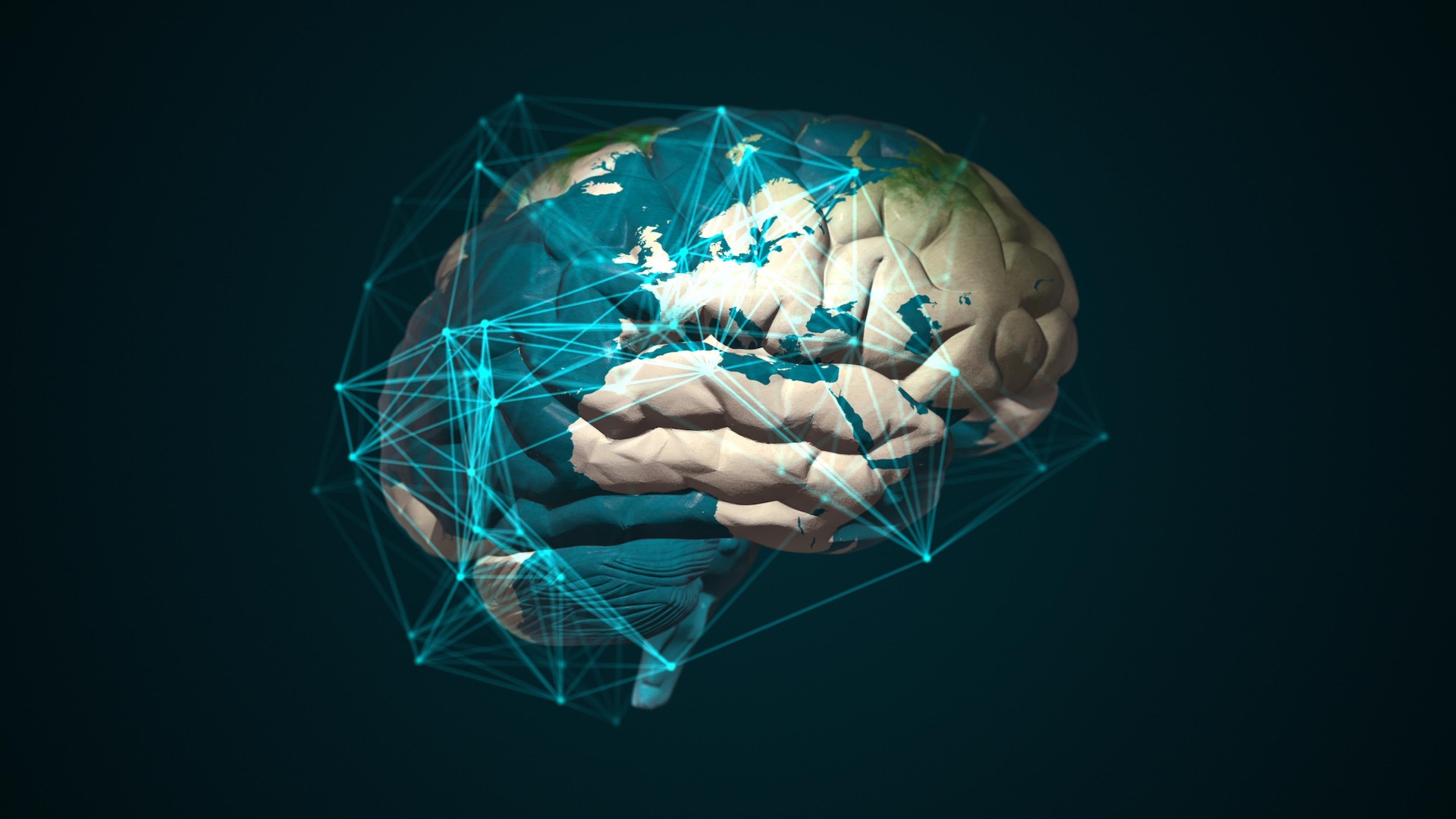
To learn our way around a new city, we often use maps and landmarks to find the quickest and most reliable route between two places. Now, new research shows that our brains might use similar processes to "navigate" between related concepts.
Researchers have developed a mathematical model to examine how the brain represents both spatial and semantic information. The latter includes knowledge about the meaning and significance of different people, places and things; brain activity related to these concepts crops up when a person sees a person, place or thing in real time and when they recall it in a memory.