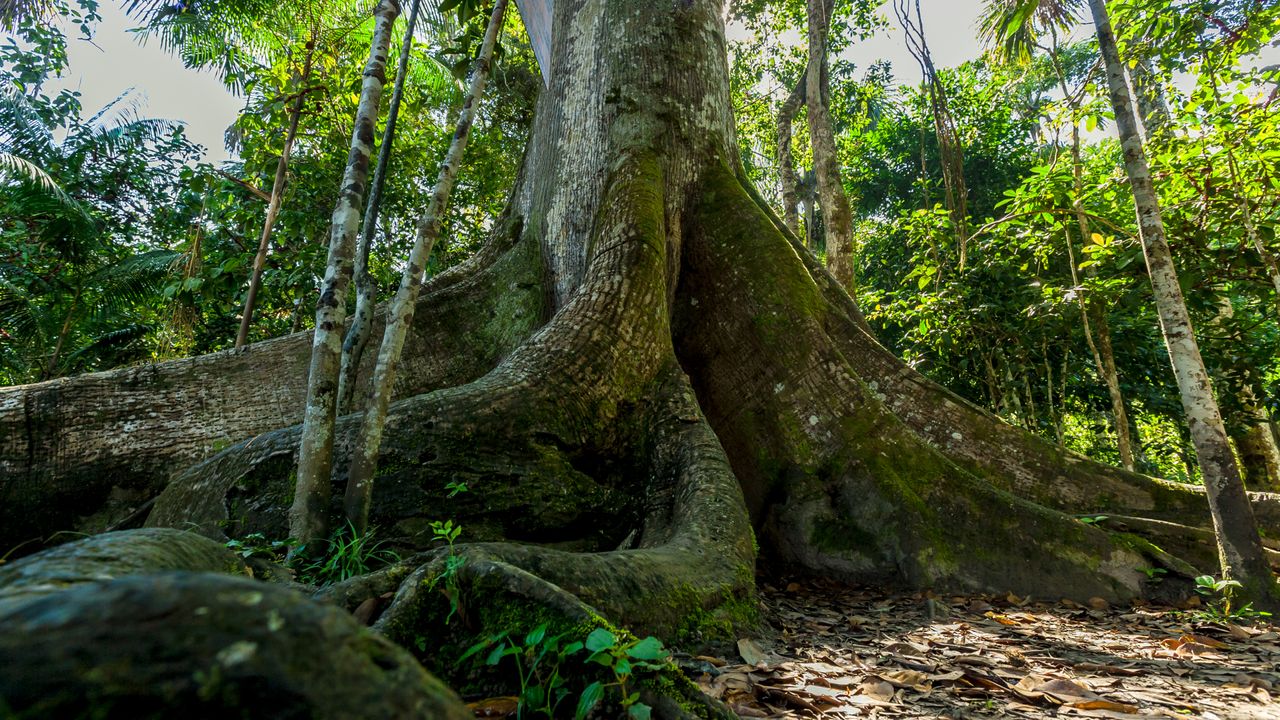
The biggest trees in the Peruvian Amazon store disproportionately more carbon than smaller trees do, a new study finds. But these larger trees are also the ones most likely to be harvested, which means more carbon is being released into the atmosphere, thereby reducing these forests' ability to act as carbon sinks, the researchers say.
Almost 60% of Peru’s land is covered by forests, the vast majority in the Amazon region where it accounts for around 11% of the total Amazon rainforest. Peru's current forestry law allows trees to be selectively harvested when they reach a minimum diameter, which ranges from 16 to 24 inches (41 to 61 centimeters) depending on the species. The terrain in the Peruvian Amazon makes accessing and removing trees difficult, so forestry companies prefer larger trees because they yield the most wood, which reduces transportation costs, labor and time. These trees also tend to be older and more mature, with denser, harder and more stable wood.