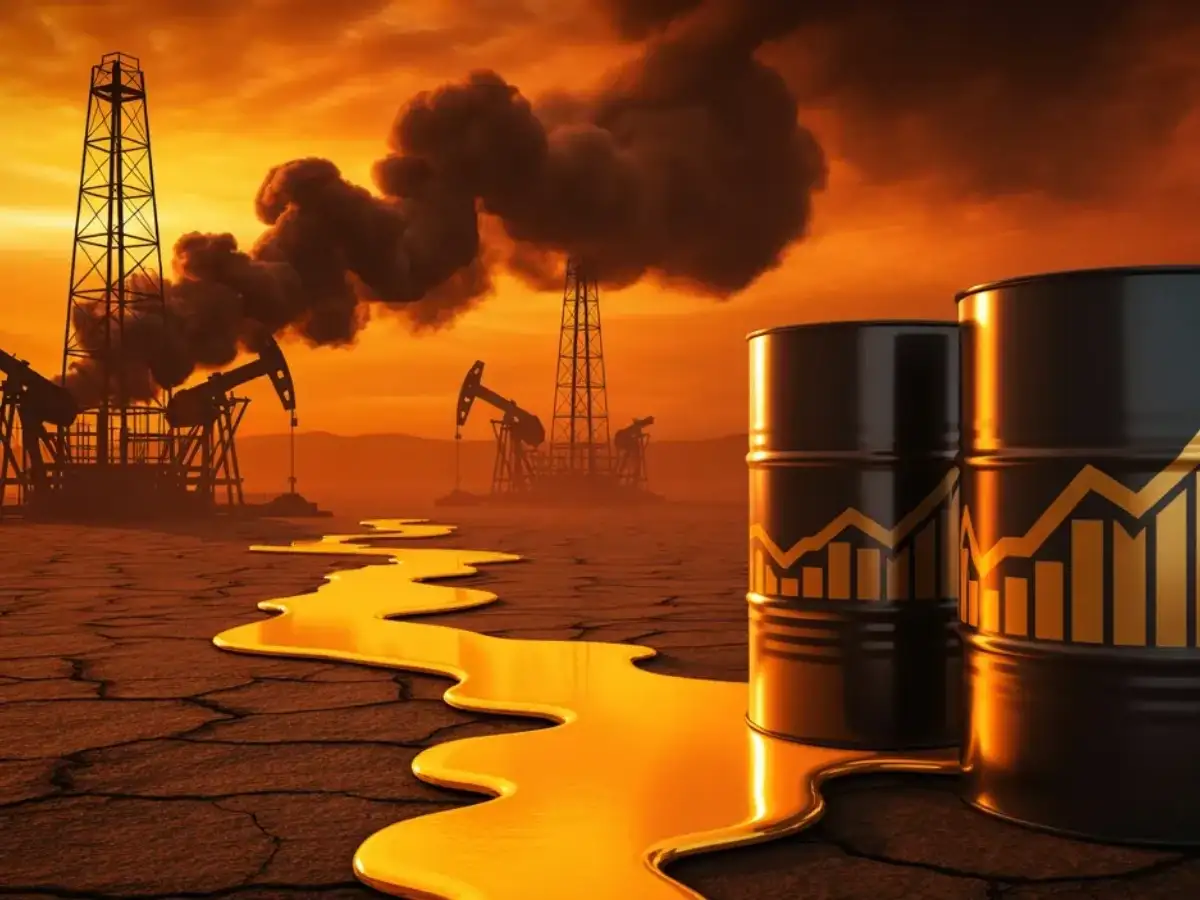
The risk of a prolonged war and renewed disruptions to energy production, shipping routes and critical infrastructure remains the biggest threat to economies across the Middle East and Central Asia, the International Monetary Fund (IMF) said on Thursday, warning that existing buffers against the energy shock are running down.
Jihad Azour, the IMF's director for the Middle East and Central Asia, said the conflict was imposing an uneven economic shock across the broader region, with countries directly affected facing severe pressure. The outlook will depend on how quickly energy production and trade normalise, and on governments' ability to preserve macroeconomic stability, he said.