
Lumbar support in a mattress benefits everyone, not just those who suffer from back pain. The lumbar supports the bulk of your weight and helps you perform even the most basic movements. If that's compromised, you'll be limited in what you can do — and your sleep will suffer, too.
The best mattresses prioritize lumbar support with ergonomic designs that target the lower back and contouring materials that maintain the spine's natural ‘S’ shape. If your current mattress is lacking in this area, there are a few ways to make it more comfortable for your lower back.
Otherwise, if you're ready for a new bed, take a look at this month's mattress sales for deals on lumbar-friendly designs. But before you go shopping, here's what you need to know about finding a mattress with good lumbar support...
What is lumbar support?
The lumbar is the largest segment of your spine, spanning from your ribcage to your pelvis. It's integral to your overall balance and mobility, and it also helps distribute your body weight.
Lumbar support maintains the natural 'S' shape of your spine, which curves inward at your lower back (known as the lordotic curve). A mattress with sufficient lumbar support fills the gap between your lower back and the surface to keep everything aligned and reduce pressure buildup.
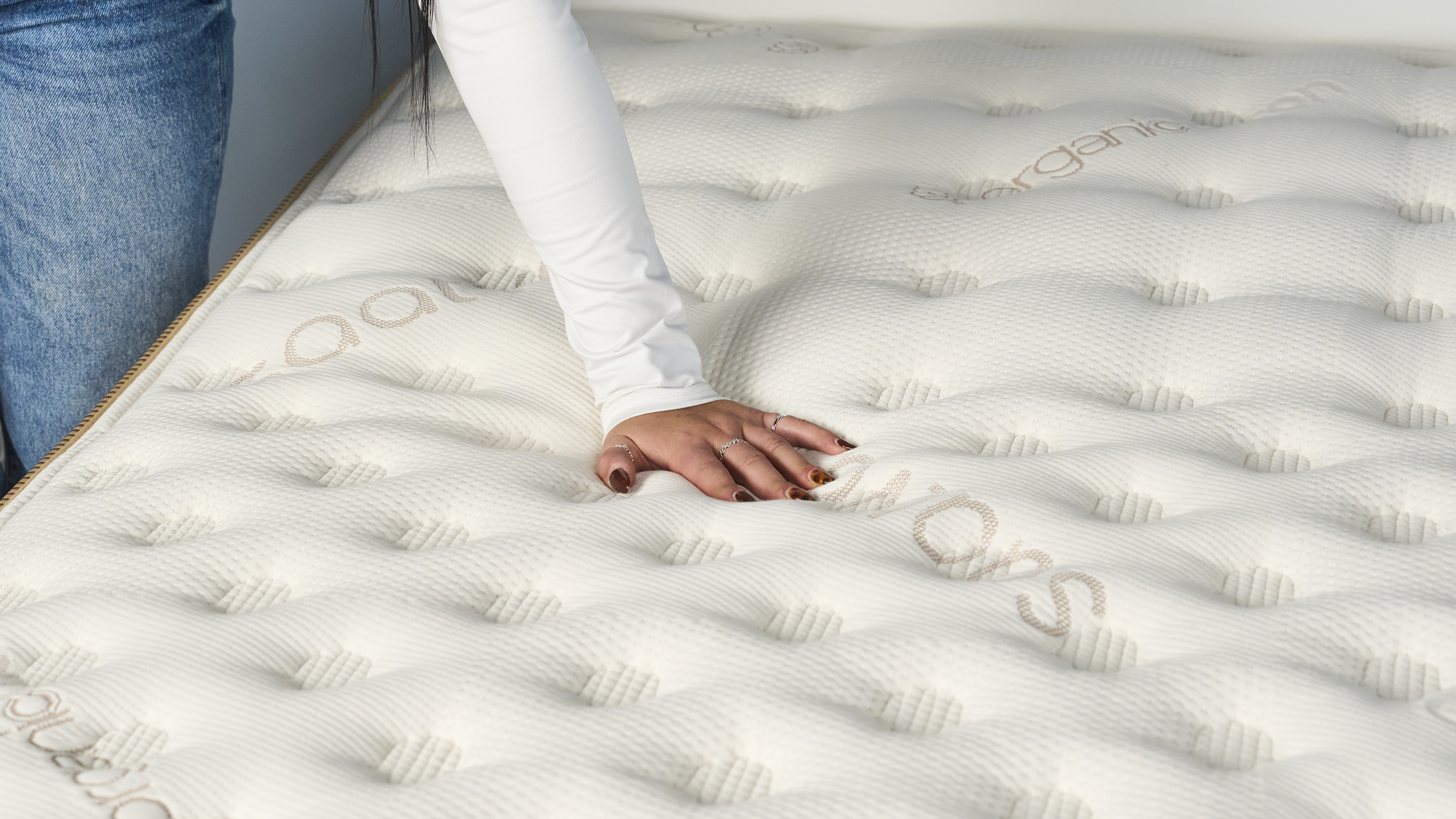
Where is lumbar support supposed to go?
Lumbar support targets the five vertebrae in your lower back. Mattresses with specialized lumbar support feature stronger coils and/or foam in the middle. However, a mattress doesn't necessarily need a zoned design to promote proper lower back support — the most important thing is that it contours to your lumbar spine.
Can poor lumbar support cause back pain?
Whether you're sitting up or lying down, poor lumbar support can create or exacerbate lower back pain because it'll cause your spine to fall out of alignment.
Firmness is also important. A mattress that's too soft will make your lower back sink below the rest of your body. If it's too hard, the mattress won't provide enough pressure relief and could even lift your hips too high.

The most telling sign your mattress has poor lumbar support is visible sagging in the middle. Less obvious signs include waking up sore (as if you just completed a workout), sleeping better away from your own bed (like on a hotel mattress), and not being able to find a comfortable spot to lie.
But even if you're sure your mattress is to blame for your lower back issues, it's still a good idea to speak to your doctor for a proper diagnosis and a tailored treatment plan that may include upgrading your bed.
3 mattresses with targeted lumbar support
If you're looking for a mattress with specialized lumbar support, here are three we've tested and can personally recommend:
4 ways to improve lumbar support in a mattress
A new mattress is often the answer for solving lower back pain, especially if it's clearly seen better days. However, if your bed is still in fine shape (and you otherwise like it), here are a few ways to boost its lumbar support:
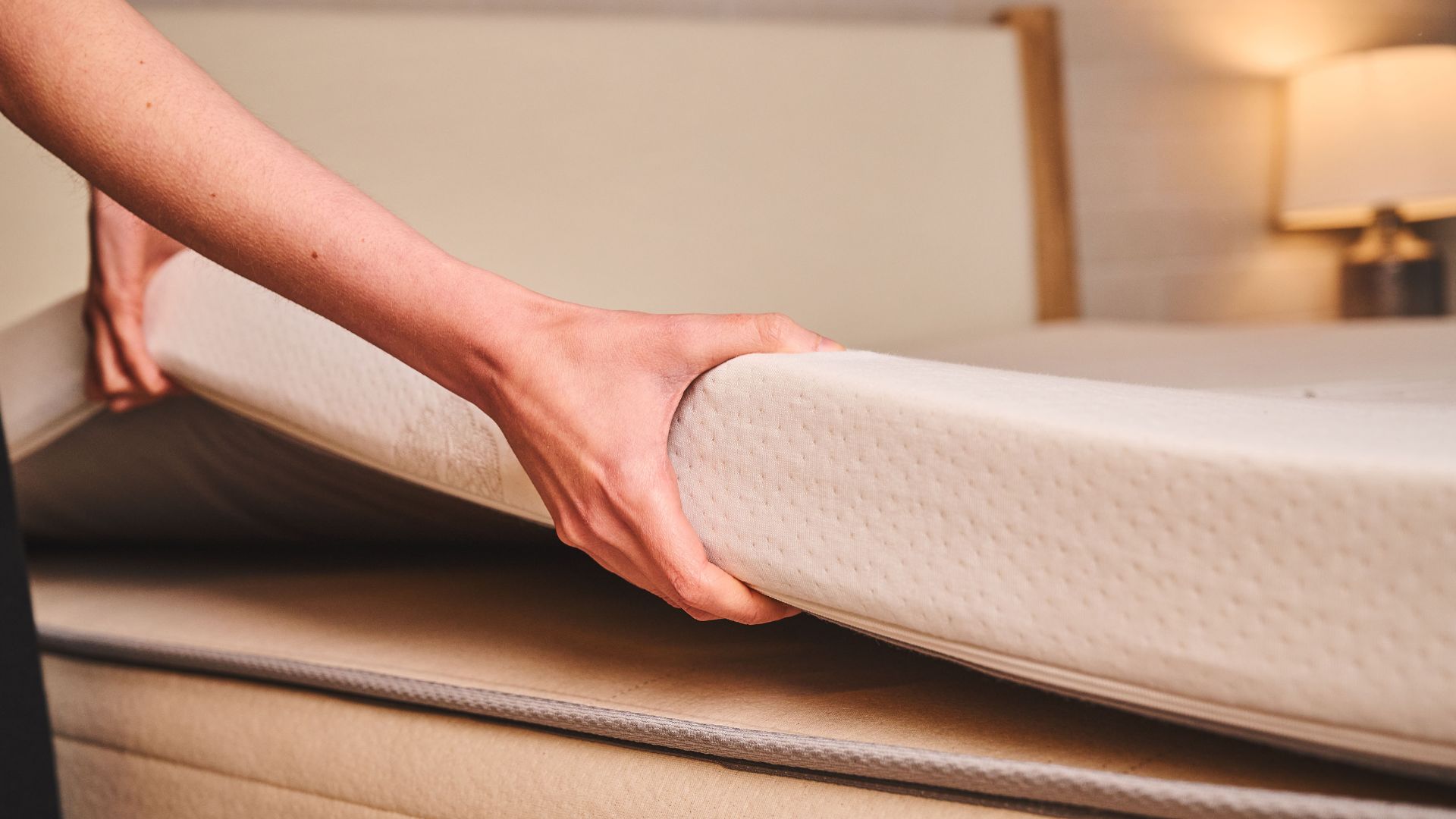
1. Add a good mattress topper for back pain
A mattress topper sits on top of your bed and alters the feel of your sleep surface. If your current mattress is too soft, aim for a firmer topper that's either made of latex or high-density foam. A mattress that's too firm will benefit from a plushier memory foam topper. It'll ultimately come down to your sleep preferences and body type. (Most mattress toppers come with a trial period.)
2. Choose the right pillow for your sleep position
Sleeping on the wrong pillow will affect your neck and shoulders — but it can also disrupt the natural 'S' curve of your spine. Your pillow and mattress should work in harmony to keep you comfortable.
Knowing how to buy the best pillow for your sleep position and body type can significantly improve the comfort of your bed. Fortunately, most pillows come with a trial so you can take your time in finding the right fit.
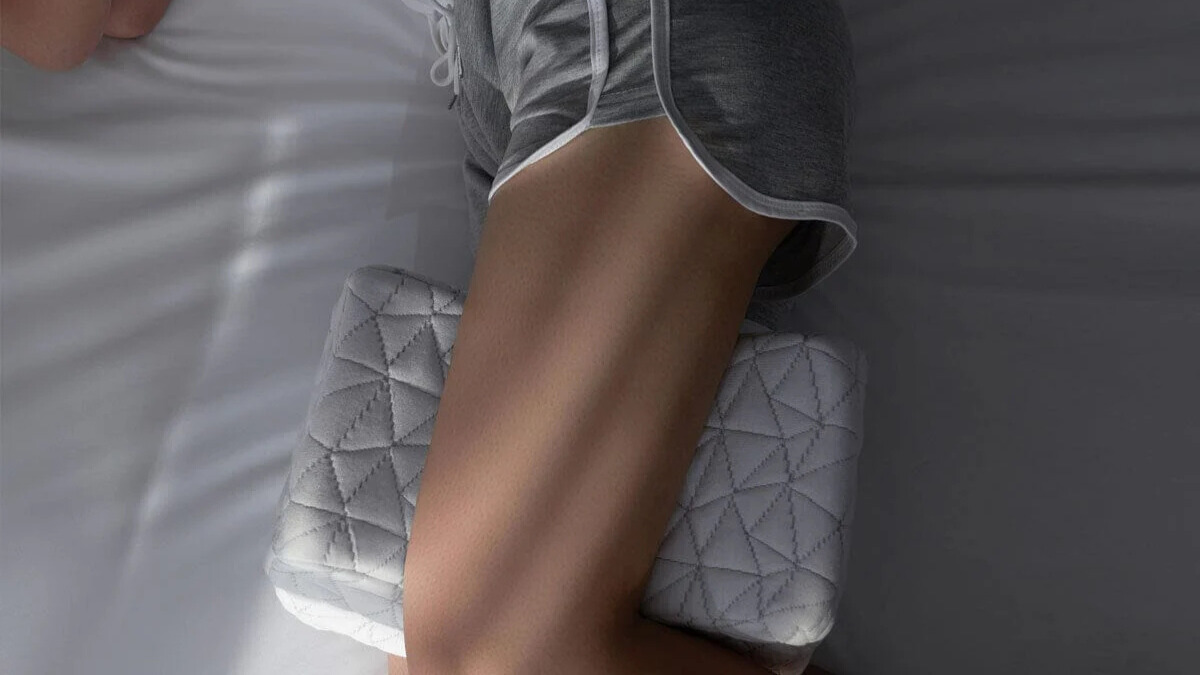
3. Place a small pillow under or between your knees
Relieving lower back pressure can be as simple as placing a pillow under or between your knees, depending on how you drop into bed at night. While you can use a regular pillow for this, a wedge pillow or a knee pillow may stay in place better throughout the night.
The Mayo Clinic recommends back sleepers place a pillow under their knees to relax their back and maintain alignment. Side sleepers will want to put a pillow between their knees to benefit their spine, pelvis, and hips.
Stomach sleeping isn't recommended if you have lower back pain but if you can't help but default to this position, try putting a pillow under your hips and lower stomach to relieve pressure.
4. Consider an adjustable bed base
Upgrading to an adjustable bed base will allow you to raise your legs so you can reduce pressure in your lower back. Advanced models feature zero gravity for a near-weightless feel, adjustable lumbar support, and a massage function to soothe aches and pains before dozing off.
If you want to explore this option, make sure your mattress is compatible with an adjustable base.