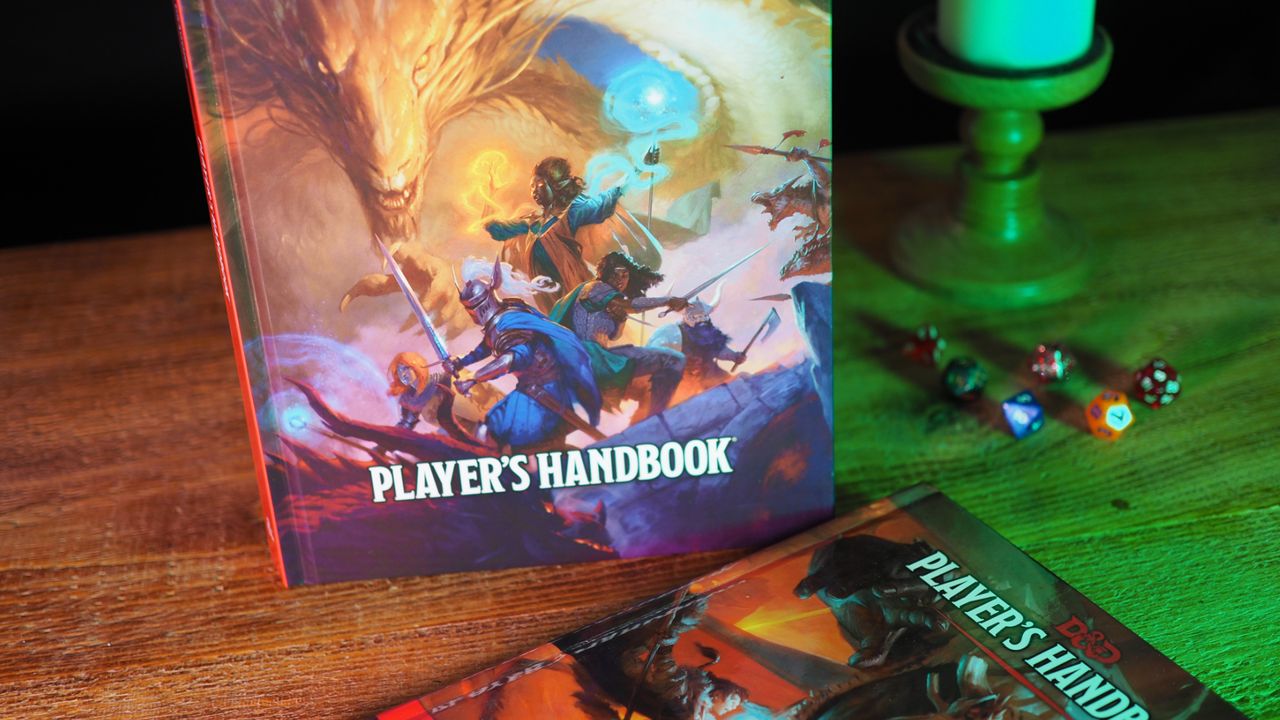
Trying to track down the best D&D class for beginners? Chances are you’ve taken a glance at the available options and are feeling a bit overwhelmed by choice. Considering that the latest Player's Handbook starts off with a whopping 12 Dungeons & Dragons classes to choose from, I can hardly blame you.
Things get even more complicated because, in spite of being able to divide the best D&D classes for beginners into two groups (martial and spellcasting), many actually sit somewhere between the two. You’ll also find that some classes have a resource of sorts that needs to be managed, such as how many spell slots a Wizard has. This, on top of the different 'flavors' for each class (officially known as 'Subclasses'), can add further complexities for players who are new to the best tabletop RPGs.
Luckily, the finest GamesRadar+ adventurers and I are here to help; you'll find a detailed guide on the best D&D classes for beginners below. I've also got some advice on next steps for any players that are new to the best D&D books. Roll for Initiative, everyone!
Best D&D class for beginners
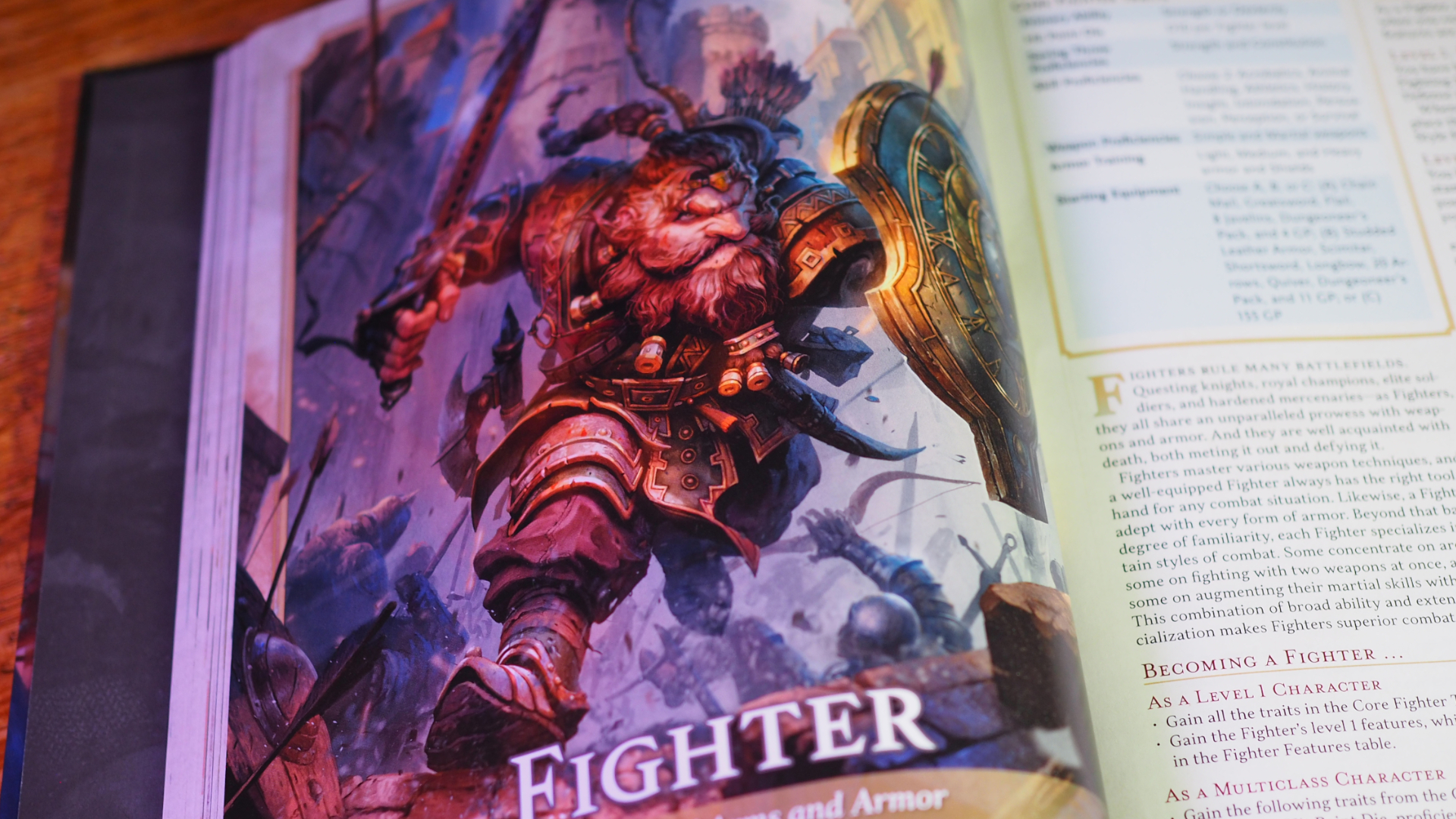
The Fighter is your typical bread and butter adventurer, a badge that often gets them labelled as "boring" or "vanilla" when compared to other classes. Don’t let this fool you though, as Fighters have just as much potential to grow into an impressive character over the course of a campaign as more complex classes. They also offer the easiest mechanics to get your head around, making them the perfect D&D class for beginners.
Within the game, any character can make a physical attack with a weapon, be that a staff, sword, or even just their bare hands. However, this will be your staple move as a Fighter. There's no fuss or complex spells to navigate – just roll to attack and dish out your weapon damage. Yes, you have a distinct "Fighting Style" to choose from and some bonus abilities that give you an edge in combat. But these aren't nearly so intimidating as they might seem. Your Fighting Style offers easy-to-understand benefits like an extra point toward defense or bonus damage, for example, while the likes of "Second Wind" can heal you in the middle of combat.
Similarly, more complicated features are introduced later on (such as the Battle Master subclass's "Maneauvers"). However, you'll have a strong grasp of the fundamentals by that stage and should be ready to tackle those new systems.
In short? For someone who needs time to learn the basic mechanics of D&D, a Fighter is the ideal choice.
Easiest D&D class for beginners
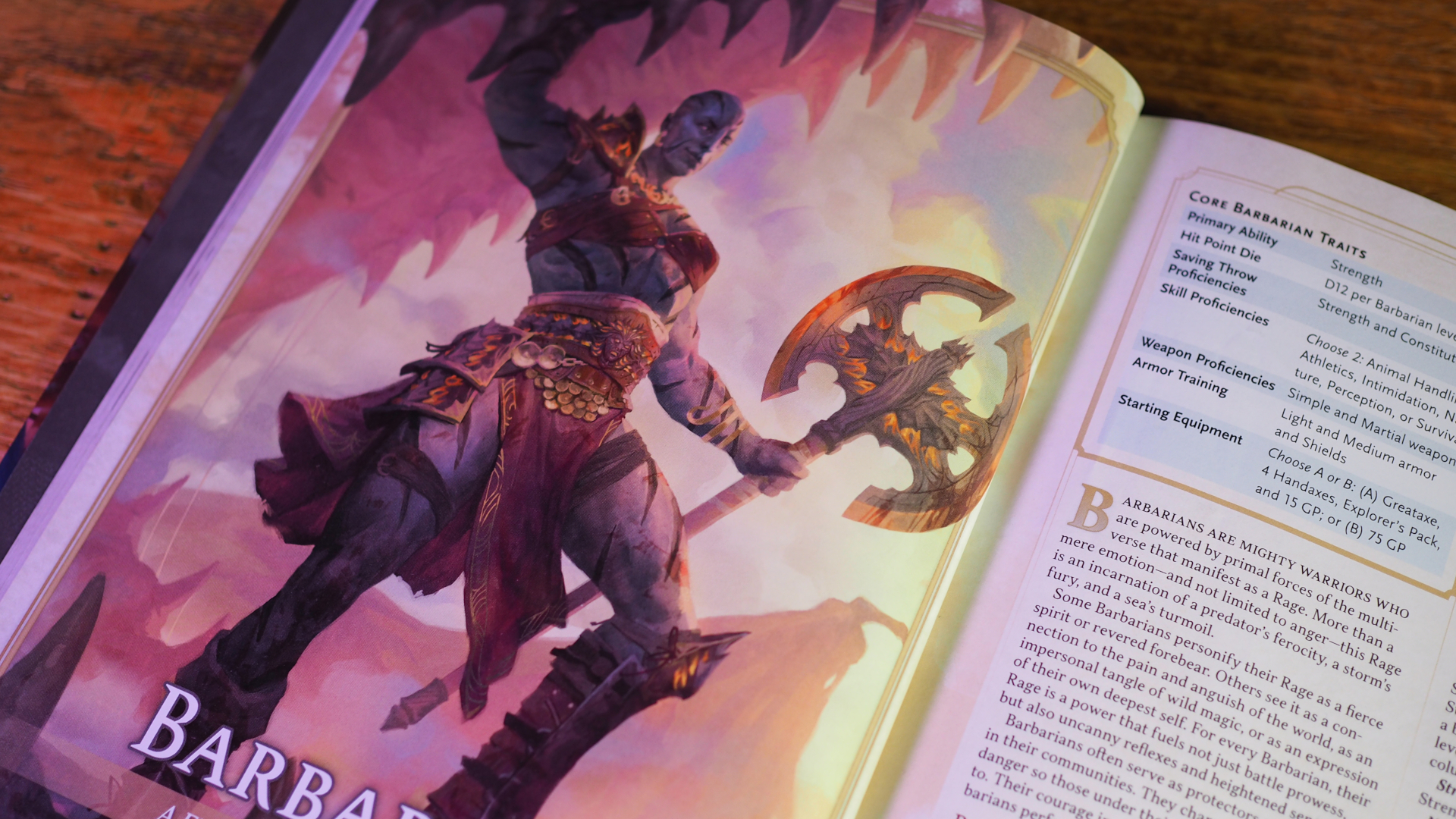
If you want the simplicity of hitting things, but with a different feel, then playing as a Barbarian could be ideal. You get many of the same skills as a Fighter, only you’re so angry that you occasionally fly into a bloodthirsty rage that gives you some additional advantages when attacking (like bonuses to Strength checks and a boost to any damage rolls that use Strength).
OK, so you can’t wear the same heavy armor that Fighters can. Nonetheless, 'Rage' has the additional benefit of making you very difficult to kill, giving you resistance to most physical damage. Barbarians also have an unarmored defense that boosts your AC (Armor Class) with additional stats, so you can hit hard without worrying too much about how hard the enemy will hit you back.
The key to using a Barbarian is all about keeping that Rage going, and smacking your enemies hard enough in one go that they can't respond. Its many subclasses emphasize this unfettered aggression when you reach level 3, so you'll quickly become a force to be reckoned with.
Best D&D class for beginners who want to use magic
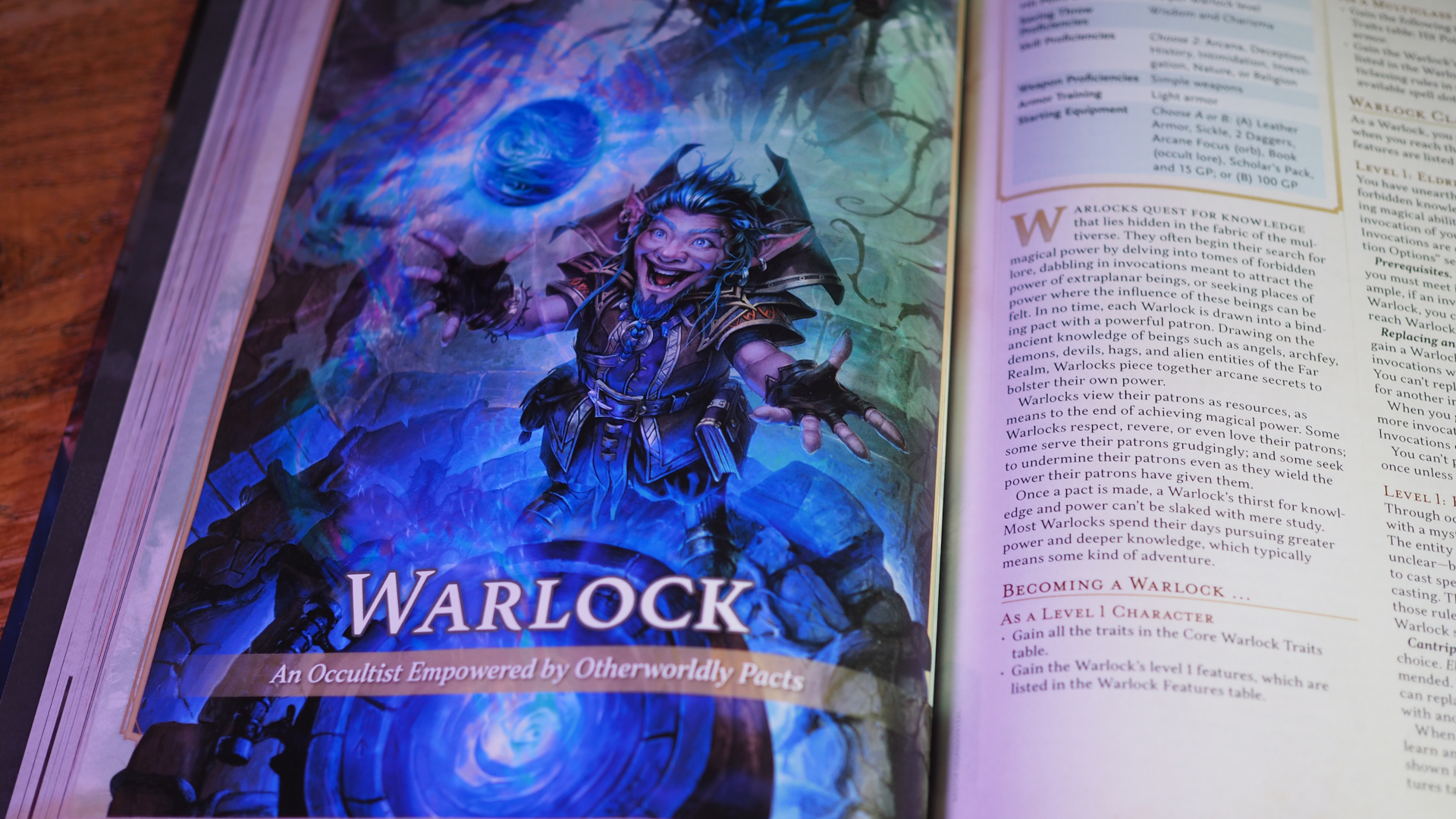
Perhaps you enjoy playing spellcasters in your favorite games, and the idea of just swinging a sword around doesn’t hold much appeal. Good news! Warlocks offer the easiest gateway into spellcasting within D&D, as they’re relatively uncomplicated compared to classes like Wizards or Clerics. While you’ll have a list of spells to choose from, this is smaller than most other 'pure' spellcasters, and you only get two spell slots to worry about.
Luckily, these will replenish on a short rest rather than the long rest required by other classes (if those terms are new to you, don't worry – they're pitstops that allow you to recharge your abilities). And because the most common action you’re likely to take as a Warlock – the Eldritch Blast cantrip – is free, there's no pressure that you’ll be rendered useless if you can’t keep an eye on how many slots you have left. Just stand far away, keep blasting at the enemy, and read through the rest of your spells to see if anything could be of use later.
While there are many additional layers you can add to a Warlock (such as feats and magic items, just as you can with any D&D class for beginners on this list), your core mechanics are far easier to remember than many of the complexities you’ll have with other spellcasters.
Sure, they’re often typecast as evil because they get their powers by making a deal with powerful patrons (such as a Fiend or Cthulhu-esque Great Old One). But how you write your character’s behavior is entirely down to you… and if nothing else, it's a baked-in source of drama you can use for roleplay.
Best D&D class for beginners who want to try everything
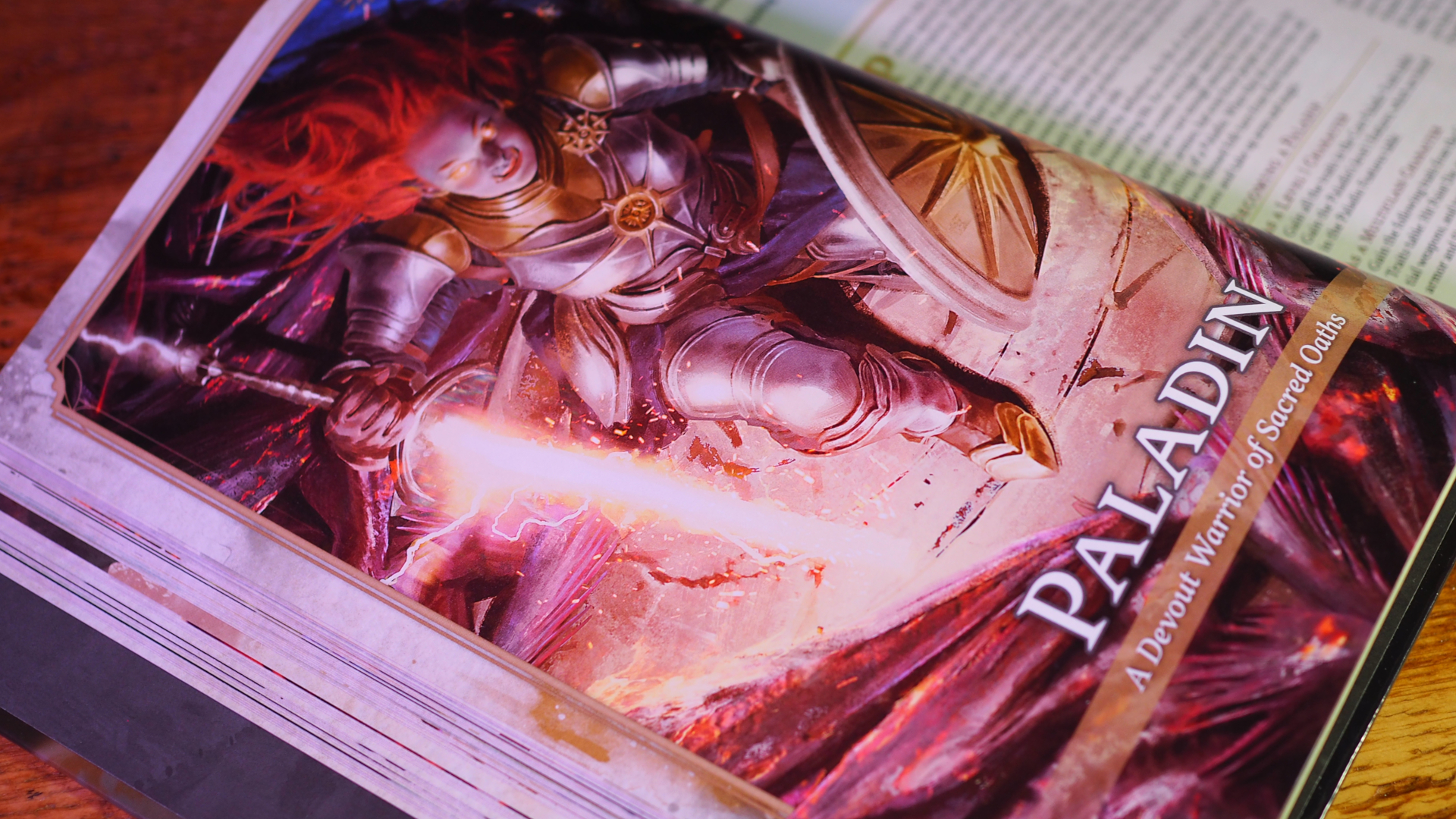
Do you, like Miley, enjoy the best of both worlds? Playing a Paladin will likely take your fancy. Although they gain magical power from the deity they worship, they're a fighter first and can usually be found wrapped in heavy armor. This emphasis on combat means that you don't need to worry too much about memorizing spells; Paladins have a shorter list at their disposal than most spellcasters, so it's much easier to follow.
Chances are you’ll be using those spell slots for one purpose anyway – righteously smiting your enemies. Paladins call upon the power of a god to beat the crap out of foes, and this can cause some seriously eye-watering damage. Healing yourself or your companions is also an option, so Paladins will help you to learn the complex skills used in more difficult D&D classes.
With all this in mind, it may not come as a surprise that they traditionally sit at the opposite end of the scale to Warlocks – it's common for them to be portrayed as law-abiding heroes with a strong sense of justice. Nevertheless, it's worth pointing out that there are plenty of gods in the pantheon better known for evil deeds than good ones…
Speaking of gods, a Paladin's religious background offers a great way to get into the lore of Dungeons & Dragons. Because their powers are bestowed upon them by one of the many deities in D&D's pantheon, they provide a glimpse at the world beyond simple adventuring.
Best ranged D&D class for beginners
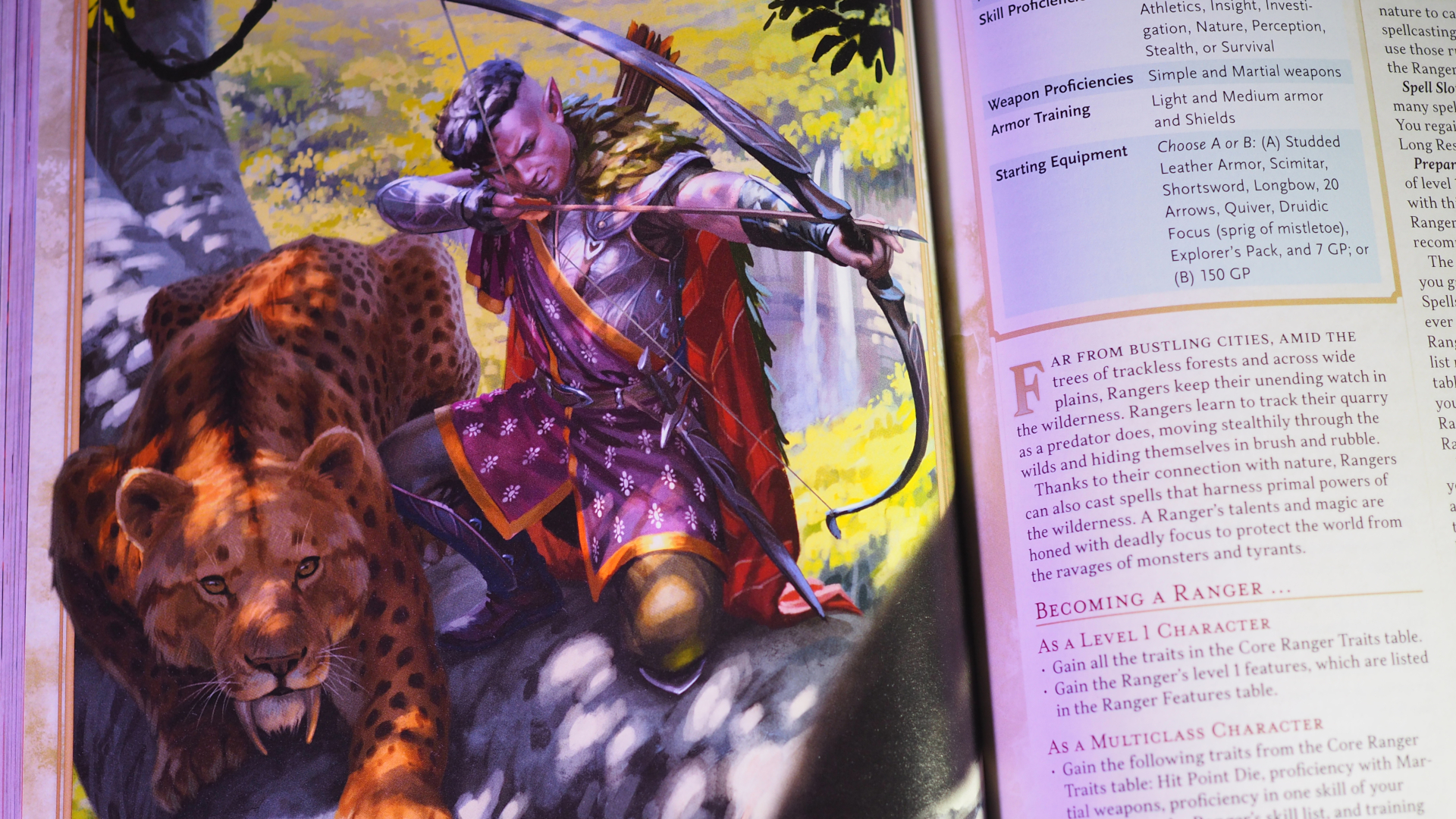
This one's ideal for anyone that's fond of keeping foes at a distance and peppering them with arrows. Even though Rangers can become somewhat complicated after a few levels (though you can add as much or as little complexity to the character build as you desire when you level up), the early game sees you simply popping off shots with your bow from afar.
Not that you'll 'just' be a glorified archer. As a Ranger, you also have access to a small list of spells. The most common of these is Hunter's Mark, and it allows you to deal extra damage whenever you hit the targeted creature with an attack.
You have options that allow you to control an animal companion too, so there’s plenty of utility to make a Ranger feel unique. Want a friendly bear to follow you around like Trinket from Critical Role or The Legend of Vox Machina? This is the class for you.
Next steps and FAQ
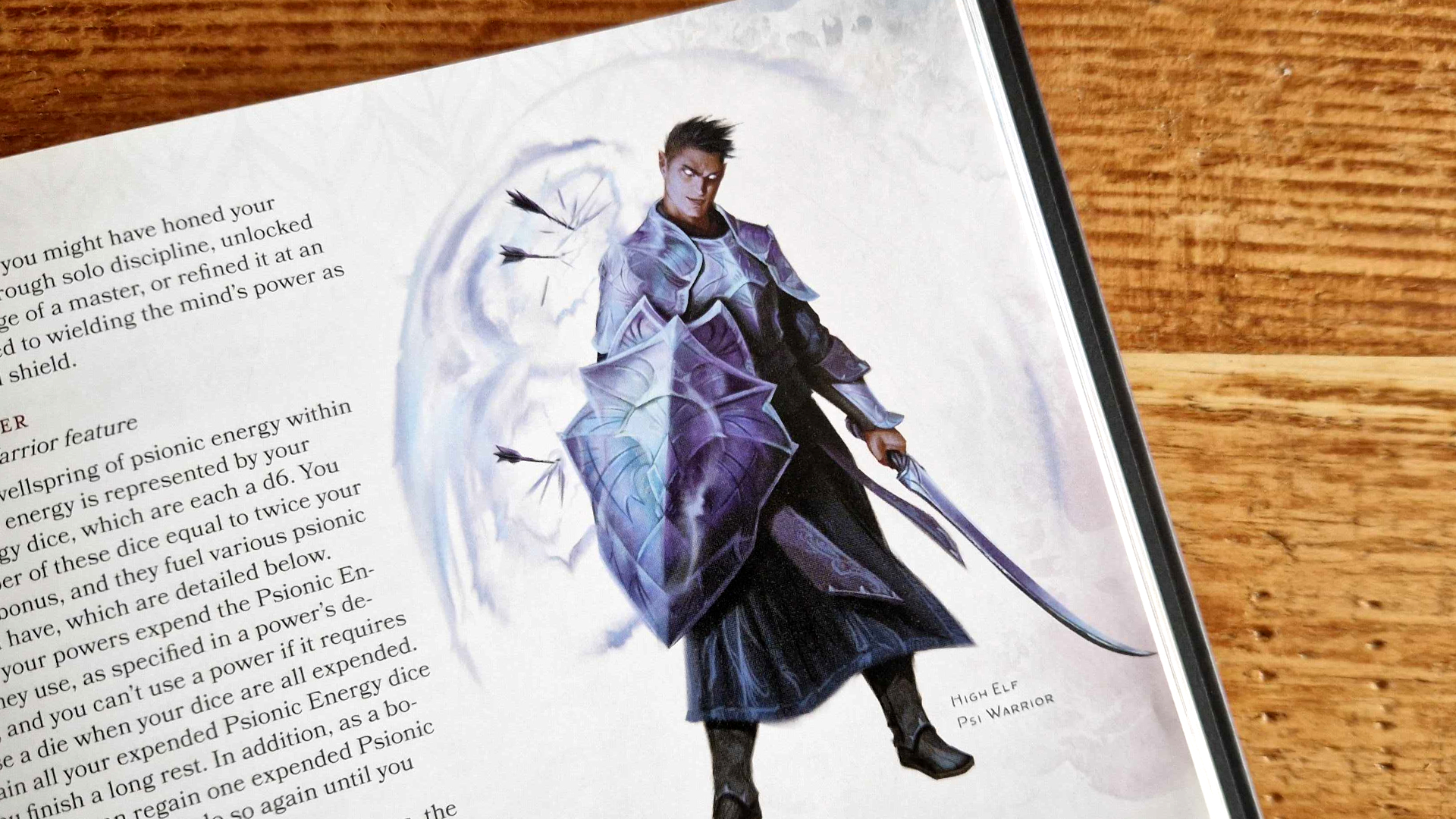
Some final notes to leave you with before you start planning your first ever character: just because something is ranked on this list as being a difficult or easy D&D class for beginners, don't think you shouldn’t play something that resonates with you.
In the same breath, if you’re a Dungeon Master planning a first session for a group of people new to D&D, please don’t tell them they can’t play specific classes because of their difficulty. Many people fall in love with this game because they have the freedom to play whatever they like. It’s what sets tabletop RPGs apart from video games, and restricting players away from specific classes or, in some instances, the entire list of pure spellcasters, could ruin the opportunity for a newbie to connect with their character. We were all new to this hobby once, so some research and helpful guidance will go a very long way!
What is the best D&D class for beginners?
If you're trying to find the single best D&D class for beginners, I'd suggest using the Fighter. It strikes a great balance of being easy to understand in combat, but adds more complex abilities later once you've mastered the basics.
However, a lot of it comes down to the kind of adventurer you want to play. Here are some suggestions based on use-case:
You want to hit stuff: Barbarian
You want to use spells: Warlock
You want to magic and combat: Paladin
You want to shoot things at a distance: Ranger
Are there any D&D classes beginners should avoid?
Although I don't think there are any classes you should actively steer clear of, a few are harder to get to grips with than others. The Wizard is chief amongst these, as it's pretty complex thanks to a wealth of spells, spell slots, and more. If you want the easiest entry-point to D&D, I'd opt for something else - perhaps a Warlock if you want accessible magical action.
Looking for more helpful tips? Here's how to start playing D&D, and how to play D&D online.