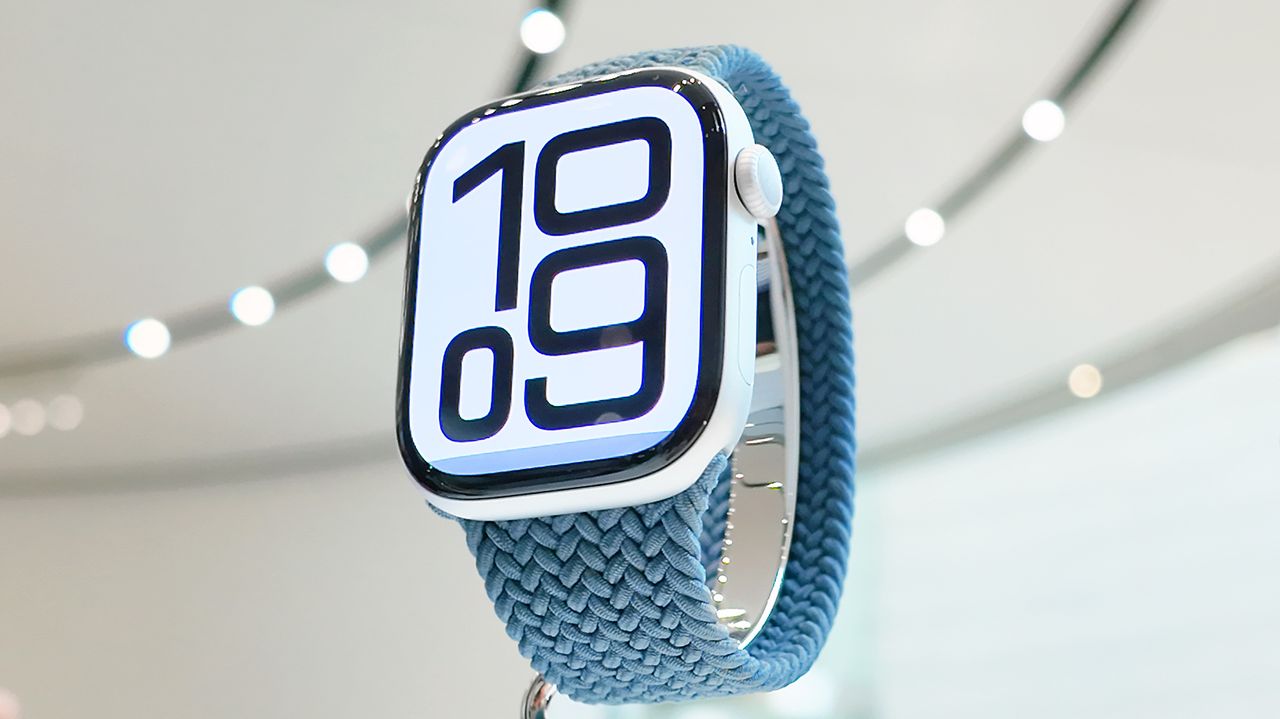
The US International Trade Commission has ended the long-running dispute over blood oxygen monitoring on the Apple Watch. Apple has been in legal hot water with rival Masimo, which claimed to own the patents behind the tech, since it added blood oxygen monitoring to the Apple Watch Series 6 in 2020. The smaller company accused Apple of stealing trade secrets to build the health feature.
Apple managed to have all but two of the 17 patents invalidated in September 2023, but despite that, in December 2023, the U.S. International Trade Commission (ITC) upheld a ruling stating that Apple violated Masimo’s patent, which partially halted sales of the Apple Watch 9 and Apple Watch Ultra 2.

In January 2024, Apple began selling the Series 9 and Ultra 2 without the blood oxygen sensor, a policy that remained the norm until August 2025. Apple’s next workaround bypassed the ban by using devices sold in the US to track blood oxygen levels to collect raw data, but all calculations and reporting would be shifted to the iPhone. This meant devices sold in the US worked a little different to models sold in other countries, where the SpO2 readings can be displayed on the watch itself.
Masimo then sued US Customs for clearing the Apple Watch blood oxygen feature. In a ruling dated April 17, 2026, the ITC formally said that it will not review any further petitions from Masimo.

What does this mean for Apple Watch wearers?
The ruling terminates the case, which means Apple can now sell models with a redesigned blood oxygen sensor in the United States. It’s not clear whether Apple will roll out an update to allow existing Apple Watch wearers to see SpO2 readings on their devices themselves, or whether this ruling will only change future devices on sale in the US.