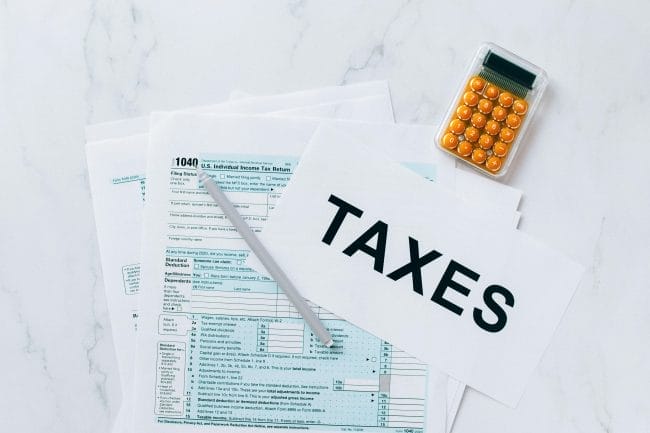
Tax season is stressful enough without the fear of an IRS letter. You try to be honest and gather your receipts. You trust the software to guide you correctly. However, significant filing discrepancies are causing a spike in automated IRS notices this year. The system is becoming more automated, and algorithms now look for very specific income mismatches. Because automated matching focuses heavily on wage earners and gig workers, middle-income filers often feel the impact most. This isn’t just a simple mistake; it is about how the IRS uses new digital data to verify returns. Today, we reveal the common errors that can trigger an audit and how to avoid them.
The Danger of Misreporting Side Hustle Income
Honestly, the rise of the 1099-K has changed the game for everyone. If you sell items on eBay or use Venmo for business, the IRS receives that data. A common error involves failing to reconcile bank deposits with reported income. Even a small discrepancy can trigger an automated flag because the IRS system now cross-references your digital payments with your tax return with surgical precision. Missing a significant amount in gross receipts can quickly mark you as a high-risk filer. According to the IRS, reporting all income is the only way to stay safe. Your digital footprint is their primary roadmap for verification.
Why Overstating Home Office Deductions Is a Red Flag
Surprisingly, many people think the home office deduction is a free pass. Since more adults work from home, the IRS has tightened the rules. To claim this deduction, you must use the space exclusively and regularly for business. If you use your dining table for both work and family, it does not qualify. Claiming a full room as an office when it serves as a guest bedroom is a frequent mistake that invites unwanted scrutiny. The deduction must be proportional to your overall income. If your business expenses appear unusually high, the algorithm may pull your return for review. IRS Publication 587 clarifies that accuracy is your best defense against a human audit.
The Charity and Business Expense Trap
Here is the truth about tax deductions. The IRS systems are trained to flag rounded numbers and large, unverified expenses. If you claim an even amount in donations or travel without keeping meticulous records, you face potential trouble. Documentation is the only thing that stands between you and a significant fine. The system often flags returns where taxpayers estimate their costs rather than using exact figures from their records. This lack of precision signals to the IRS that your return may require a closer look. Keeping meticulous records throughout the year is the only way to protect yourself. A simple folder of receipts can save you thousands in the long run.
Staying Safe from Automated Tax Enforcement
The tax system is increasingly tilted toward automated enforcement. However, you can navigate it safely by staying organized. Avoiding common filing errors requires extreme attention to detail. Do not let your tax software make assumptions for you; verify every number before you hit submit. You deserve to keep your hard-earned money and live without the stress of an unexpected audit. Being proactive is the ultimate way to lower your risk. It is not your fault the rules are complex, but it is your responsibility to follow them accurately. Knowledge is your best shield against the IRS machine. Have you ever received a notice for a tax mistake? Leave a comment below and share your tips with the community.
What to Read Next…
What to Read Next…
- 10 Signs a Man Is Hiding Something, According to Relationship Therapists
- The Psychological Money Triggers That Sabotage Stable Partnerships
- The 7 Early Money Signs That Mean He’s Bad News Financially
The post The $5,000 Filing Error That’s Getting More Taxpayers Flagged This Year appeared first on Budget and the Bees.