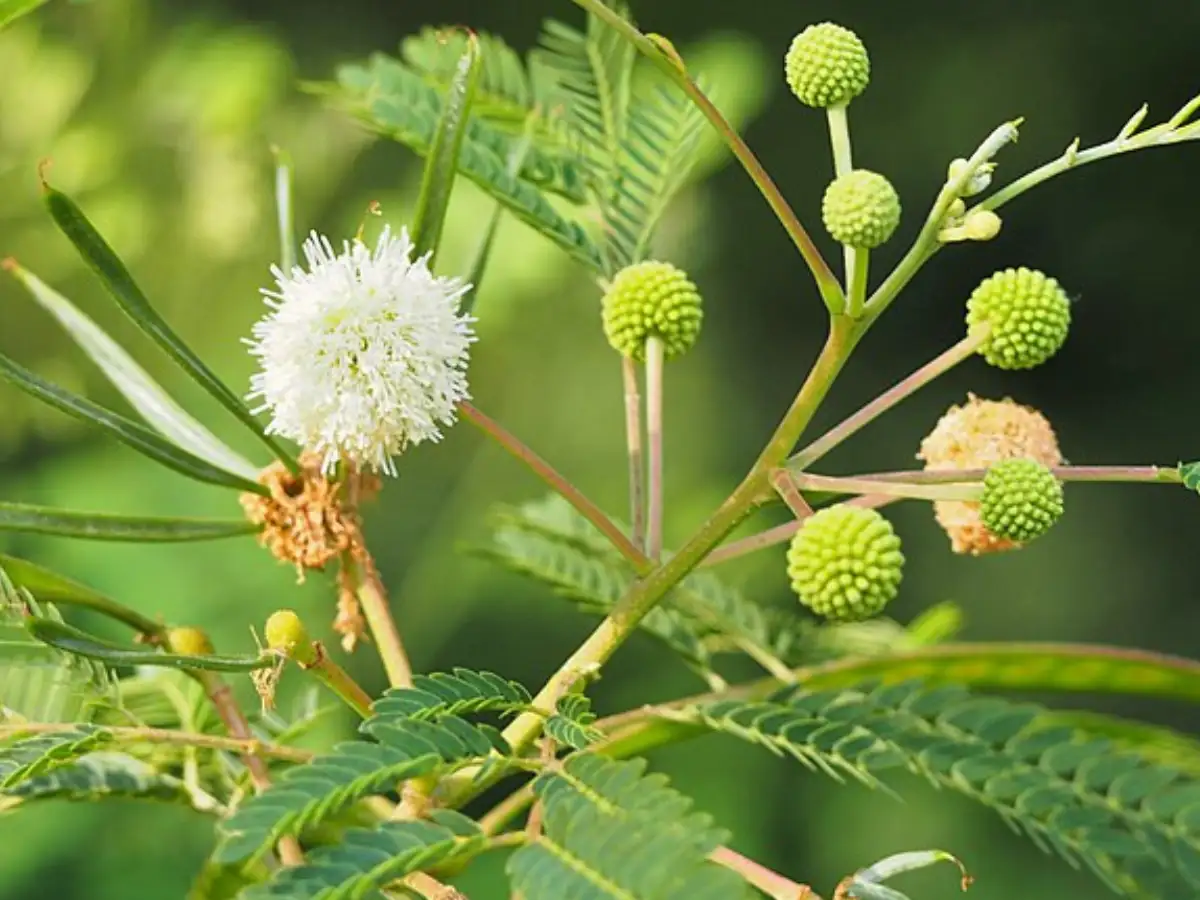
A country plants trees with good intentions, hoping to heal degraded land and feed livestock. Decades later, scientists discover those same trees are quietly choking out the forest they were meant to help. That's exactly what's playing out in Thailand with a plant called Leucaena leucocephala, and it's a story that says a lot about how even well-meaning environmental fixes can backfire.
A tree with a good reputation gone wrong

According to Kasetsart Journal of Natural Sciences, researchers studied a Leucaena plantation right next to a patch of remnant natural forest in the Khao Phuluang Ecotourism Development Project in northeastern Thailand. They wanted to see what was happening to native tree seedlings and saplings as you moved from the healthy forest toward the Leucaena stand.
The transect data showed 16 species from 16 genera and 11 families in the plantation, where Leucaena itself reached 1,196.7 stems per hectare and a basal area of 13.92 m² per hectare. That density formed a closed canopy, reducing floor-level light to 18.5 ± 5.5%, and the authors found native tree, sapling, and seedling densities all dropped sharply from the remnant forest into the plantation, with ANOVA showing highly significant differences.
The results were stark: species diversity inside the Leucaena plantation was low, with only 16 species from 16 genera and 11 families recorded, and the closer you got to the Leucaena, the fewer native seedlings and saplings survived.
If you're picturing a scrappy little shrub, think again. The study measured nearly 1,197 Leucaena stems per hectare, creating a dense canopy that reduced light at the forest floor to levels close to those inside an untouched forest. That sounds fine until you realize this is a monoculture blocking that light, not a diverse ecosystem sharing it.