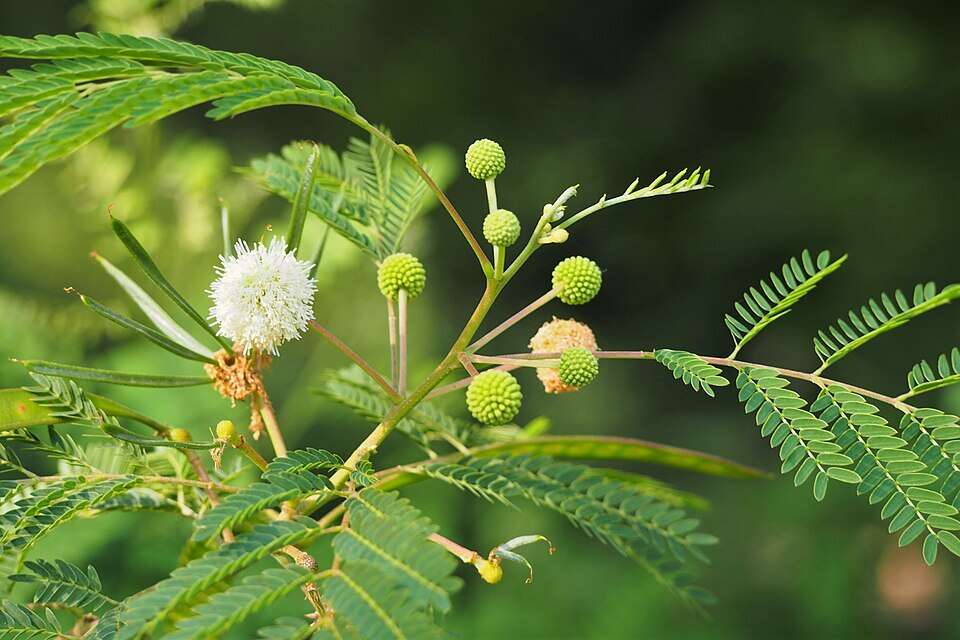
Tree planting has always been viewed as one of the most effective means of bringing about restoration of degraded landscapes, tackling the impacts of climate change, and improving the lives of rural populations. However, it is not necessarily every tree planted that proves to be useful in the long term. In Thailand, a massive project to plant trees, which started in the 1950s, led to millions of trees of a species called Leucaena leucocephala or the leucaena, being planted to bring about the restoration of barren lands and feed animals. Although the fast-growing tree had proven very successful in the first few years, it has now become a serious ecological problem for scientists.