Get all your news in one place.
100’s of premium titles.
One app.
Start reading
International Business Times UK
World
David Unyime Nkanta

Thailand-Cambodia Border Crisis: Five Civilians Killed, Hospitals Close, Bedridden Patients Displaced

Thailand launched airstrikes against Cambodia on Monday after fresh clashes along their disputed border killed at least five people and forced nearly 400,000 civilians to flee their homes.

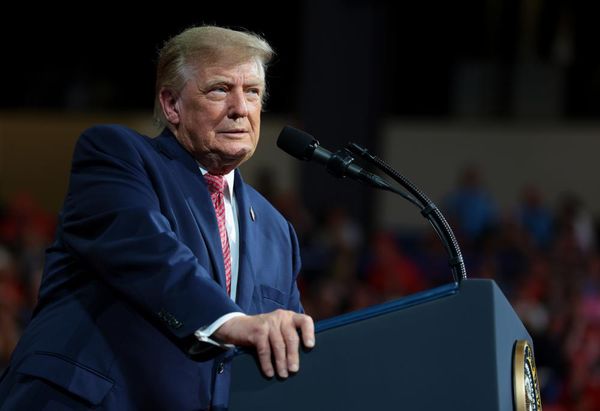
The fighting has dealt what could be a severe blow to a ceasefire agreement brokered by US President Donald Trump just two months ago, CNN reported from the region.

Both nations blame each other for reigniting hostilities that began with gunfire on Sunday and escalated to air raids by Monday morning, marking the worst violence since deadly clashes in July left dozens dead.

As the crisis deepens, hospitals have shut down, civilians are fleeing en masse, and international leaders are urging restraint before the conflict widens.

Close-Down Of Hospitals, Patients Displaced

Due to the violence that is on the rise, healthcare facilities on the border have been compelled to close operations and evacuate patients. Four hospitals in Sa Kaeo Province, Ta Phraya Hospital, Khok Sung Hospital, Aranyaprathet Hospital and Khlong Hat Hospital have closed down all regular outpatient and inpatient services. Only significant emergencies will be served.

In the meantime, patients from other red-zone border hospitals, such as Kantharalak Hospital, have been transferred. The national health ministry says 120 or more were relocated in Kantharalak alone.

These shutdowns only make the lives of the already vulnerable, who are elderly and bedridden patients, even more difficult: now they are not only displaced, but critical medical services are interrupted, and regular treatments are put on hold.

Mass Evacuation And Dislocation

Thai authorities ordered mass evacuations of the border provinces as the battles escalated. The military claimed that there have been over 385,000 displaced civilians in Thailand alone, and several thousand Cambodian families have fled their homes.

Besides the four deaths of the civilians, the air strikes were resumed after the Thai armed forces had reported that a Thai soldier was killed and several more wounded, which made the Thai armed forces retaliate.

The violence has been the worst violation of the peace since the clashes of the previous summer that left dozens of people dead and tens of thousands displaced.

Humanitarian Effects Increasing—Hospitals Overcrowded

The attack on the border hospitals and the necessity to evacuate the severely ill show the humanitarian cost the conflict has been assuming. There have been warnings by the medical professionals and the rights organisations that the destruction of civilian infrastructure, including health and religious establishments, is a serious act of violation of international law.

The earlier conflict in July already led to the closure of several hospitals, and the authorities revealed the closure of at least nine hospitals amid the surging civilian casualties.

The new shutdowns further increase the threat to the vulnerable patients, especially those chronically ill or unable to move freely, who are now left without access to the necessary care or secure shelter.

Fragile Peace: Ceasefire In Tatters

The recent hostilities have ruined a peace a few weeks earlier than was arranged by global negotiators - a tentative agreement heralded as a method of stabilising the border and averting additional civilian casualties.

Both Bangkok and Phnom Penh have gone back and forth on which side started the fighting again: Thai authorities claim that the air strikes were in retaliation for Cambodian aggression and the use of landmines, whereas Cambodian authorities claim that no attacks have been made and that Thai authorities provoked them.

Concern Grows Over Long-Term Civilian Consequences

The frequent targeting of civilian infrastructure, particularly hospitals, and the displacement of people and families may cause irreparable harm in the long term. It may take months and perhaps years after the fighting is stopped to recover medical services.

Also, interruption of health, displacement of susceptible individuals and rupture of emergency care could result in increased morbidity, chronic diseases and post-traumatic stress disorder in the impacted populations.

The international community also threatens that the lack of protection of civilian people and the protection of medical facilities may constitute a significant breach of international humanitarian law as the war progresses.

Sign up to read this article
Read news from 100’s of titles, curated specifically for you.
Already a member? Sign in here
Related Stories
Top stories on inkl right now
One subscription that gives you access to news from hundreds of sites
Already a member? Sign in here
Our Picks
Fourteen days free
Download the app
One app. One membership.
100+ trusted global sources.