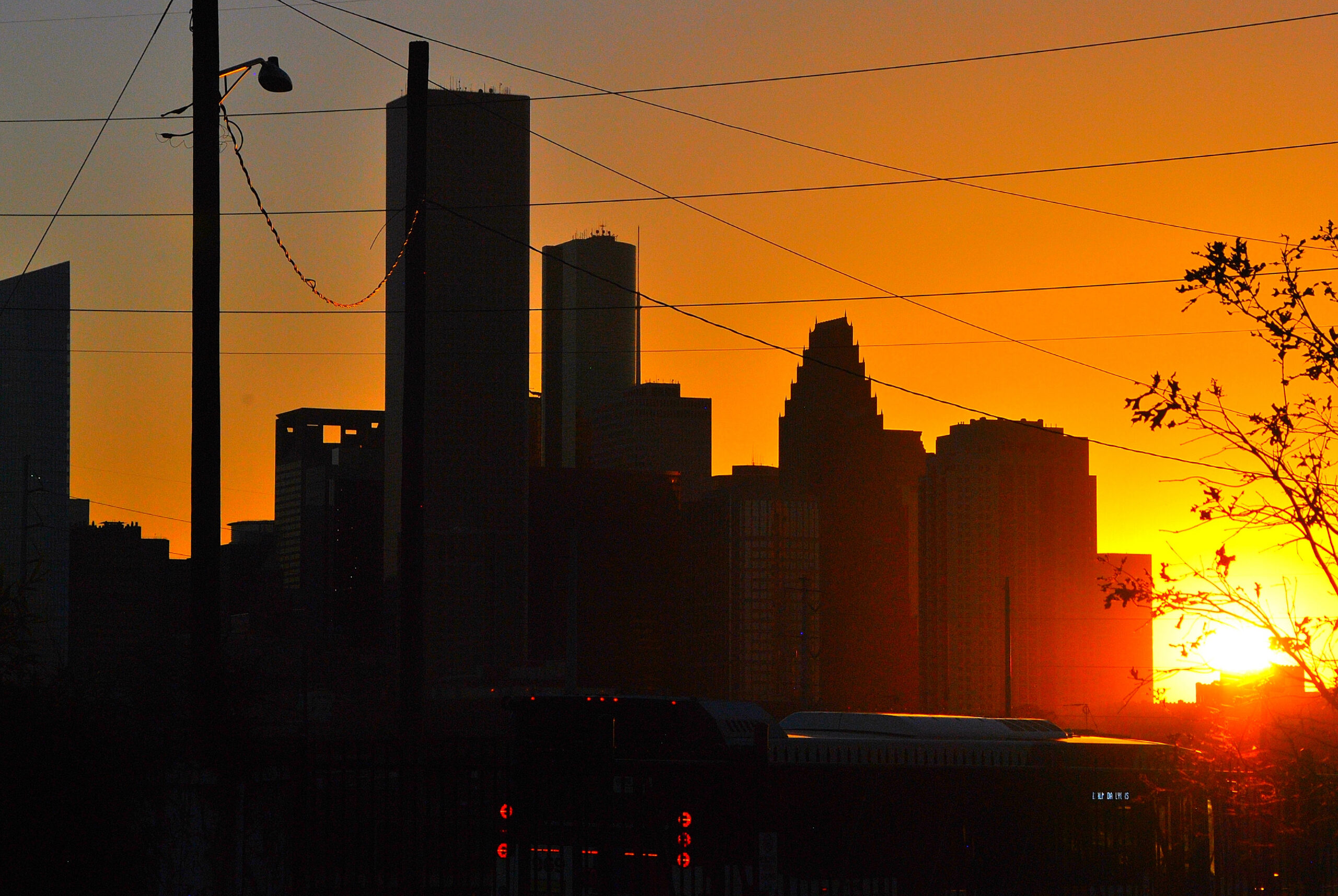
Texas is heading into summer 2026 with a power grid under pressure from two directions. Data centers and large computing facilities are adding enormous, continuous electricity demand. At the same time, summer nights are getting warmer, reducing the overnight cooling the grid once relied on, keeping residential air conditioners running long after dark. Regulators are still writing the rules for those new industrial loads, but Electric Reliability Council of Texas (ERCOT) planning documents already show where the pressure is building: in the evening hours, when solar output fades but demand does not. That is where cooling homes that cannot cool down and data centers that never switch off collide, and it is exactly where the grid is most exposed.
There is a moment in a Texas summer night, usually around 2 a.m., when you expect the heat to finally relent. For most of the 20th century, that moment was reliable. Engineers built demand curves around it. Rate structures were calibrated to it.