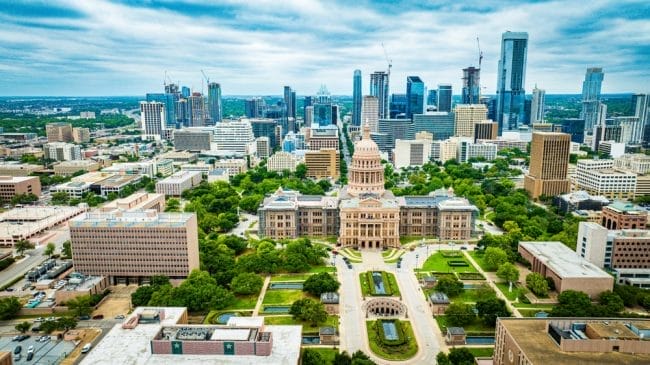
The legend of Texas is built on the idea of rugged independence and a ‘tax-free’ lifestyle that lures thousands of new residents every single month. But if you have lived in the Lone Star State for more than one tax cycle, you have probably noticed that your savings are mysteriously vanishing elsewhere. In 2026, the reality of the Texas tax system is becoming harder to ignore: while there is no state income tax, the government still needs to keep the lights on, and they are getting that money from your home and your shopping cart. Honestly, it is not your fault if you feel misled; the ‘no income tax’ headline is a brilliant piece of marketing that hides a system of aggressive local levies. We are going to expose who is actually carrying the heaviest burden in the Texas economy.
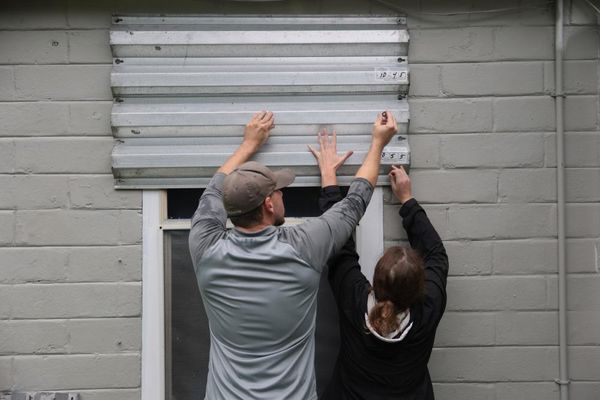
The Property Tax Weight on Middle-Class Homeowners
Texas consistently ranks among the states with the highest property tax rates in the nation, often sitting in the top ten. While you aren’t paying the state a portion of your paycheck, you are paying your local school district and county a massive ‘rent’ on the property you supposedly own. In 2026, even with recent legislative attempts at buy-downs, many homeowners find that their annual tax bill rivals what they would have paid in income tax in a ‘high-tax’ state. According to the Tax Foundation, Texas has one of the highest effective property tax rates in the U.S. Surprisingly, this system hits the middle class the hardest as property values have skyrocketed while wages have not always kept pace.
The Sales Tax Trap for Low-Income Families
Because Texas relies so heavily on consumption taxes, the burden is shifted significantly onto those who spend the highest percentage of their income just to survive. With a combined state and local sales tax rate that often hits 8.25%, every grocery run and household essential carries a heavy surcharge. Here’s the truth: this is a regressive system. Data from ITEP shows that the bottom 20% of earners in Texas pay a much higher share of their income in taxes than the top 1%. While a millionaire doesn’t feel an 8% tax on a new appliance, a family living paycheck to paycheck finds it to be a major barrier to financial stability.
The Real Winners of the Lone Star State
The true beneficiaries of the Texas tax code are high-income earners who don’t own high-value real estate. If you are a renter with a seven-figure income, you are essentially living in a tax haven. However, for the average family with a mortgage, the total tax burden can actually be higher than in states with a modest income tax. It is an insider reality that many newcomers only discover after they have already moved. Ultimately, the no tax dream is a selective one that requires careful financial navigation to truly benefit your family. Do you feel like you’re actually saving money in Texas, or are the property taxes eating your gains? Leave a comment below and let’s compare the real numbers.
What to Read Next…
- Georgia Income Tax Could Drop to 3.99% — Here’s Who Benefits Most
- Georgia Tax Proposal: Senate Leaders Push Long-Term Plan to Phase Out Income Tax
- Texas SNAP Crackdown: 3‑Month Limit Returns for Adults Without Dependents in 2026
The post Texas Has No Income Tax — So Who Actually Pays the Most? appeared first on Budget and the Bees.