
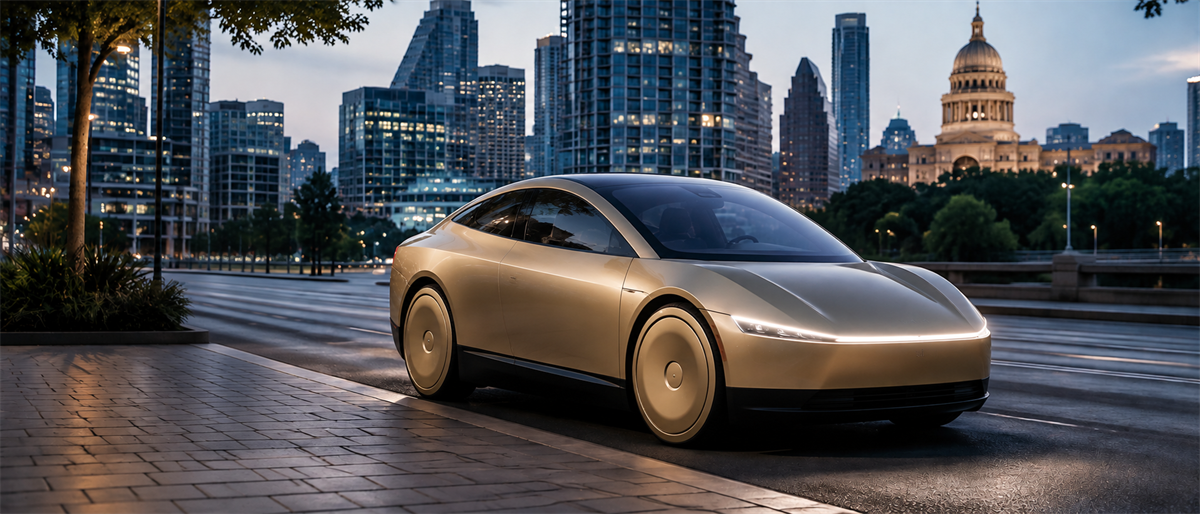
The narrative around driverless cars has floated in the realm of speculative research for years, but the timeline has just accelerated. Internal directives preparing for an August commercial rollout of a purpose-built, steering-wheel-free vehicle in Austin signal that autonomous mobility is finally arriving on public roads.
When autonomous vehicles transition from closed-course testing to generating revenue, the entire baseline for what a physical ride costs begins to crack. This shift from human-driven variable costs to capital-intensive autonomous fleets threatens to rewrite the fundamental economics of the broader mobility sector. Understanding the mechanics of this disruption could help investors evaluate legacy platforms and adjust portfolio exposure accordingly.