Get all your news in one place.
100's of premium titles.
One app.
Start reading
The Times of India
The Times of India
World
TOI World Desk

Tanzania restores Mpiji River after deforestation, planting trees to rebuild wildlife habitats now

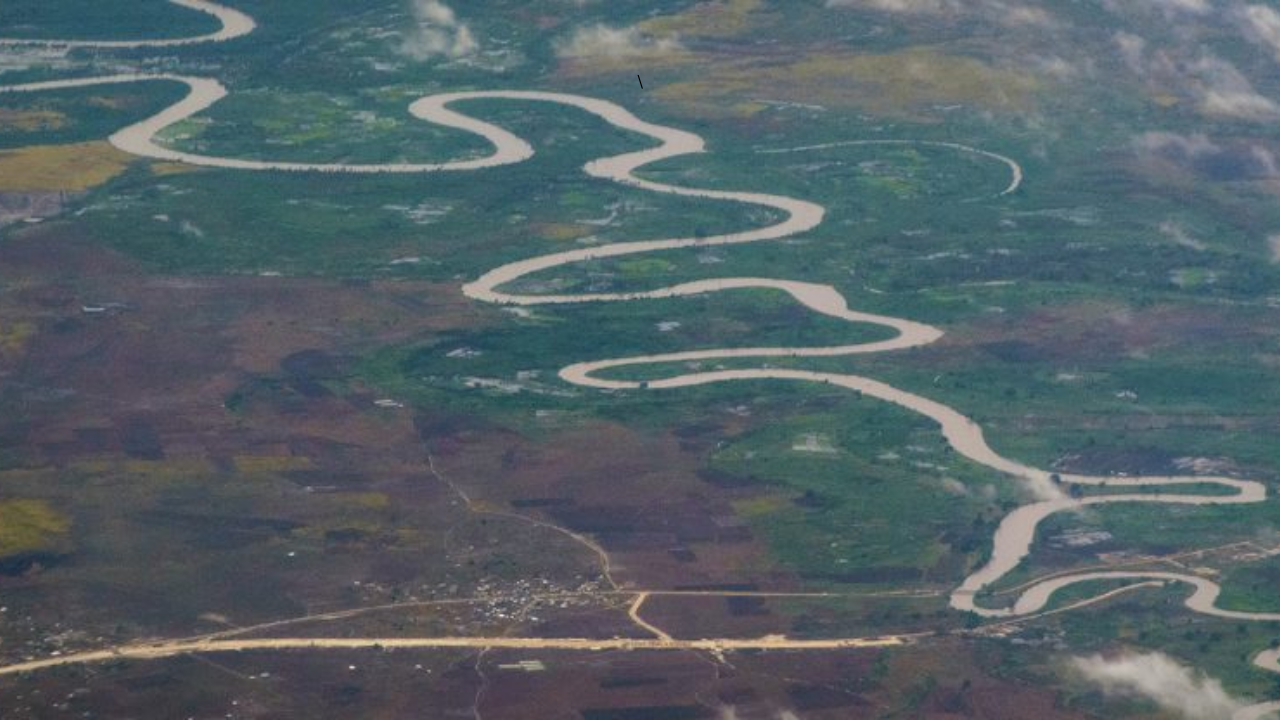
Tanzania has begun restoring the Mpiji River through a community-driven project focused on rebuilding native vegetation and wildlife habitat after years of environmental neglect and deforestation. The initiative centres on planting indigenous tree species, rehabilitating land and increasing local biodiversity around the river. According to the Institute of Environment, Climate and Development Sustainability (IECDS), native vegetation is intended to improve resilience to local climate conditions, provide better habitats for wildlife, support ecological balance, sequester carbon and stabilise soil. Funded by NCBA Bank Tanzania, the 12-month project has four objectives: ecosystem restoration, community engagement, biodiversity enhancement and climate change mitigation.

Get breaking news anytime, anywhere. Download the TOI app now!

How can native trees restore wildlife habitat along the Mpiji River

A central part of the Mpiji River restoration project is the planting of native tree species. The use of indigenous vegetation is intended to help restored areas become more resilient to local climate conditions while providing better habitats for wildlife and maintaining ecological balance. The tree planting is therefore being carried out as part of wider efforts to rebuild vegetation around the river.

The restoration work is also intended to address environmental pressures linked to climate change. Native vegetation can help sequester carbon and stabilise soil, while the wider project aims to improve the landscape and support biodiversity. The initiative combines tree planting with land rehabilitation rather than focusing on vegetation alone.

What are the four goals of the Mpiji River restoration project

The project is funded by NCBA Bank Tanzania and is planned for 12 months. The initiative has four specific objectives: “Ecosystem restoration, Community Engagement, Biodiversity Enhancement and Climate Change mitigation”. These objectives provide the framework for the restoration activities being carried out around the Mpiji River.

The biodiversity component is linked to the restoration of habitats and the use of native vegetation. Indigenous trees can provide better habitats for wildlife while helping to maintain ecological balance. The project consequently connects the recovery of vegetation around the river with efforts to enhance biodiversity in the surrounding environment.

How are local communities involved in the Mpiji River restoration

The Mpiji River initiative is implemented as a community-led environmental restoration project. The approach demonstrates how environmental restoration can be pursued through “grassroots engagement and ecological knowledge”. The organisation describes community involvement as central to aligning environmental objectives with local needs. The project offers a model that can be replicated in other regions facing similar environmental challenges. The collaboration between communities and the natural environment is part of a longer-term restoration process.

Sign up to read this article
Read news from 100's of titles, curated specifically for you.
Already a member? Sign in here
Related Stories
Top stories on inkl right now
One subscription that gives you access to news from hundreds of sites
Already a member? Sign in here
Our Picks
Fourteen days free
Download the app
One app. One membership.
100+ trusted global sources.