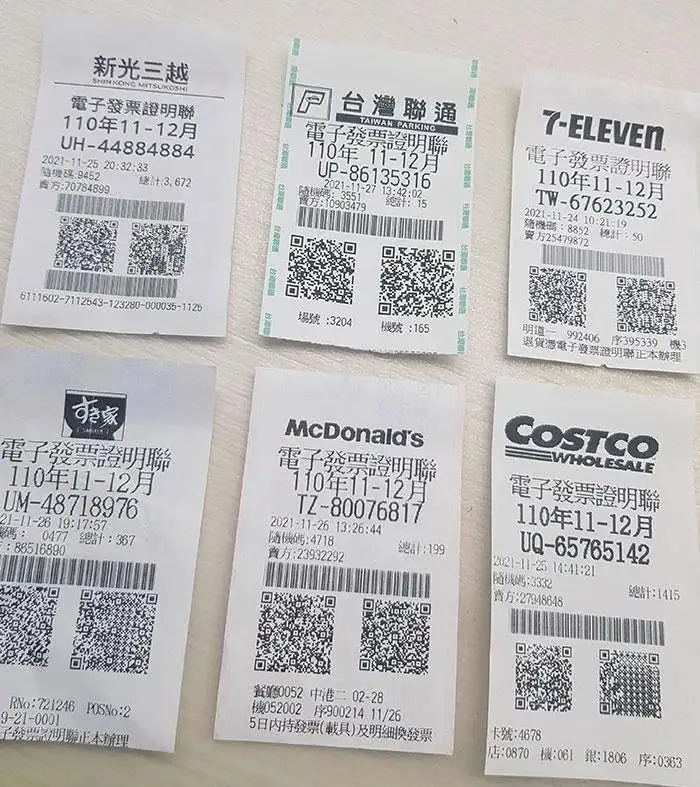
Taiwan tackled tax evasion in its cash-based economy by introducing a receipt lottery in 1951, a low-cost initiative that encouraged consumers to demand receipts and improved tax compliance. The system has since been adopted in several other countries.
The programme was introduced by finance chief Ren Xianqun to address underreported cash transactions at small businesses, where merchants could avoid taxes by not issuing receipts. Rather than relying on a larger audit workforce, the government changed consumer incentives by linking receipts to a nationwide lottery.