
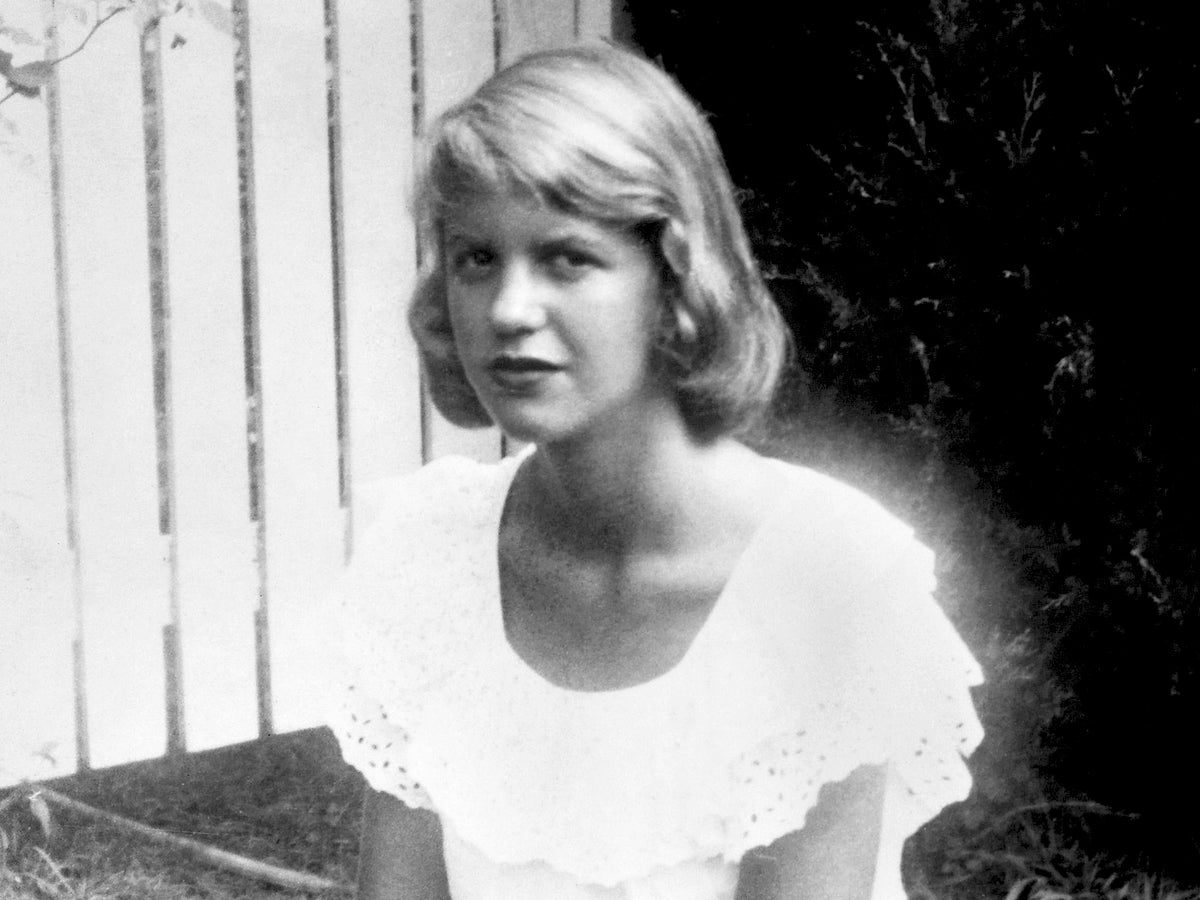
Did Sylvia Plath predict it all? That’s what we’d like to think. In her work, we’re always looking for prophecies about her life – and when I say her life, I mostly mean her death. In her poem “Lady Lazarus”, she imagined her corpse, surrounded by a grubby spectacle. “The peanut-crunching crowd / Shoves in to see / Them unwrap me hand and foot–– / The big strip tease.” Portentous as it sounds, it’s really a poem about rebirth, laced with irony. And yet we’re still fixated on her suicide at the age of 30 in 1963, and the search for signifiers goes on. She is, as Heather Clark wrote in her biography Red Comet, “a paradoxical symbol of female power and helplessness … caught in the limbo between icon and cliché”.
But how do we fix this? Perhaps this week – 90 years since she was born – holds the key, since it’s far more powerful to reflect upon a creative force coming into the world, blazing so fiercely that we still feel the scorch marks, than prematurely leaving it in such pain. Plath didn’t let herself think lazily, and nor should we. Why can’t we challenge ourselves to wrestle with what she created while she was alive, rather than play her death on a loop? As a writer, she was carving out new ways to describe the human experience, but we want to trap her in the same moment forever.













