
There’s a growing disconnect in Silicon Valley between the corner office and the cubicles.
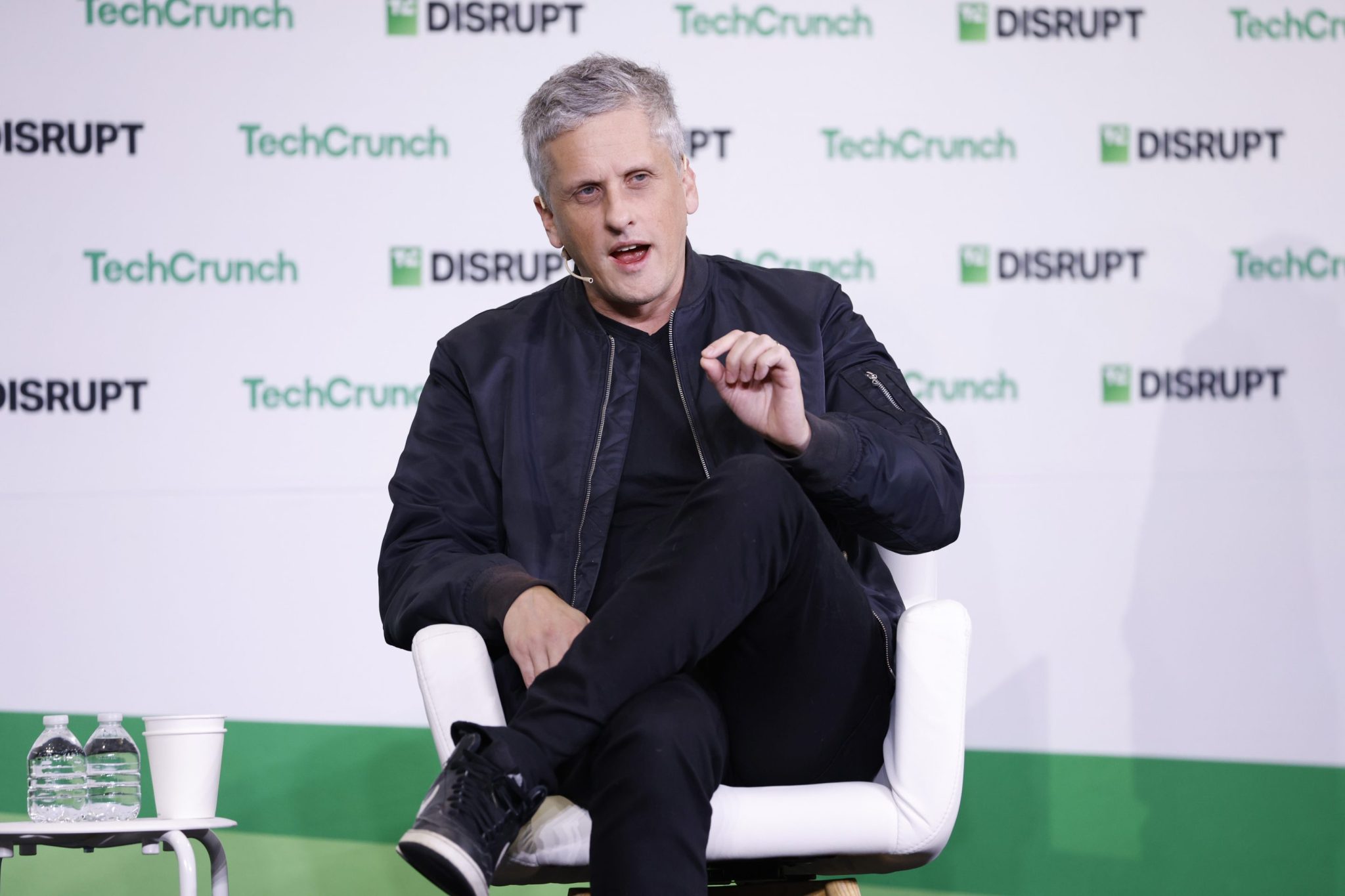
In a recent post on X, Aaron Levie, CEO of content management platform Box, said the quiet part out loud about how his peers in the tech world fail to grasp the full scale of AI work.

“CEOs are uniquely prone to AI psychosis because they’re sufficiently distant from the last mile of work that still has to happen to generate most value with AI,” Levie wrote on X.
He added: “So when they play with AI, they see the happy path results, often not considering the next 10 or 20 things that have to happen to get sustainable results from agents.”
In other words, CEOs see only the best in the tech, far removed from the bugs, hallucinations, and other snafus workers who are doing the grunt work encounter daily.
That observation mirrors what’s showing up in the data. A 2025 survey from AI firm Rev found heavy AI users run into three times the number of hallucinations and spend nearly 10 times longer getting answers. Those are the employees “tokenmaxxing,” or maximizing the number of AI tokens they burn through. That’s a side of the tech some CEOs simply fail to grasp as they plan to lay off thousands of workers to replace with AI.
And the ROI projection is even murkier. A recent Gartner study of 350 global executives with an annual revenue of at least $1 billion found that while 80% of those who had piloted an AI or autonomous technology reported workforce reductions, the businesses cut jobs regardless of whether the technology was actually generating returns. In other words, AI-related layoffs may be more for show than impact. Many business leaders like OpenAI CEO Sam Altman argue companies are AI washing, or using the technology as an apt justification for layoffs when in reality, they’re enacted due to another underlying budgetary malady.
The token tab is rising
Levie offers an example as to how this AI dilemma plays out in the workplace.
“‘Look I generated a contract,’” he said an employee may proclaim. He continues: “But you didn’t verify all the terms before it goes out to the counterparty and didn’t have to wire up all the past contracts to work with.” There may still be a gulf between the perceived end result of a product and the work required to achieve that end.
That’s becoming a more expensive consideration because AI tabs are starting to rack up. Microsoft recently switched from Claude to GitHub Copilot CLI. Uber CTO Praveen Neppalli Naga recently told The Information the company had run through its annual 2026 AI coding tools budget in just four months. And the client of an AI consultant Axios recently spoke to said it had accidentally spent half a billion dollars after failing to put usage limits on Claude licenses for employees.
To be sure, while AI execs are still confident the tech will payoff—betting nearly $700 billion in the AI infrastructure buildout—big names like Sam Altman and Anthropic CEO Dario Amodei have retracted their previous claims on AI’s ability to replace large swaths of white-collar workers.
“I’m delighted to be wrong about this,” Altman told Commonwealth Bank of Australia CEO Matt Comyn in a recent interview about AI. “I thought there would have been more impact on entry-level white-collar jobs being eliminated by now than has actually happened.”
But tech firms are still laying off workers. Website builder Wix announced Thursday it laid off 1,000 people, or 20% of its workforce, due, in part, to AI efficiencies. Meta recently laid off 10% of its workforce as CEO Mark Zuckerberg said in a memo that “AI is the most consequential technology of our lifetimes.” Year-to-date, 49,135 layoffs were attributed to AI, according to outplacement firm Challenger, Gray & Christmas, close to the 55,000 total layoffs attributed to AI in 2025.
Levie offers some advice to CEOs on how to understand where AI’s capabilities stand today.
“Use AI a *ton,*” he wrote, “to figure out the real implications of agents in the enterprise, and come out the other side with an appreciation for both the upside and the real work that goes into them.”