Get all your news in one place.
100's of premium titles.
One app.
Start reading
The Times of India
The Times of India
World
TOI World Desk

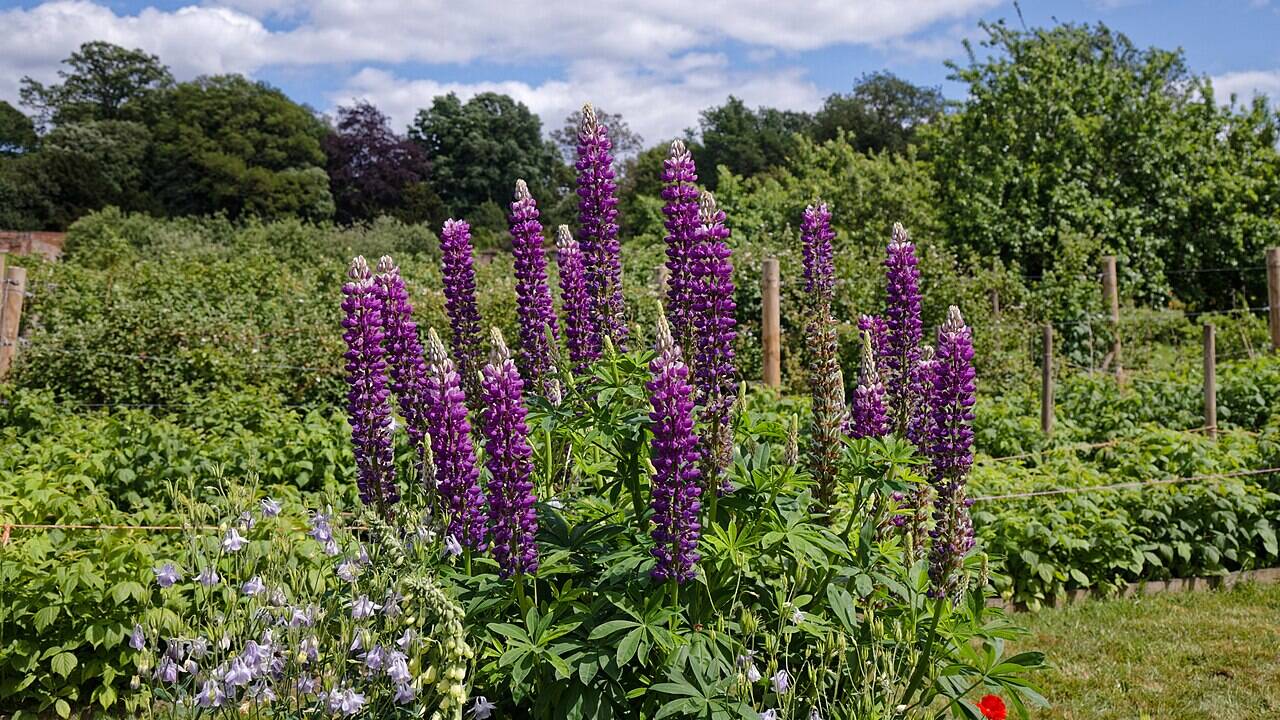
Sweden planted colourful garden lupins across roadsides and disturbed land to control erosion, but after more than 100 years, scientists say the fast-spreading flowers now dominate native meadows, leaving fewer native plants for bees, butterflies, and other pollinators

Sweden’s countryside is known for its roadside lupins. For decades, travellers driving through Scandinavia have been treated to a sight of vibrant, towering spikes of purple, pink, and blue blossoms lining the highways. These striking blooms are garden lupins, a plant introduced with specific practical purposes. A century ago, engineering and environmental planning authorities across Sweden scattered these hardy flowers along freshly cut roadsides, embankment slopes, and disturbed land. The plan was straightforward because the deep root systems of these plants served as a root network to secure loose soil, stop land degradation, and halt erosion from heavy rainfall.

Get breaking news anytime, anywhere. Download the TOI app now!

Sign up to read this article
Read news from 100's of titles, curated specifically for you.
Already a member? Sign in here
Related Stories
Top stories on inkl right now
One subscription that gives you access to news from hundreds of sites
Already a member? Sign in here
Our Picks
Fourteen days free
Download the app
One app. One membership.
100+ trusted global sources.